Most businesses that need equipment need it before their financials are ready. The excavator comes up at auction, the compressor dies in the middle of a job, the contract starts in three weeks. Meanwhile the last financial year is with the accountant and the one before that no longer reflects the business.
Low doc asset finance exists for exactly that gap. It is not a lesser product or a last resort. It is the same lending assessed on different evidence.
What low doc actually means here
Full doc means the lender assesses your business on its financial statements and tax returns.
Low doc means the lender accepts something else instead: recent business bank statements, BAS lodgements, or a declaration from your accountant that the business can service the loan. Which of those, and how many months, is set by each lender rather than by law, so it varies.
What does not change is the security. The asset itself secures the loan, which is why low doc works for equipment when it would not work for an unsecured facility. The lender's risk is covered by something it can identify, value and recover, and the interest is registered on the PPSR.
That is the clean distinction worth holding on to: our unsecured business loans take no security and are assessed on your trading. Low doc asset finance takes the asset as security and is assessed on lighter paperwork. Different products, not two names for one, and our guide to low doc versus full doc covers the choice in general terms.
What it suits
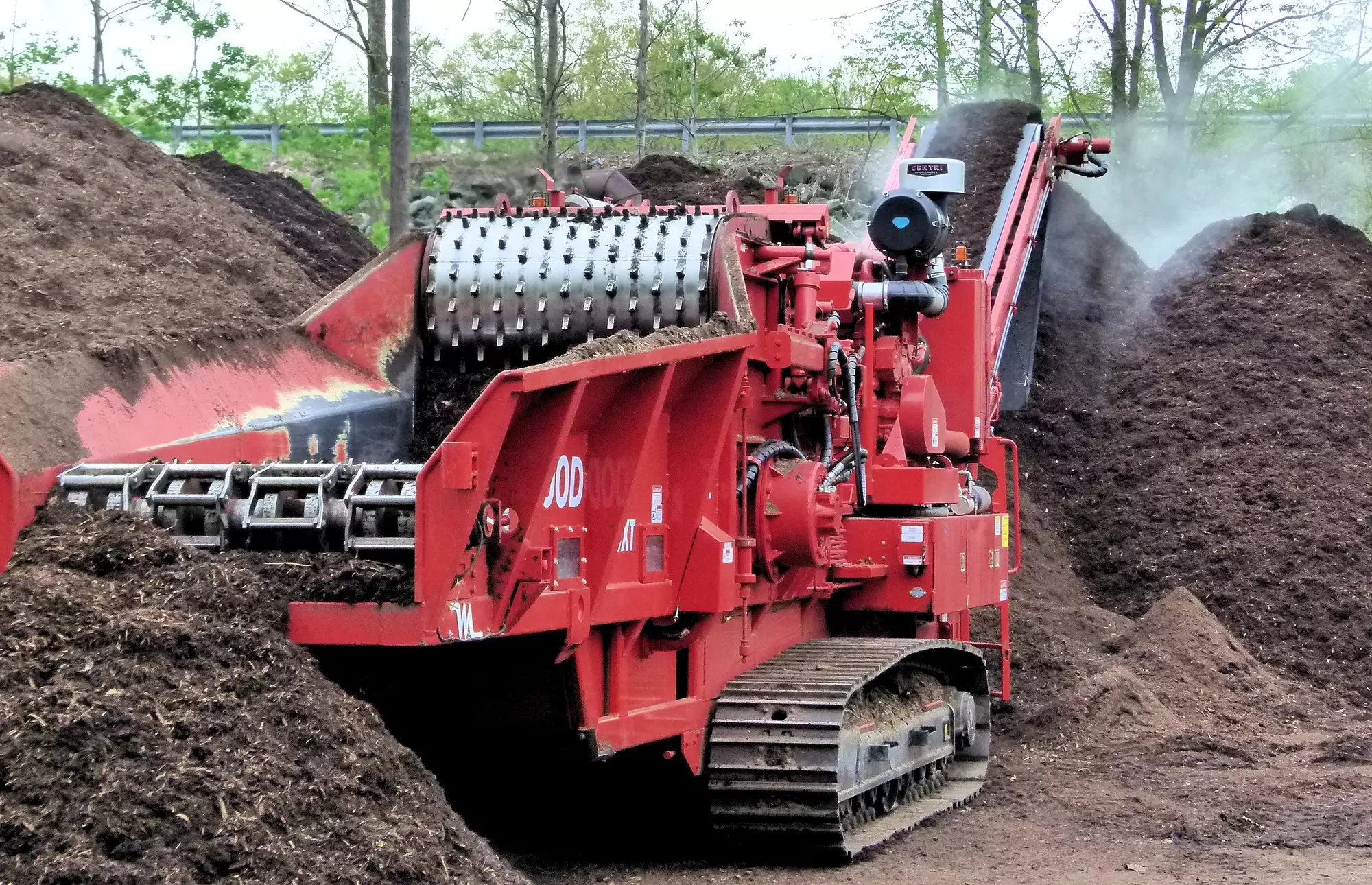
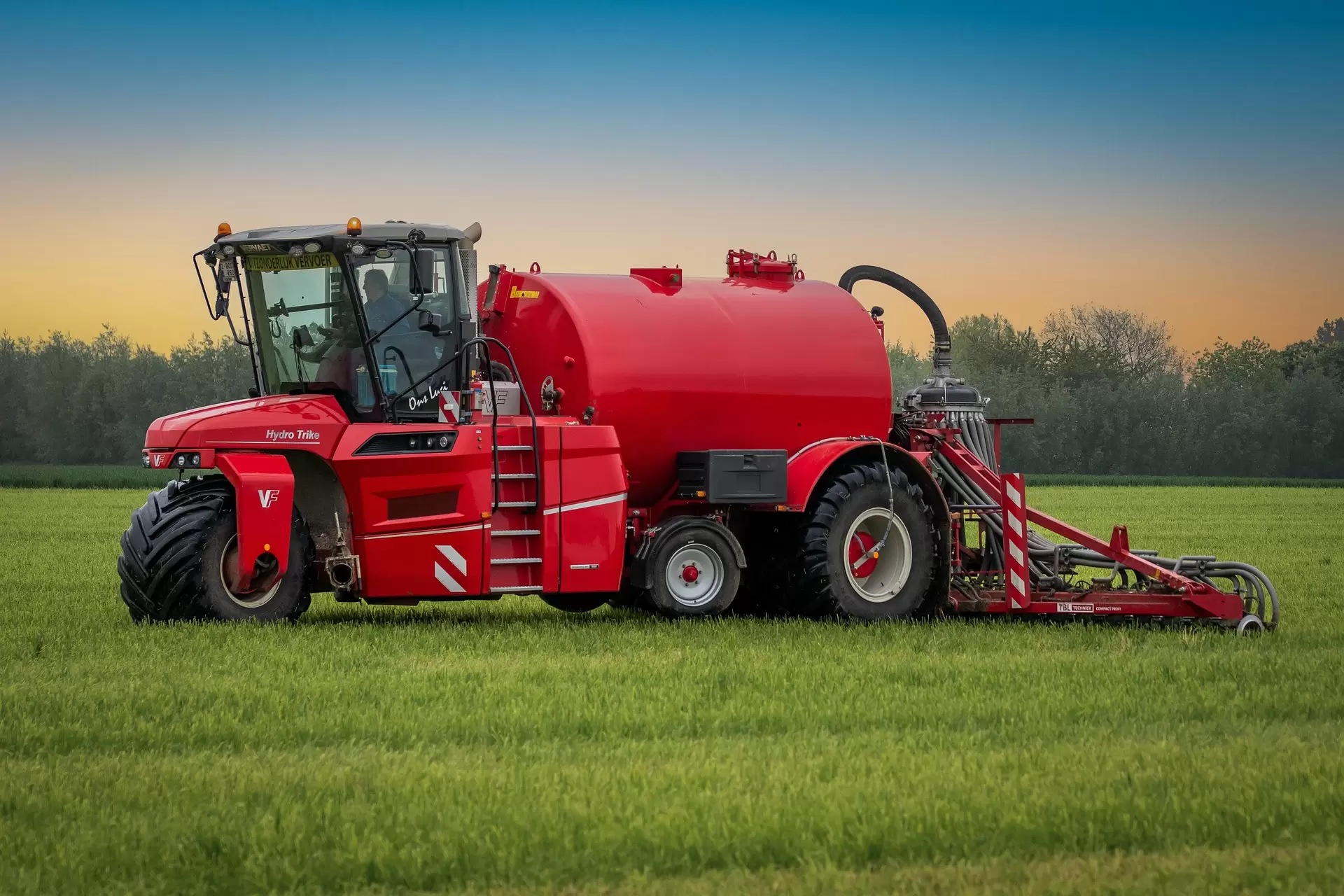
- Machinery and plant: excavators, skid steers, tractors, attachments. See excavator finance and earthmoving plant finance and farm machinery finance.
- Trade and workshop equipment: compressors, welders, hoists, generators. See also machinery finance.
- Commercial kitchen and hospitality fitouts, where the equipment is identifiable and resaleable: see hospitality and retail fitout finance.
- Trucks and trailers, covered in more depth at truck finance.
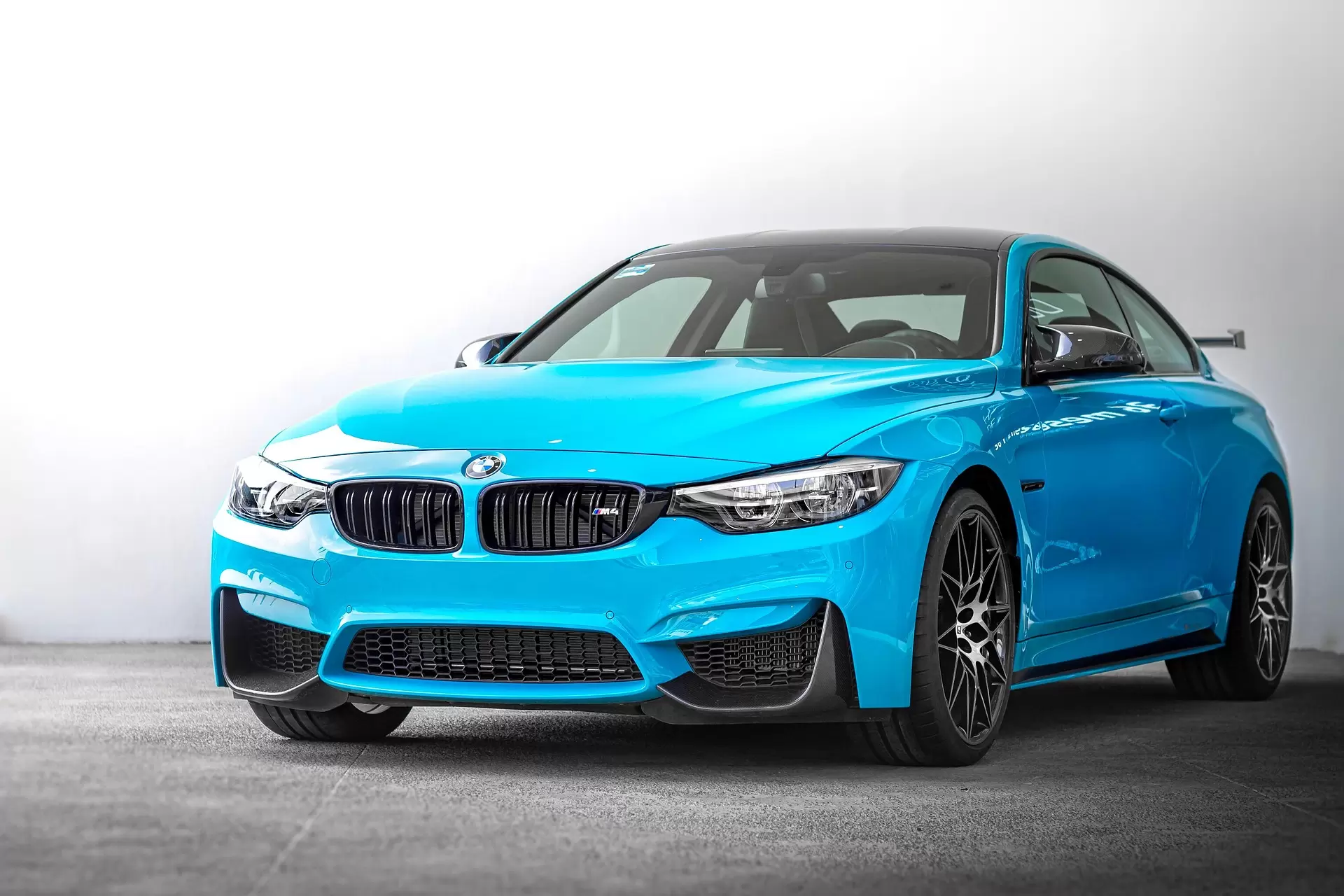
- Business vehicles, which have their own path: see low doc car loans for the self-employed.
What it suits less: anything that is not readily identifiable or resaleable. Heavily customised equipment, fitouts that become part of a building, and software are all harder, because if the lender cannot recover and sell it, the security argument weakens.
What you give up
This is the part worth being straight about, because the easier paperwork is not free.
You will generally pay more than on a full doc approval. The lender is pricing for having less information. How much more depends on the asset, the deposit and your trading history.
A deposit is more likely to be asked for, particularly on older assets or a newer business.
The asset matters more. Age, hours, type and resaleability carry more weight when there are fewer financials to look at. A five-year-old machine from a mainstream brand is a different conversation from a twenty-year-old import.
Not every lender offers it, and those that do set their own evidence rules, which is where most of the work sits.
When full doc is worth the wait
If your financials are nearly ready, the business has a strong recent year, and the purchase can wait a few weeks, full doc will usually cost less over the term. The honest question is what the delay costs you: a machine that earns while it sits idle in someone else's yard is not a saving.
Where the asset is urgent and the financials are months away, low doc is the right tool. Where it is a planned purchase and the paperwork is close, waiting often wins.
Structure and tax
Most business equipment is financed on a chattel mortgage: the business owns the asset from day one and the lender holds security over it. That ownership is what allows depreciation and, where registered for GST, the GST credit on the purchase, subject to how the asset is used. Our guide to the instant asset write-off covers the deduction side, and thresholds change, so confirm the current position with your accountant before you rely on it.
How the business is structured decides who borrows and who signs: see how your business structure affects finance.
What to have ready
- Recent business bank statements, usually several months
- BAS lodgements, or an accountant's declaration if your lender works that way
- ABN and GST registration details
- The invoice or quote for the asset, including the serial or VIN where there is one
- Details of existing commitments, because serviceability is what is left over
Our guide to business loan requirements sets out the wider list and the order lenders work through it.
Where a broker fits
Low doc is the part of asset finance where lender policy varies most: what evidence counts, how old an asset can be, how long you need to have been trading. Being matched to a lender whose rules fit your situation, before an application is lodged, is what avoids a decline on your credit file. Our low doc business loans page sets out what we arrange, and equipment finance covers the full doc path.
This article is general information only and is not financial, tax or legal advice. Lender criteria vary and change, and tax treatment depends on your circumstances. Confirm with your accountant or registered tax agent.
Damo Treadgold is the director of Treadgold Finance, an FBAA-accredited finance broker on the Sunshine Coast, arranging business, equipment, vehicle and personal finance Australia-wide.
Frequently Asked Questions
What is low doc equipment finance?
Finance for business equipment assessed on lighter paperwork than full financial statements, typically recent bank statements, BAS lodgements or an accountant's declaration. The equipment itself secures the loan.
Is it the same as an unsecured business loan?
No. An unsecured business loan takes no security and is assessed on your trading. Low doc asset finance takes the asset as security and is assessed on lighter paperwork. They suit different purchases.
Does low doc cost more?
Generally yes, because the lender is pricing for having less information. The difference depends on the asset, any deposit and your trading history. If your financials are nearly ready and the purchase can wait, full doc usually costs less over the term.
What equipment can be financed this way?
Machinery and plant, trade and workshop equipment, commercial kitchen equipment, trucks and trailers. It works best where the asset is identifiable and resaleable, and is harder for heavily customised items, building fitouts and software.
Will I need a deposit?
More often than on a full doc approval, particularly for older assets or a newer business. It is not universal and depends on the lender and the asset.
Can I still claim depreciation and GST credits?
Under a chattel mortgage the business owns the asset from the outset, which is what allows depreciation and, where registered for GST, the GST credit, subject to how the asset is used. Confirm your position with your accountant.