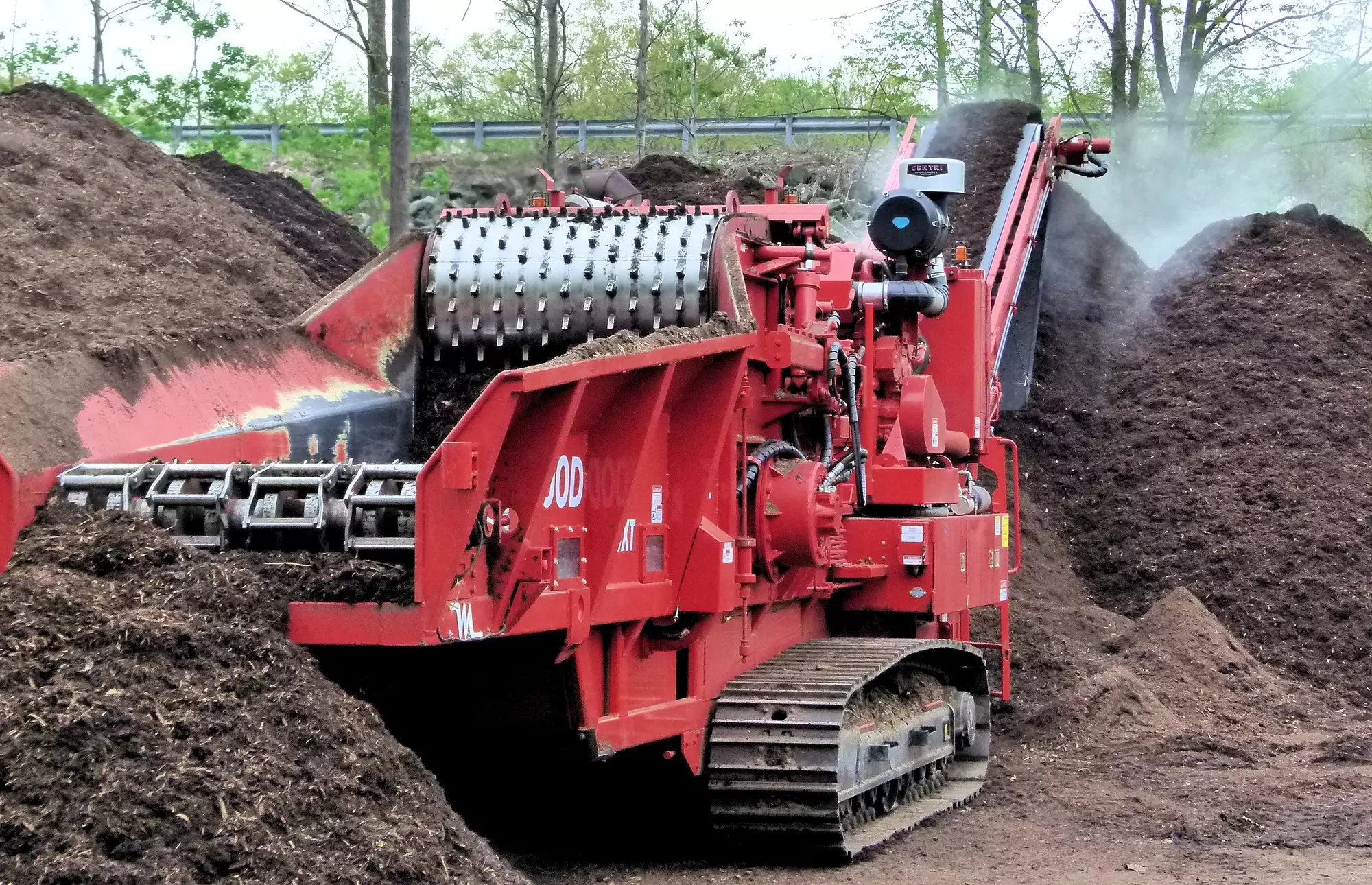
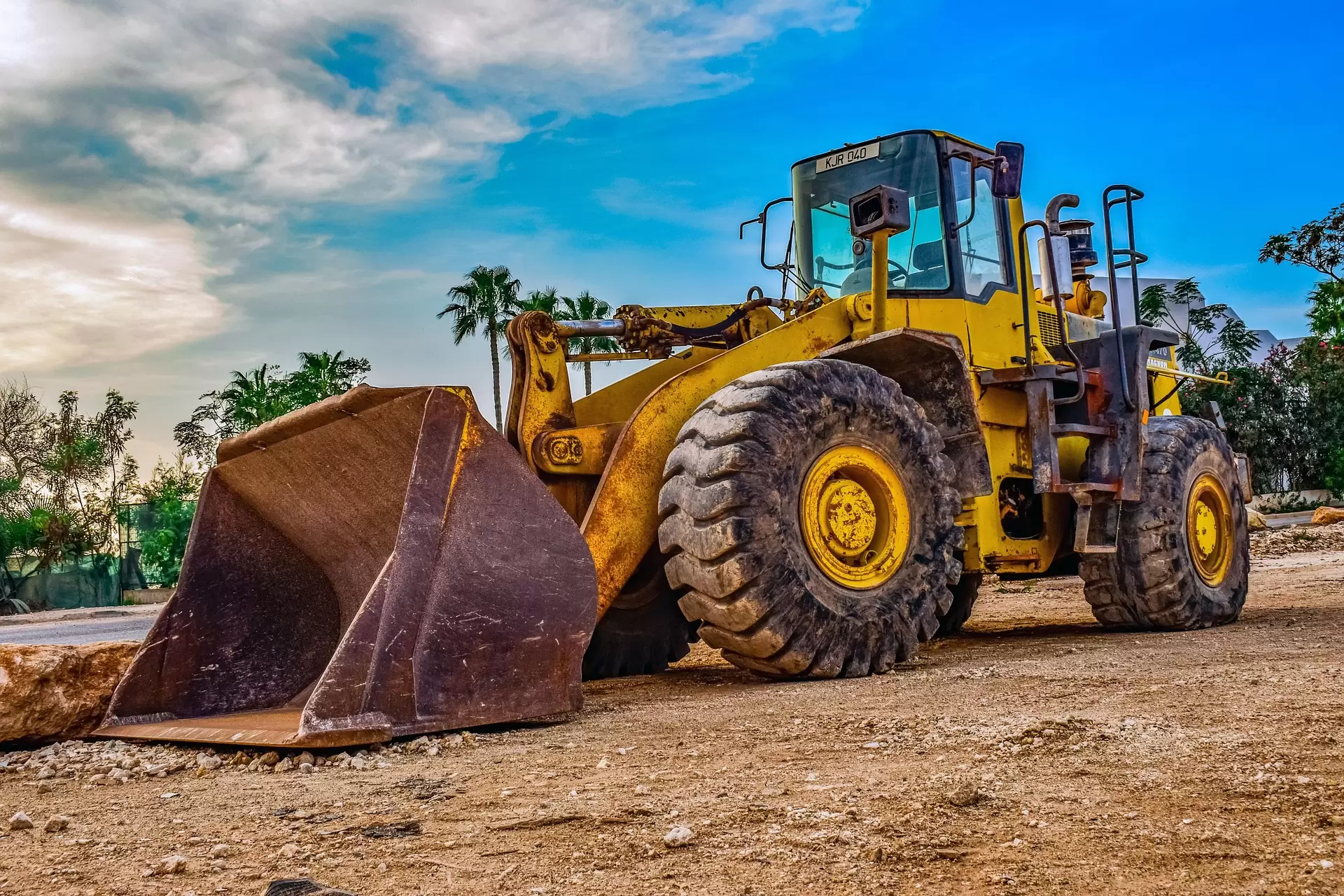
Civil and construction businesses carry a particular tension: the machines cost a fortune, and the money comes in on progress claims weeks after the work is done. Financing plant is how most operators bridge that, turning a single large outlay into payments the jobs can carry. Here’s how finance works for earthmoving, plant and construction equipment in Australia, and the details specific to yellow goods rather than machinery generally.
What gets financed
The category commonly called yellow goods covers most of it:
- Earthmoving: excavators, loaders, dozers, graders, scrapers, skid steers
- Compaction and roadworks: rollers, pavers, profilers
- Lifting and access: telehandlers, elevated work platforms, cranes
- Site support: dumpers, water carts, generators, light towers, site huts
- Concrete and materials: agitators, pumps, crushers, screening plant
- Trucks and floats that move the gear between sites, covered on our truck loans page
Our equipment finance page covers the wider category, and machinery finance covers industrial and manufacturing machinery.
Attachments are financeable too
A point that surprises people: buckets, hammers, augers, grabs, tilt hitches and other attachments can usually be financed, either bundled into the finance for the machine they go on or funded separately. Attachments are often what makes a machine profitable on a particular job, and they add up quickly. If you’re buying a machine and the attachments together, say so at the start, because bundling them into one facility is generally simpler than going back for a second approval a month later.
Getting paid on progress claims
The cash flow shape of civil work is the reason structure matters here. You mobilise, you work, you claim, and you wait. Finance for the machine has to sit comfortably inside that cycle, not fight it.
Two things follow. First, the term matters as much as the rate: a payment that suits a busy quarter can hurt in a quiet one, and stretching the term to keep payments comfortable usually beats a shorter term you have to fund out of reserves. Second, if the underlying problem is the gap between doing the work and being paid for it, equipment finance is the wrong tool for that part; working capital is a separate conversation, and our business loans page covers it.
Ready to get started?
Book a chat with an Asset Finance Broker at Treadgold Finance today.
Hours, age and condition
Yellow goods are valued on hours as much as years. A ten-year-old excavator with low hours and a full service history can be an easier proposition than a five-year-old machine that has been flogged. What lenders look at:
- Hours, and whether they’re consistent with the age
- Service history, documented
- Brand and model, because a deep local parts and resale market reduces the lender’s risk
- Condition and any recent major work, undercarriage especially
Older machines usually attract a shorter maximum term rather than a refusal, since the finance is expected to run out before the machine’s working life does.
Buying at auction, from a dealer, or privately
Auctions move a great deal of plant, and they punish the unprepared: you bid without knowing the final price and settlement is quick. Pre-approval before the sale is what makes it workable, so you know your ceiling and the funds can settle inside the auction house’s terms.
Dealers are the simplest path, with a clear title, an invoice and often warranty or a service package.
Private sales need a check of the Personal Property Securities Register against the machine’s serial number to confirm nothing is owing. The register covers plant, not just vehicles, and you can search it at ppsr.gov.au. Any existing finance is paid out at settlement and the interest released.
Hire-to-buy and ex-rental machines are common in this category. If you’ve been hiring a machine and want to own it, that purchase can generally be financed like any other; just be clear on what the hire payments have and haven’t contributed toward the price.
The structures used
Chattel mortgage is the usual choice for a business buying plant to keep: you own the machine from day one, the lender registers a security interest. See chattel mortgages explained.
Finance lease or hire purchase where ownership timing or tax treatment suits better; see finance lease versus hire purchase.
Rental or operating lease where the machine is for a defined project, or where you expect to swap it out before it ages.
The choice affects ownership, the treatment of payments and what happens at the end, so settle it with your accountant before the finance is written.
What lenders assess
- The business: time trading, ABN and GST registration, and the type of work you do
- Serviceability, from financials, BAS or bank statements
- The machine as security: hours, age, condition, brand, resale market
- Credit history, with directors’ guarantees standard on commercial lending
- Contract or work pipeline in some cases, particularly for a first large machine
- Any deposit or trade-in
Contractors and newer businesses often can’t produce full current financials. Low doc business loans are assessed on bank statements, BAS or an accountant’s declaration instead, and who qualifies for a low doc business loan sets out the criteria. If you’re a sole trader or you run through a company or trust, how your business structure affects finance covers who borrows and who signs.
The tax side
Plant bought for business use generally attracts deductions for depreciation and for the interest component of the finance, and in some years an immediate write-off applies to eligible assets under a threshold, tested against the asset’s total cost rather than the business-use share. We’ve explained the mechanism in how the instant asset write-off works. The rules change; confirm what applies with your accountant before timing a purchase around it.
Where a broker fits
Plant lending is where lender appetite diverges most: on machine age, on hours, on auction and ex-rental purchases, on how a civil contractor’s income is read, and on whether a young business with a solid contract can be approved for its first big machine. Matching the deal to a lender that wants that profile is the work. Our equipment finance page sets out what we arrange, Australia-wide, and asset finance explained covers how the category fits together.
This article is general information only and is not financial, tax or legal advice. Lender criteria vary and change; confirm the tax treatment of any purchase with your accountant.
Damo Treadgold is the director of Treadgold Finance, an FBAA-accredited finance broker on the Sunshine Coast, arranging equipment, machinery, vehicle and business finance Australia-wide.
Frequently Asked Questions
What is plant and equipment finance?
Finance secured against the machine itself, used for earthmoving, construction and civil plant. It’s usually structured as a chattel mortgage, finance lease, hire purchase or rental.
Can attachments be financed?
Usually yes. Buckets, hammers, augers, grabs and hitches can be bundled into the finance for the machine or funded separately. Mention them at the start so it’s one approval rather than two.
Does the machine’s hours matter more than its age?
Both matter, and hours often matter more. A high-hour machine with a thin service history is harder to finance than an older machine with low hours and documented servicing.
Can I finance plant bought at auction?
Yes, with pre-approval arranged beforehand. Auctions settle quickly and you bid without knowing the final price, so knowing your ceiling in advance is what makes it work.
Can I buy out a machine I’ve been hiring?
Generally yes, and it can be financed like any other purchase. Be clear on what your hire payments have contributed toward the price before you agree a figure.
Can I get plant finance without full financials?
Often yes, through low doc business lending assessed on bank statements, BAS or an accountant’s declaration. Criteria vary by lender, and a contract or work pipeline can help support a first large machine.