Machinery is usually the largest single purchase a business makes after property, and it’s rarely bought outright. Financing it keeps working capital where it belongs and matches the cost of the machine to the years it earns. This guide covers how machinery finance works in Australia, the structures available, what lenders look at, and the specific things that catch people out when the machine is second-hand.
What machinery finance covers
Machinery finance is a form of asset finance where the machine itself is the lender’s security. It’s used across:
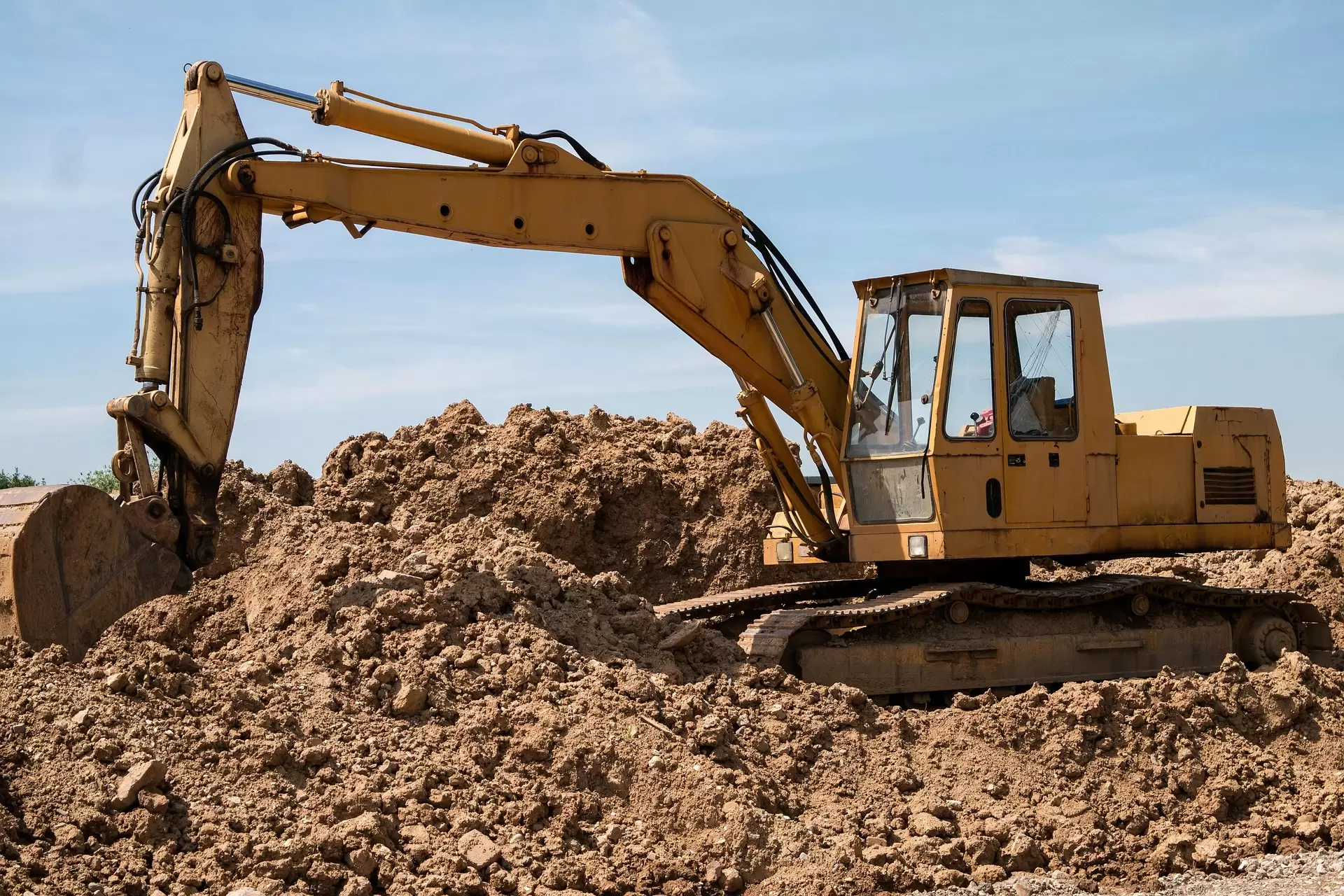
- Heavy and earthmoving machinery: excavators, loaders, dozers, graders, rollers
- Plant and construction machinery: telehandlers, elevated work platforms, compactors, concrete plant
- Manufacturing and industrial machinery: CNC machines, presses, conveyors, packaging lines
- Materials handling: forklifts, reach trucks, scissor lifts
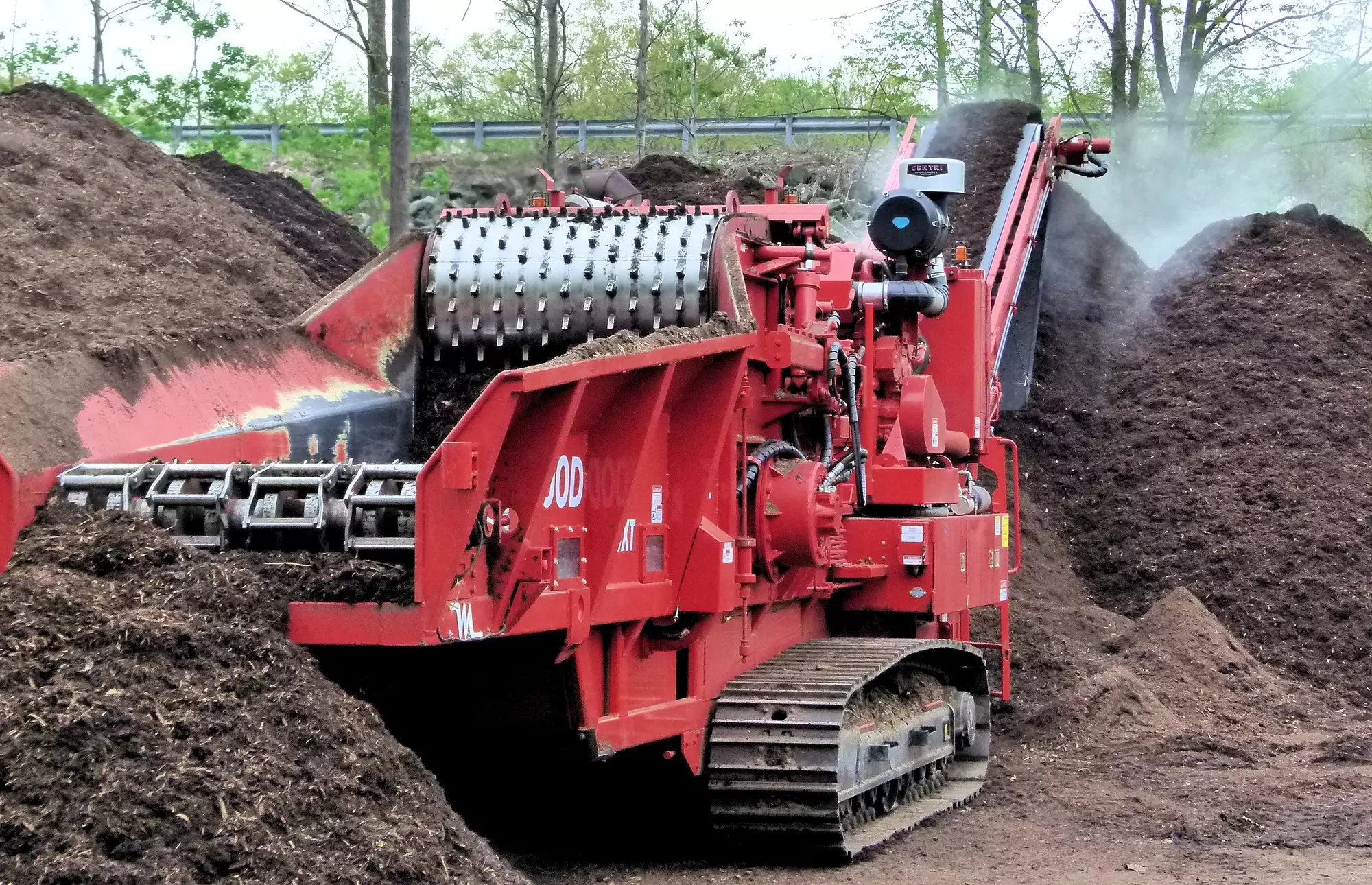
- Processing and workshop machinery: saws, lathes, crushers, screening plant
If the machine has a serial number, a resale market and a working life of several years, it can generally be financed. Our equipment finance page sets out what we arrange across the whole category.
The structures used
Most machinery is financed one of four ways, and the right one depends on ownership, cash flow and how your accountant treats it.
Chattel mortgage. You own the machine from the start and the lender registers a security interest over it. The most common structure for machinery bought by a business, and usually the one chosen where the business wants the asset on its own books. Our guide to chattel mortgages explains it properly.
Finance lease. The lender owns the machine and leases it to you for the term, with an agreed residual at the end.
Hire purchase. You hire the machine and ownership transfers once the final payment is made. Our guide to finance lease versus hire purchase sets out the difference and why the tax treatment differs.
Rental or operating lease. Useful where the machine will be superseded quickly, or where it’s needed for a defined project rather than the long term.
The structure affects who owns the asset, how the payments are treated, and what happens at the end, so it’s worth deciding it with your accountant before the finance is arranged, not after.
Ready to get started?
Book a chat with an Asset Finance Broker at Treadgold Finance today.
New versus used machinery
Machinery holds its value differently from vehicles, and good used machines are financed every day. What changes with age is the lender’s appetite:
- Newer machines attract the widest lender choice and the longest terms.
- Used machines are financed on their age, hours, condition and resale market. A well-known brand with a deep second-hand market is easier to finance than a rare import with no local parts support.
- Older machines may come with a shorter maximum term, because lenders generally want the finance to run out before the machine’s useful life does. That’s the practical constraint most buyers meet: not whether it can be financed, but over how long.
Hours matter as much as age on a lot of machinery, and a machine with a documented service history is a materially easier proposition than one without.
Where you’re buying from
Dealer purchases are the simplest: an invoice, a clear title, and often a warranty.
Private sales need the same care as any private asset purchase. The lender will want to verify the seller owns the machine and that nothing is owing on it, which means a check of the Personal Property Securities Register against the machine’s serial number. The register covers plant and machinery as well as vehicles, and you can search it at ppsr.gov.au. If finance is owing, it’s paid out at settlement and the interest released.
Auctions are common for machinery and come with their own timing problem: you generally need to settle quickly, and you’re bidding without knowing the final price. Pre-approval before the auction is what makes it workable, so you know your limit and the funds can settle inside the auction house’s terms.
Imports add complexity: compliance, delivery timing, and payment before the machine lands. Not all lenders will fund an import, and those that do have conditions.
What lenders assess
For a machinery purchase, lenders look at:
- The business: time trading, ABN and GST registration, industry, and whether the machine fits what you do.
- Serviceability: whether the repayments fit alongside existing commitments, usually from financials, BAS or bank statements.
- The machine as security: age, hours, condition, brand and resale market.
- Credit history, business and personal, since directors’ guarantees are standard on commercial lending.
- Your contribution, if any. A deposit or a trade-in reduces the lender’s exposure and can widen the options.
Businesses that can’t produce full financials aren’t shut out: low doc business loans exist for exactly this, assessed on bank statements, BAS or an accountant’s declaration instead. Our guide to who qualifies for a low doc business loan covers the criteria, and how your business structure affects finance explains who borrows and who signs depending on whether you trade as a sole trader, company or trust.
The tax side
Machinery bought for business use generally attracts deductions for depreciation and for the interest component of the finance, and there are years where an immediate write-off applies to eligible assets under the threshold. The rules change, and the threshold is tested against the machine’s total cost rather than the business-use portion, which catches people on larger purchases. We’ve explained the mechanism in how the instant asset write-off works. Confirm the current position with your accountant before you time a purchase around it.
How the process runs
- Work out the structure with your accountant: chattel mortgage, lease, hire purchase or rental.
- Get pre-approved, especially if you’re buying at auction or need to move quickly.
- Identify the machine: make, model, year, hours, serial number, and the seller’s details.
- Verification: the lender checks the machine and, on a private sale, the register and the seller’s title.
- Settlement: the lender pays the seller directly, any existing finance on the machine is paid out, and the security interest is registered.
Where a broker fits
Machinery lending is a specialist corner of the market. Lenders differ sharply on the age of machine they’ll take as security, whether they’ll fund a private sale, an auction purchase or an import, and how they assess a business that can’t produce full financials. Matching the purchase to a lender that wants it is most of the work, and it’s the difference between a decline and a settled deal on the same machine. Our equipment finance and business loans pages set out what we arrange, Australia-wide.
This article is general information only and is not financial, tax or legal advice. Lender criteria vary and change; confirm the tax treatment of any purchase with your accountant.
Damo Treadgold is the director of Treadgold Finance, an FBAA-accredited finance broker on the Sunshine Coast, arranging equipment, machinery, vehicle and business finance Australia-wide.
Frequently Asked Questions
What is machinery finance?
A form of asset finance where the machine is the lender’s security. It’s used for heavy, plant, industrial and materials-handling machinery, structured as a chattel mortgage, finance lease, hire purchase or rental.
Can you finance used machinery?
Yes. Used machinery is financed every day. Lenders assess age, hours, condition, brand and resale market, and an older machine usually comes with a shorter maximum term rather than a refusal.
Can I finance machinery bought at auction?
Yes, but get pre-approved first. Auctions require quick settlement and you’re bidding without knowing the final price, so knowing your limit and having funds ready is what makes it work.
What do lenders look at for machinery finance?
Time trading, ABN and GST registration, serviceability from financials or bank statements, the machine itself as security, credit history including directors’ guarantees, and any deposit or trade-in.
Can I get machinery finance without full financials?
Often yes, through low doc business lending assessed on bank statements, BAS or an accountant’s declaration. Criteria vary by lender.
Do I need to check the register before buying machinery privately?
Yes. The Personal Property Securities Register covers plant and machinery as well as vehicles. Search by serial number to confirm nothing is owing, and have any existing finance paid out at settlement.