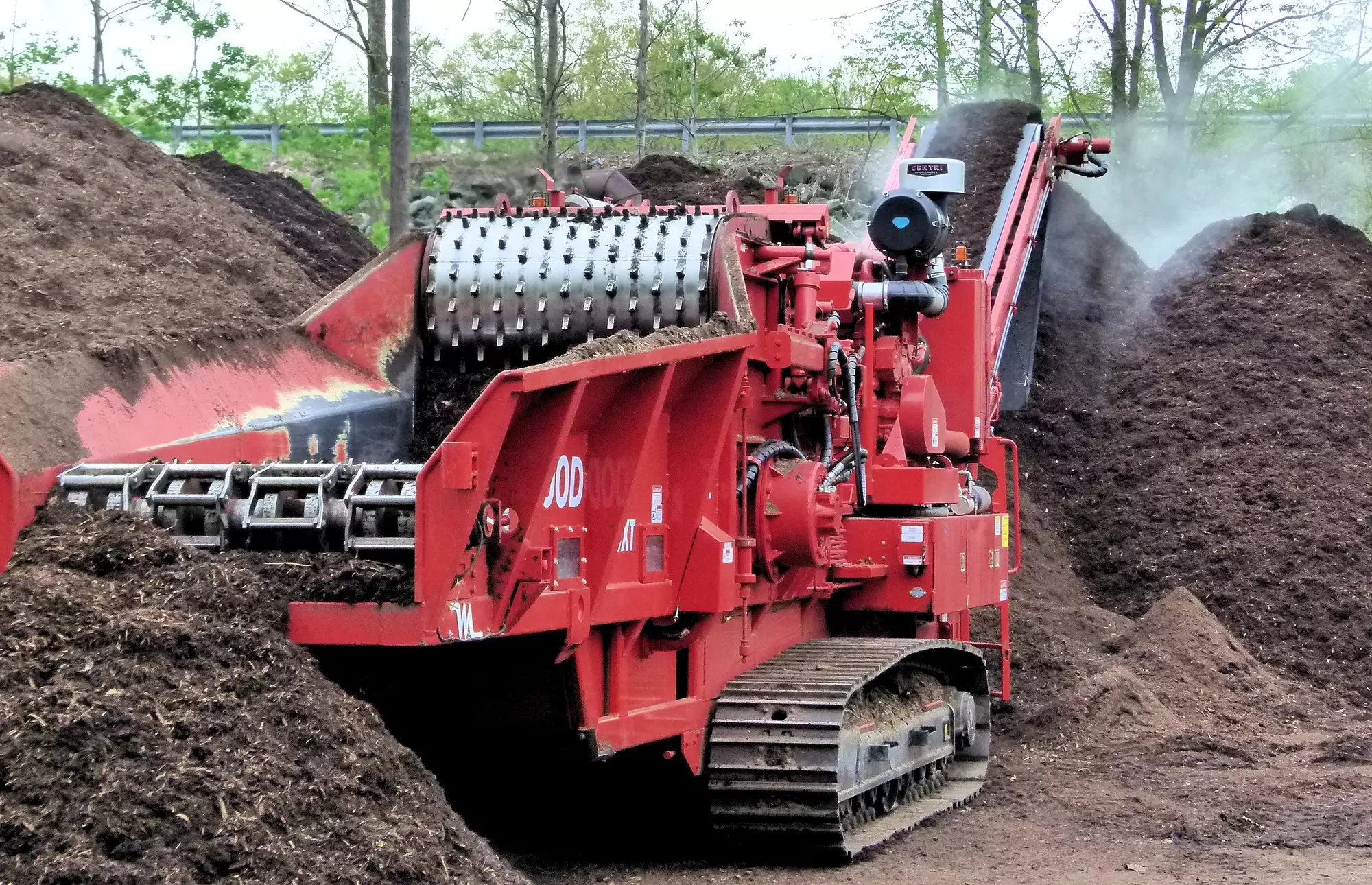
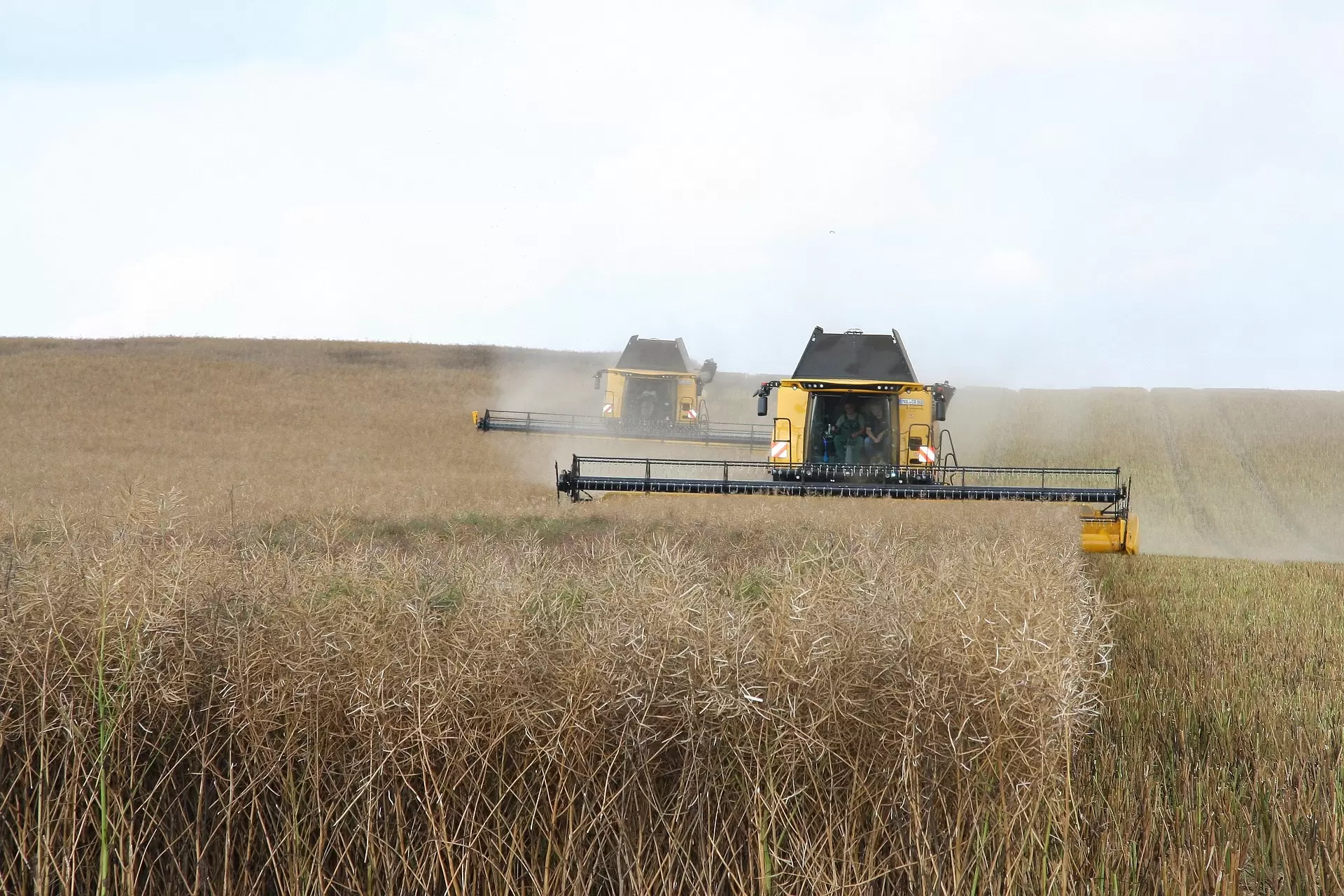
Farming is capital-heavy and seasonal, which is an awkward combination: the machinery costs a great deal and the income arrives in lumps. Farm equipment finance exists to smooth that out, spreading the cost of a machine across the seasons it works rather than draining the account in one go. Here’s how it works in Australia, what lenders assess, and the parts that are specific to agriculture rather than generic equipment lending.
What can be financed
Most machinery and equipment used in primary production can be financed on the asset itself:
- Tractors of all sizes, and the implements that go behind them
- Harvesting machinery: headers, chaser bins, forage harvesters
- Seeding, tillage and spraying: air seeders, planters, boom sprays, spreaders
- Haymaking: balers, mowers, rakes
- Materials handling: telehandlers, loaders, augers
- Irrigation: pivots, pumps, pipe
- Infrastructure and storage: silos, grain handling, sheds where they qualify as plant
- Farm vehicles: utes, trucks and trailers used in the operation
If it has a serial number, a working life of years and a resale market, it can generally be financed. Our equipment finance page covers the wider category, and machinery finance covers heavy and industrial machinery generally.
Seasonal and structured repayments
This is the part that separates good agricultural lending from ordinary equipment lending. Farm income doesn’t arrive monthly, so some lenders will structure repayments to match the way the farm earns: annual or seasonal payments timed to harvest or sale, rather than the same amount every month regardless of the season.
Not every lender offers it, and the ones that do apply their own conditions, so it’s worth knowing before you apply rather than discovering afterwards that the only offer on the table assumes an even income. Where it’s available, it’s often the difference between a facility that fits the operation and one that fights it every winter.
Ready to get started?
Book a chat with an Asset Finance Broker at Treadgold Finance today.
Buying used, and buying at clearing sales
Good used farm machinery is financed constantly. Lenders assess it on age, hours, condition, brand and resale market, and the practical effect of an older machine is usually a shorter maximum term rather than a refusal, because the finance is expected to run out before the machine’s working life does.
Clearing sales and auctions are how a lot of farm gear changes hands, and they create a timing problem: you bid without knowing the final price and you settle quickly. The answer is pre-approval, so you know your ceiling before the auctioneer starts and the funds can settle inside the terms. Turning up without it is how buyers miss machines.
Private and neighbour-to-neighbour sales are equally common and need the same check as any private purchase: search the Personal Property Securities Register against the machine’s serial number to confirm nothing is owing on it. The register covers plant and machinery, not just vehicles. Search at ppsr.gov.au before you pay. If there is finance owing, it’s paid out at settlement and the interest released.
The structures used
Chattel mortgage is the most common for a farming business: you own the machine from day one and the lender registers a security interest over it. See our guide to chattel mortgages.
Finance lease and hire purchase are alternatives where ownership timing or the tax treatment suits the operation better; our guide to finance lease versus hire purchase sets out the difference.
Rental suits machinery needed for a defined period rather than the long haul.
Which one fits is a conversation with your accountant, because the structure drives how the payments and the asset are treated.
What lenders assess
- The operation: what you farm, how long you’ve been trading, ABN and GST registration.
- Serviceability, judged with the seasonality in mind. Lenders that understand agriculture read a farm’s figures differently from a lender that doesn’t.
- The machine as security: age, hours, condition, brand, resale market.
- Credit history, business and personal. Directors’ or partners’ guarantees are standard on commercial lending.
- Any contribution: a deposit or a trade-in reduces the lender’s exposure.
Farms often can’t produce neat, current financials, particularly after a hard season. That doesn’t end the conversation: low doc business loans are assessed on bank statements, BAS or an accountant’s declaration instead, and our guide to who qualifies for a low doc business loan covers the criteria. How the farm is structured also matters for who borrows and who signs, which we’ve set out in how your business structure affects finance, since a family farm run through a trust or partnership signs differently from a sole trader.
The tax side
Machinery used in primary production generally attracts deductions for depreciation and for the interest component of the finance, and primary producers have some specific concessions of their own for certain assets such as water facilities, fencing and fodder storage. There are also years where an immediate write-off applies to eligible assets under a threshold, and that threshold is tested against the asset’s total cost rather than the business-use portion. We’ve explained that mechanism in how the instant asset write-off works. The primary production rules are their own area and they change, so confirm what applies to your purchase with your accountant before timing anything around it.
What this page doesn’t cover
Financing the farm itself, the land, agribusiness overdrafts, livestock and seasonal working capital facilities, is rural lending and a different market from equipment finance. What’s covered here is the machinery and equipment side, secured against the asset. If you need working capital alongside a machinery purchase, our business loans page sets out what we arrange.
Where a broker fits
Lender appetite in agriculture varies more than in most categories: on the age of machine they’ll accept, on whether they’ll fund a clearing sale purchase, on how they read a seasonal income, and on whether they’ll structure repayments around it. Matching the purchase to a lender that actually wants it is the work. Our equipment finance page sets out what we arrange, Australia-wide, and asset finance explained covers how the whole category fits together.
This article is general information only and is not financial, tax or legal advice. Lender criteria and primary production tax rules vary and change; confirm your position with your accountant.
Damo Treadgold is the director of Treadgold Finance, an FBAA-accredited finance broker on the Sunshine Coast, arranging equipment, machinery, vehicle and business finance Australia-wide.
Frequently Asked Questions
What is farm equipment finance?
Finance secured against farm machinery and equipment, used for tractors, harvesting and seeding machinery, haymaking gear, irrigation, silos and farm vehicles. It’s usually structured as a chattel mortgage, lease or hire purchase.
Can farm machinery repayments be matched to harvest?
Some lenders offer seasonal or annual repayment structures timed to when the farm earns, rather than fixed monthly payments. Not all do, and conditions vary, so it’s worth establishing before you apply.
Can I finance used farm machinery?
Yes. Used farm machinery is financed routinely, assessed on age, hours, condition, brand and resale market. Older machines usually attract a shorter maximum term rather than a refusal.
Can I get finance for a clearing sale purchase?
Yes, but arrange pre-approval first. Clearing sales and auctions require quick settlement and you bid without knowing the final price, so knowing your limit beforehand is what makes it work.
Can I get farm equipment finance without full financials?
Often yes, through low doc business lending assessed on bank statements, BAS or an accountant’s declaration. Criteria vary by lender.
Do you finance farmland or livestock?
This is equipment and machinery finance, secured against the asset. Farmland, agribusiness overdrafts, livestock and seasonal working capital facilities are rural lending, which is a different market.