Opening a venue means buying two very different things at once: equipment that can be picked up and resold, and a fitout that is bolted to somebody else's building. Lenders treat those two things completely differently, and not knowing that is the single most common reason a new cafe, gym or salon finds its funding harder than expected. Here's how it actually works.
The split that decides everything
Equipment can be security. A combi oven, a coffee machine, gym rigs, a POS system, salon chairs, a display fridge: these have serial numbers, a second-hand market and can be recovered and resold. Lenders will lend against them.
A fitout largely cannot. Joinery, plumbing, tiling, electrical work, partitioning, shopfront glazing and signage are attached to a premises you lease. They can't be repossessed in any meaningful way and they have little resale value, so lenders generally won't take them as security.
The consequence is that a venue project is usually funded in two parts: equipment finance against the equipment, and an unsecured business loan or other facility for the fitout. Trying to push the whole project through as one equipment application is why funding stalls. Our business loans page covers the unsecured side, and equipment finance the secured side.
Get a quote that separates the two before you approach anyone for finance. It makes the whole thing straightforward.
Match the finance term to your lease
Here's the mistake that catches nearly every first-time venue operator: taking a finance term that runs longer than the lease on the premises.
If the fitout is funded over a term that outlasts your lease, you can end up paying for a fitout in a building you've left. Equipment travels with you; a fitout does not. As a rule of thumb, the fitout portion should be paid off within the certain term of your lease, not the term including options you might not exercise. Raise the lease term when you arrange the finance, because a lender that understands venues will ask anyway.
Ready to get started?
Book a chat with an Asset Finance Broker at Treadgold Finance today.
What gets financed
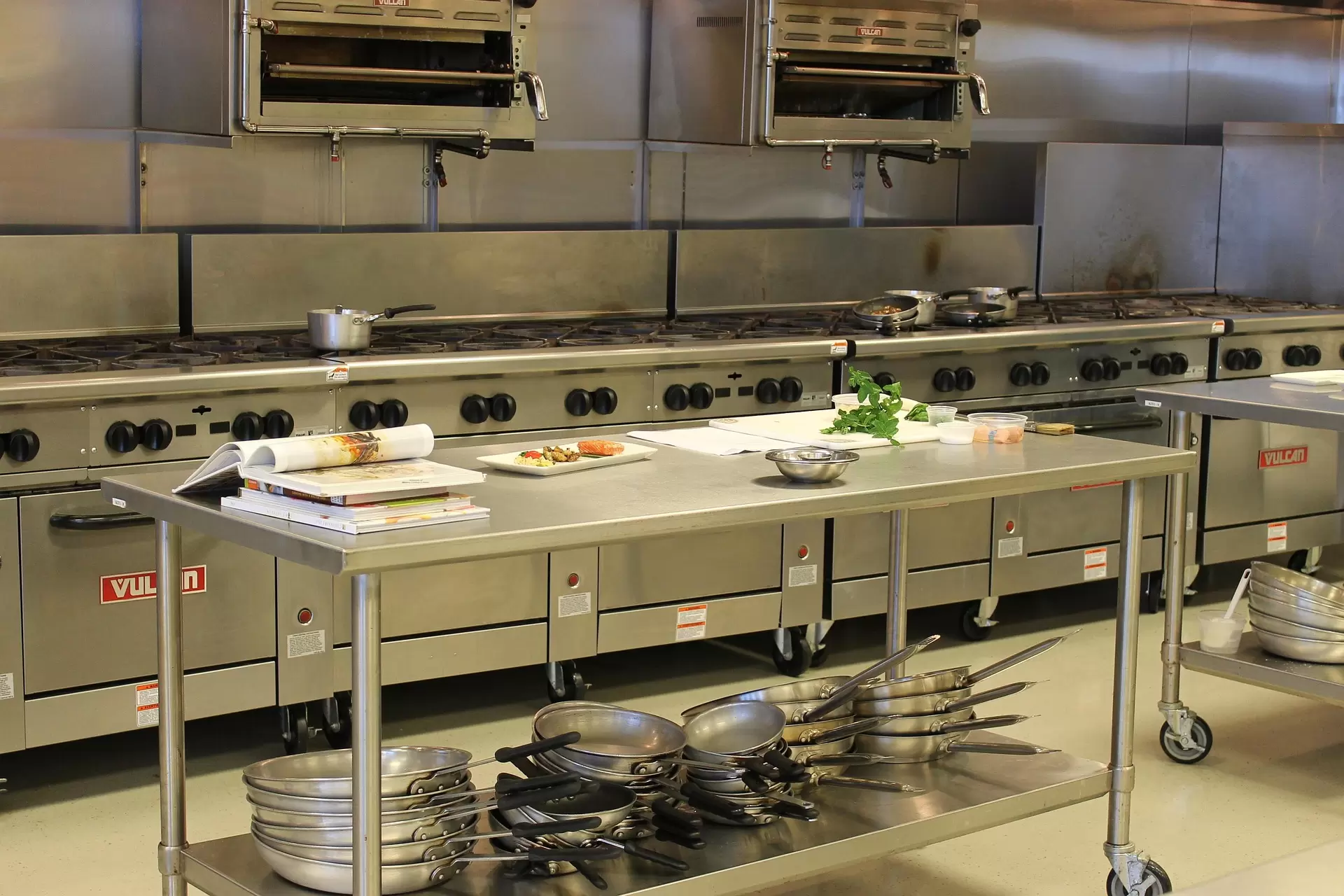
- Commercial kitchen: combi ovens, ranges, fryers, cool rooms, dishwashers, prep benches, extraction
- Cafe: espresso machines, grinders, display cabinets, blenders, POS
- Bar and restaurant: glass washers, ice machines, refrigeration, furniture
- Gyms and studios: cardio and strength equipment, rigs, free weights, flooring systems
- Salon, beauty and clinic: chairs, basins, treatment beds, sterilisation, lasers
- Retail: shelving and display, refrigeration, POS and payment systems, security
- Front counter and back office: point-of-sale terminals, booking and table-management systems, kitchen display screens
Buying a going concern
If you're buying an existing venue rather than fitting out a new one, the equipment usually comes with it. Two things to check before settlement:
The register. Search the Personal Property Securities Register against the serial numbers of the major items to confirm nothing is owing. Equipment in a venue is very often financed, and if the previous operator's finance isn't paid out, the lender's interest survives the sale. The register covers commercial equipment as well as vehicles, and you can search it at ppsr.gov.au.
What you're actually buying. Goodwill and business acquisition finance is a different product from equipment finance, and it usually needs the venue's financials. Split the purchase into its parts before arranging funding.
New businesses with no trading history
Most venues are financed at the point where there's no trading history at all, which is the hardest version of the application. What helps:
- A signed lease, which shows the project is real
- Realistic figures, ideally prepared with an accountant
- Relevant experience, documented rather than assumed
- A deposit or a contribution, which meaningfully widens the options
- A clean personal credit file, since a new business is assessed largely on the person behind it. See our guide to your credit file
- ABN and GST registered before you apply
Where full financials don't exist yet, low doc business loans are assessed on bank statements, BAS or an accountant's declaration; who qualifies for a low doc business loan sets out the criteria. How the business is structured also determines who borrows and who guarantees, which we've covered in how your business structure affects finance.
Small items, one facility
Venue equipment tends to be lots of moderate purchases rather than one large one, and several of them may individually fall below a lender's minimum finance amount. The answer is usually to fund the fit-up as one facility covering the full equipment list, rather than chasing separate agreements per item with different terms and end dates.
It also means deciding early. Adding a forgotten cool room to an approved facility usually means a fresh application.
Supplier finance versus independent finance
Equipment suppliers frequently offer finance at the point of sale, and it can be convenient and competitive. It's worth comparing rather than accepting automatically: convenience at the point of sale is not the same as the right structure for a business that's about to be cash-tight for a year. Ask what the supplier's finance costs in total over the term, then compare it against an independent quote before you sign.
The tax side
Equipment bought for the business generally attracts deductions for depreciation and for the interest component of the finance, and in some years an immediate write-off applies to eligible assets under a threshold, tested per asset against total cost. Venue equipment often sits under that threshold where larger machinery does not, so timing can matter. Fitout costs are treated differently again, commonly as capital works. We've explained the write-off mechanism in how the instant asset write-off works. This is genuinely worth an accountant's time before you commit.
Where a broker fits
The work here is structuring the project properly: separating equipment from fitout, sizing each part, matching the term to the lease, and putting a new business in front of a lender that writes new business. Our equipment finance and business loans pages set out what we arrange, Australia-wide, and if you're in the Mackay region our earlier guide to hospitality equipment finance in Mackay covers the same ground locally.
This article is general information only and is not financial, tax or legal advice. Lender criteria vary and change; confirm the tax treatment of any purchase or fitout with your accountant.
Damo Treadgold is the director of Treadgold Finance, an FBAA-accredited finance broker on the Sunshine Coast, arranging equipment, fitout and business finance Australia-wide.
Frequently Asked Questions
Can I finance a commercial kitchen or cafe fitout?
The equipment can generally be financed against the equipment itself. The fitout, meaning joinery, plumbing, tiling and electrical, usually cannot be used as security because it is attached to leased premises, so it is commonly funded as an unsecured business loan alongside the equipment finance.
Why won’t lenders secure against a fitout?
Because it can’t be recovered or resold in any practical way. Equipment has serial numbers and a second-hand market; a fitout does not.
How long should the finance term be?
For the fitout portion, ideally no longer than the certain term of your lease, so you are not still paying for a fitout in premises you have left. Equipment can be financed over its useful life since it moves with you.
Can I get equipment finance for a brand new business?
Often yes. A signed lease, realistic figures, documented experience, a deposit and a clean personal credit file all help. Low doc options exist where financials don’t yet exist.
Should I use the supplier’s finance?
Compare it rather than accept it automatically. Point-of-sale finance can be competitive, but convenience is not the same as the right structure for a business that will be cash-tight in its first year.
I’m buying an existing venue. What should I check?
Search the Personal Property Securities Register against the serial numbers of the major equipment to confirm nothing is owing, because venue equipment is often financed and the lender’s interest survives a sale if it isn’t paid out.