Motorhomes and campervans are financed differently from caravans, and the reason catches people out: a caravan is a trailer, but a motorhome is a motor vehicle. It drives, it is registered as a vehicle, and lenders assess it as one. That single difference shapes the term you can get, which lenders will look at it, and what happens with a conversion or an import. Here is how it works.
What gets financed
- Motorhomes, from compact C-class through to full-size A-class
- Campervans, factory-built and professionally converted
- Pop-top campervans and small van conversions
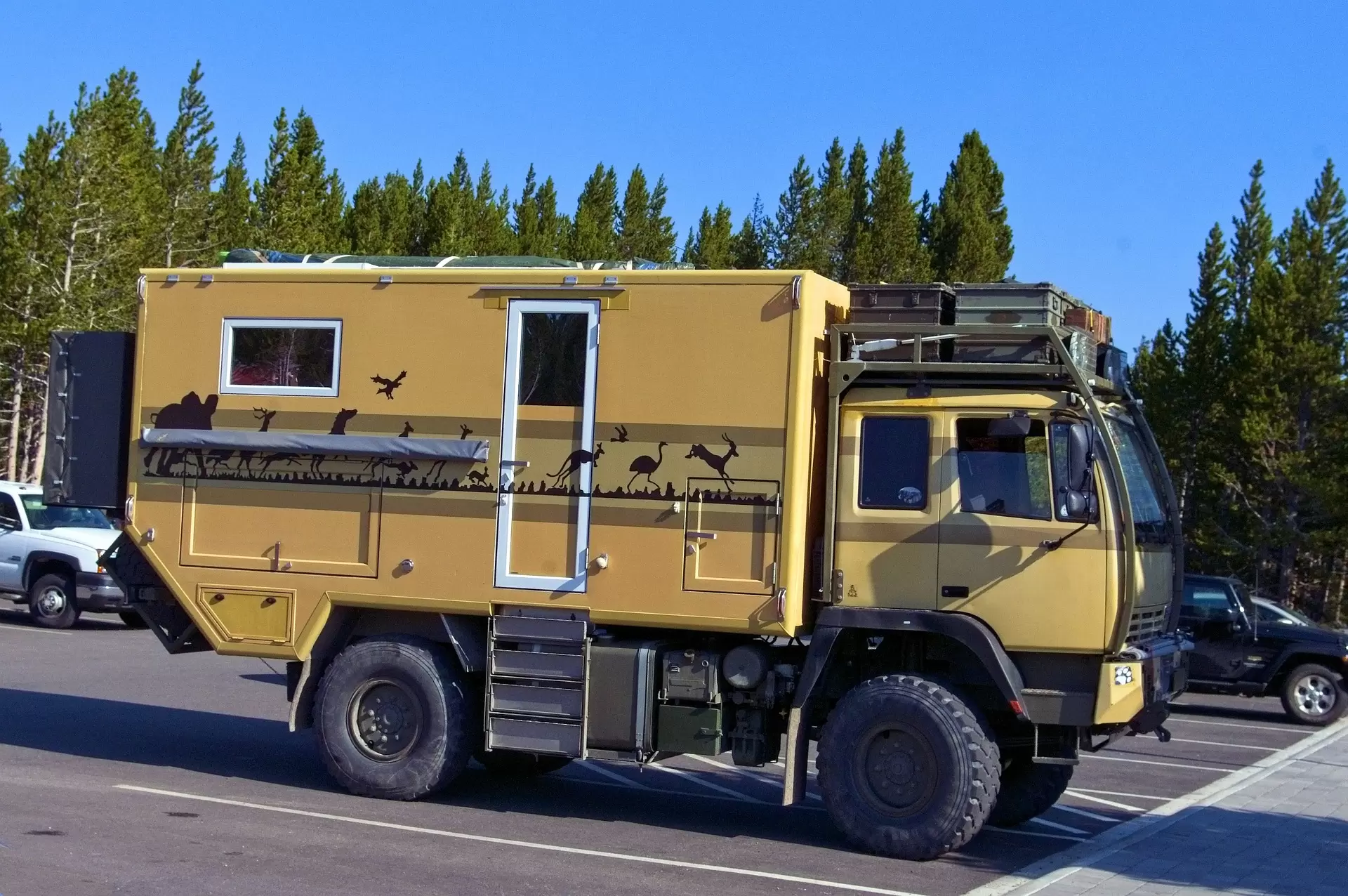
- 4WD-based campers and expedition vehicles
- Bus conversions, subject to how they are registered and built
Towed vans, pop-tops and camper trailers work differently; our caravan finance page covers those, and camper trailer finance covers campers specifically.
Registration class is the thing that decides it
This is the part worth understanding before you start looking.
A motorhome is registered as a motor vehicle, which means the lender is securing against a vehicle with an engine, kilometres and a mechanical condition, not just a body. Two consequences follow. Kilometres matter as much as age, in a way they never do for a caravan. And maximum age limits apply at the end of the loan term, not the start, so an older motorhome tends to attract a shorter maximum term rather than a flat refusal. A shorter term means a higher repayment, and that is usually the real constraint rather than the approval itself.
It also means the vehicle needs to be registered and roadworthy in the ordinary way, and that registration requirements differ between states. Check with your state transport authority rather than assuming.
Ready to get started?
Book a chat with an Asset Finance Broker at Treadgold Finance today.
Conversions: who did the work matters
A van converted into a camper is common and perfectly financeable, but lenders look at it more carefully than a factory-built unit.
A professional conversion by a recognised builder, properly engineered and with the registration updated to reflect the conversion, is treated much like a factory motorhome. The paperwork exists, the value is assessable, and it can be resold.
A home conversion is harder. If the vehicle is still registered as a van and the fit-out is owner-built, the lender is securing against a van, not a motorhome, and the money spent on the interior may not count toward the value at all. That does not make it impossible, but expect fewer lenders, and expect the vehicle to be valued as what it is registered as.
If you are planning to convert a van yourself, the practical order is: finance the van as a van, then build. Trying to finance a half-built conversion is where it gets difficult.
Imports
Imported campervans and motorhomes come up regularly, particularly older Japanese and European units. They can be financed, with conditions. The vehicle needs to comply and be registrable here, the age limits still apply, and parts availability affects both the lender's view and your running costs. Not every lender will fund an import, so it is worth establishing that before you commit rather than after.
New, used and buying privately
Dealer purchases are the simplest: clear title, an invoice, often a warranty.
Private sales are very common in this market, and the process protects both sides when the purchase is financed. The lender verifies the seller owns the vehicle, searches the Personal Property Securities Register against the VIN to confirm nothing is owing, and pays the seller directly at settlement. You do not hand over a large sum yourself. Search the register yourself too, before you pay, at ppsr.gov.au; if finance is owing and is not paid out, the lender's interest follows the vehicle to you. Our guide to buying privately with finance sets out the steps.
Shows and rallies work the same way as caravan shows: built around decisions made on the day. Arranging pre-approval beforehand means you know your ceiling and can compare the finance offered on the floor rather than taking it by default.
Secured or unsecured
Most motorhome and campervan purchases suit a secured loan, with the vehicle as security. The values involved are usually high enough, and the asset is identifiable and resellable. Our guide to secured car loans explains how that works.
Unsecured lending occasionally suits older or owner-converted vehicles where the asset will not support security, priced for the higher risk that carries.
Living in it full time
A growing share of buyers intend to live in the vehicle full time, and it is worth being straight about it with the lender rather than leaving it unsaid. Some lenders take a different view where the vehicle is a primary residence rather than a recreational asset, particularly around insurance requirements. It does not necessarily change the answer, but discovering it late can unwind a settlement.
What lenders assess
- Income and employment, and whether the repayments fit comfortably alongside existing commitments
- Credit history. Our guide to your credit file covers what they see
- The vehicle as security: age, kilometres, mechanical condition, registration class, and whether it is factory-built, professionally converted or owner-built
- Any deposit, which widens the options
Comprehensive insurance is generally required from settlement, and premiums on motorhomes are priced differently from cars, so get a quote before you commit.
Where a broker fits
Lender appetite varies more here than for a car: on age and kilometres, on conversions, on imports, and on full-time living. Matching the vehicle to a lender that will actually take it is most of the work, and it avoids applications that were never going to be approved. Our caravan finance page sets out what we arrange, Australia-wide.
This article is general information only and is not financial or legal advice. Registration requirements are set by each state and territory, and lender criteria vary and change.
Damo Treadgold is the director of Treadgold Finance, an FBAA-accredited finance broker on the Sunshine Coast, arranging caravan, car, boat and equipment finance Australia-wide.
Frequently Asked Questions
Can you finance a motorhome or campervan?
Yes. Most purchases suit a secured loan with the vehicle as security. Because a motorhome is registered as a motor vehicle rather than a trailer, lenders assess kilometres and mechanical condition as well as age.
Is financing a motorhome different from financing a caravan?
Yes. A caravan is a towed trailer; a motorhome is a motor vehicle. Kilometres and mechanical condition matter, and the vehicle must be registered and roadworthy in the ordinary way.
Can I finance a converted campervan?
Usually, though lenders look closely at who did the conversion. A professional, engineered conversion with the registration updated is treated much like a factory motorhome. An owner-built fit-out on a vehicle still registered as a van is harder, and the interior work may not count toward the value.
Can I finance an imported motorhome?
Often, with conditions. The vehicle must comply and be registrable in Australia, age limits still apply, and parts availability affects the lender's view. Not all lenders fund imports, so confirm before committing.
Can I finance an older motorhome?
Often yes. The maximum age applies at the end of the loan term, not the start, so an older vehicle usually means a shorter maximum term rather than a refusal. The shorter term lifts the repayment, which is the practical constraint.
Does it matter if I plan to live in it full time?
Tell the lender upfront. Some take a different view where the vehicle is a primary residence rather than a recreational asset, particularly around insurance. It is better established at the start than discovered near settlement.