Fitting out or upgrading a venue means finding money for equipment at exactly the moment your cash is tied up in stock, wages and the lease. Equipment finance spreads that cost across the years the gear earns, rather than draining the account in one hit. Here’s how it works for hospitality operators in Mackay, and what to sort out before you commit.
What equipment can you finance in a Mackay venue?
Almost any tangible piece of gear the venue needs:
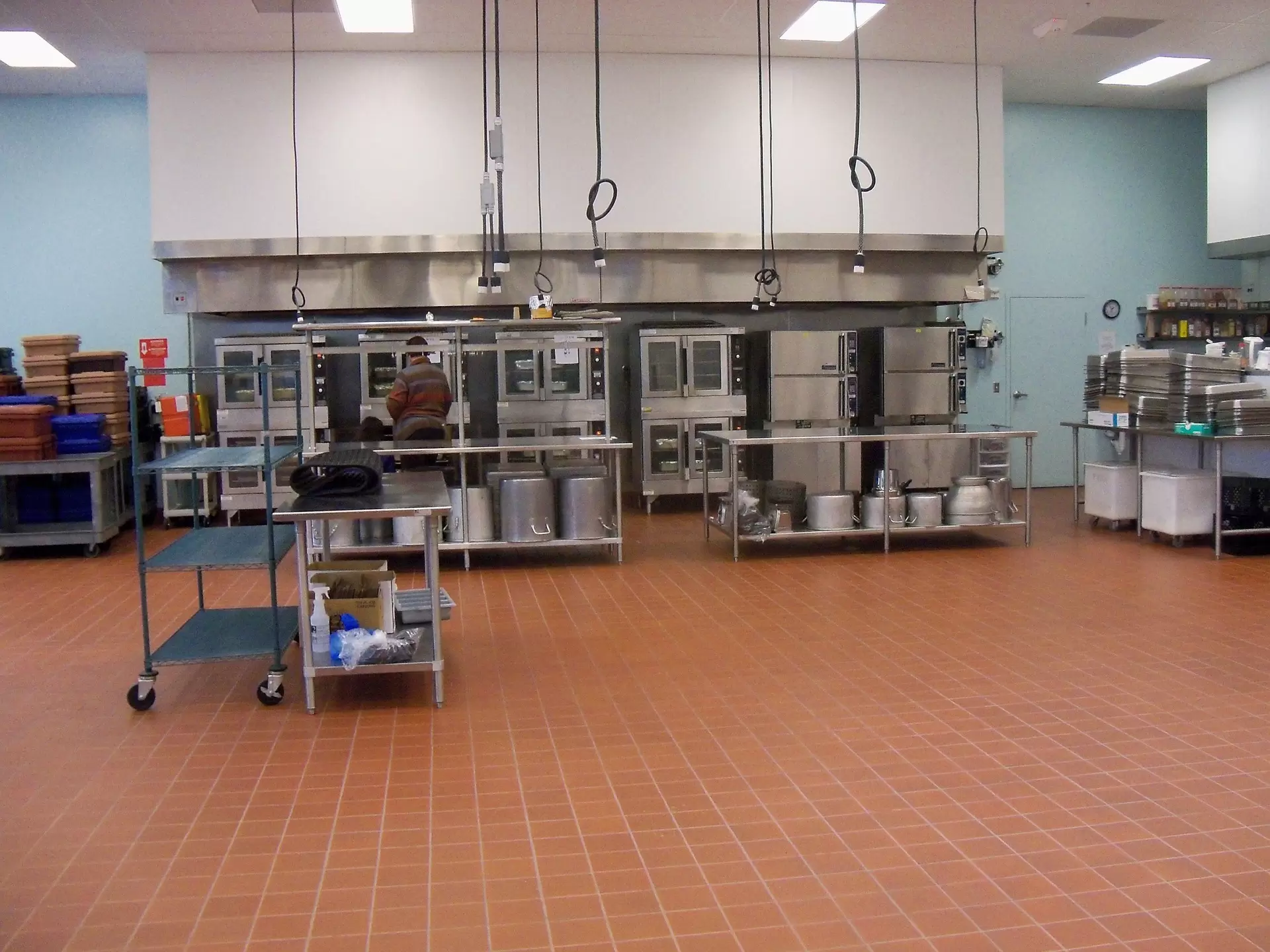
- Kitchen: combi ovens, ranges, fryers, coolrooms and freezers, dishwashers, prep benches, extraction
- Front of house: espresso machines and grinders, display cabinets, ice machines, glass washers, dining furniture
- Systems: point-of-sale terminals, kitchen display screens, payment and ordering hardware
- Back of house: shelving, refrigeration, cleaning and sterilisation equipment
Whether you’re setting up a café on Sydney Street, refitting a pub kitchen in North Mackay, or expanding a venue near the CBD, the principle is the same: the equipment is the lender’s security, so it’s the asset that carries the finance rather than your balance sheet alone.
Equipment and fitout are funded differently
This is the part that catches most new venues, and it’s worth understanding before you get a builder’s quote.
Equipment can be security. An oven, a coffee machine or a coolroom has a serial number, a second-hand market, and can be recovered and resold. Lenders will lend against it.
A fitout largely cannot. Joinery, tiling, plumbing, electrical and shopfront work are attached to a building you lease. They can’t be repossessed in any useful way and have little resale value, so lenders generally won’t take them as security.
Most venue projects are therefore funded in two parts: equipment finance against the equipment, and a separate facility for the fitout. Installation and delivery that form part of a supplier’s equipment quote can usually be rolled in; a full builder’s fitout usually cannot. Get a quote that separates the two before you approach anyone for finance. Our national guide to hospitality, retail and fitout finance goes through this in more detail.
Ready to get started?
Book a chat with an Asset Finance Broker at Treadgold Finance today.
Match the finance term to your lease
If the fitout portion is financed over a term longer than the certain term of your lease, you can end up paying for work in premises you have already left. Equipment moves with you; a fitout does not. Raise your lease term when you arrange the finance, because a lender that understands venues will ask anyway.
Chattel mortgage or hire purchase?
A chattel mortgage lets you own the equipment from day one while the lender holds security over it until the loan is repaid. You claim the GST back if you’re registered and depreciate the asset each year. Repayments are fixed, so budgeting is straightforward. It’s the usual structure for operators running through a company or trust. Our guide to chattel mortgages explains it fully.
Hire purchase can suit a sole trader, or an operator who would rather not claim the GST upfront. The lender owns the equipment during the term and ownership transfers once the final payment clears. Our guide to finance lease versus hire purchase sets out the differences.
Terms are generally set to match the equipment’s working life, and which structure suits is a conversation worth having with your accountant before the paperwork is drawn.
How lenders assess a hospitality application
Lenders look at trading history, cash flow and the equipment itself. An established venue that’s trading profitably is usually straightforward, because the equipment acts as security and the lender is more interested in the asset and your ability to service the repayments than in a flawless credit file.
For newer venues, or one recovering from a slow stretch, recent bank statements and sales reports carry more weight than older tax returns. Mackay’s hospitality scene sees genuine turnover, so lenders who know the sector read those figures with that in mind. Where full financials don’t exist yet, low doc business loans are assessed on bank statements, BAS or an accountant’s declaration instead.
If you’re opening rather than expanding, a signed lease, realistic figures, documented experience and a deposit all count for a great deal.
Buying an existing venue
If you’re taking over a going concern, the equipment usually comes with it, and two checks matter before settlement.
Search the Personal Property Securities Register against the serial numbers of the major items. Venue equipment is very often financed, and if the previous operator’s finance isn’t paid out at settlement, the lender’s interest survives the sale and follows the gear to you. A search costs very little and takes minutes at ppsr.gov.au; do it before settlement, not after, and make the payout of any registered interest a condition of the contract.
Second, separate what you’re actually buying. Goodwill and business acquisition finance is a different product from equipment finance and usually needs the venue’s financials.
Used equipment and upgrading mid-term
Used commercial kitchen gear is financed routinely, subject to age, condition and remaining useful life. Lenders may cap the age or ask for a valuation on older items.
Upgrading before the end of a term happens often in hospitality, because high-use items like ovens and espresso machines wear faster than expected. If the equipment’s market value exceeds the balance remaining, you can trade or sell it, clear the loan and roll into new finance. If it doesn’t, you’ll need to cover the shortfall or fold it into the new facility if the lender agrees. Keeping an eye on the balance against the gear’s value is what stops you paying off equipment you’ve already replaced.
How quickly can it move?
Once the application and supporting documents are in, approvals typically land within a few days, and payout can follow within a week if the supplier has stock and the paperwork is clean. That matters most when you’re replacing something that has already broken, or working to a launch date.
Applications move fastest when the financials are current and the equipment quote is detailed. Lenders want to see what they’re funding, what it costs and how it fits the operation. A vague quote or missing statements is what slows things down.
Talk it through
Our equipment finance page covers the full range we arrange, Australia-wide, and business loans covers the fitout side. Call us or book a time that suits, and we’ll work through the structure, the split between equipment and fitout, and which lenders understand hospitality in regional Queensland.
This article is general information only and is not financial, tax or legal advice. Lender criteria vary and change; confirm the tax treatment of any purchase with your accountant.
Frequently Asked Questions
Can I finance used hospitality equipment or only new gear?
Both. Lenders may cap the age or ask for a valuation on older items, but used kitchen equipment, coffee machines and coolrooms are commonly financed where they’re in working condition with remaining useful life.
Can I include fitout costs in the equipment loan?
Installation and delivery that form part of the supplier’s equipment quote can usually be rolled in. Larger fitout works attached to the premises generally cannot, because lenders can’t take them as security, so they’re funded separately.
How long should the finance term be?
Equipment is usually financed over its working life. For any fitout portion, keep the term within the certain term of your lease so you’re not still paying for work in premises you’ve left.
What documents do I need?
Recent bank statements, proof of business registration, and a detailed equipment quote. Established venues may also provide financials or tax returns. Newer businesses can often rely on recent trading statements.
I’m buying an existing venue. What should I check?
Search the Personal Property Securities Register against the serial numbers of the major equipment before settlement. If the previous operator’s finance isn’t paid out, the lender’s interest survives the sale and follows the equipment to you. Make the payout a condition of the contract.
What happens if equipment breaks down during the term?
You remain responsible for the repayments, which is why warranties and insurance matter on high-value items.