
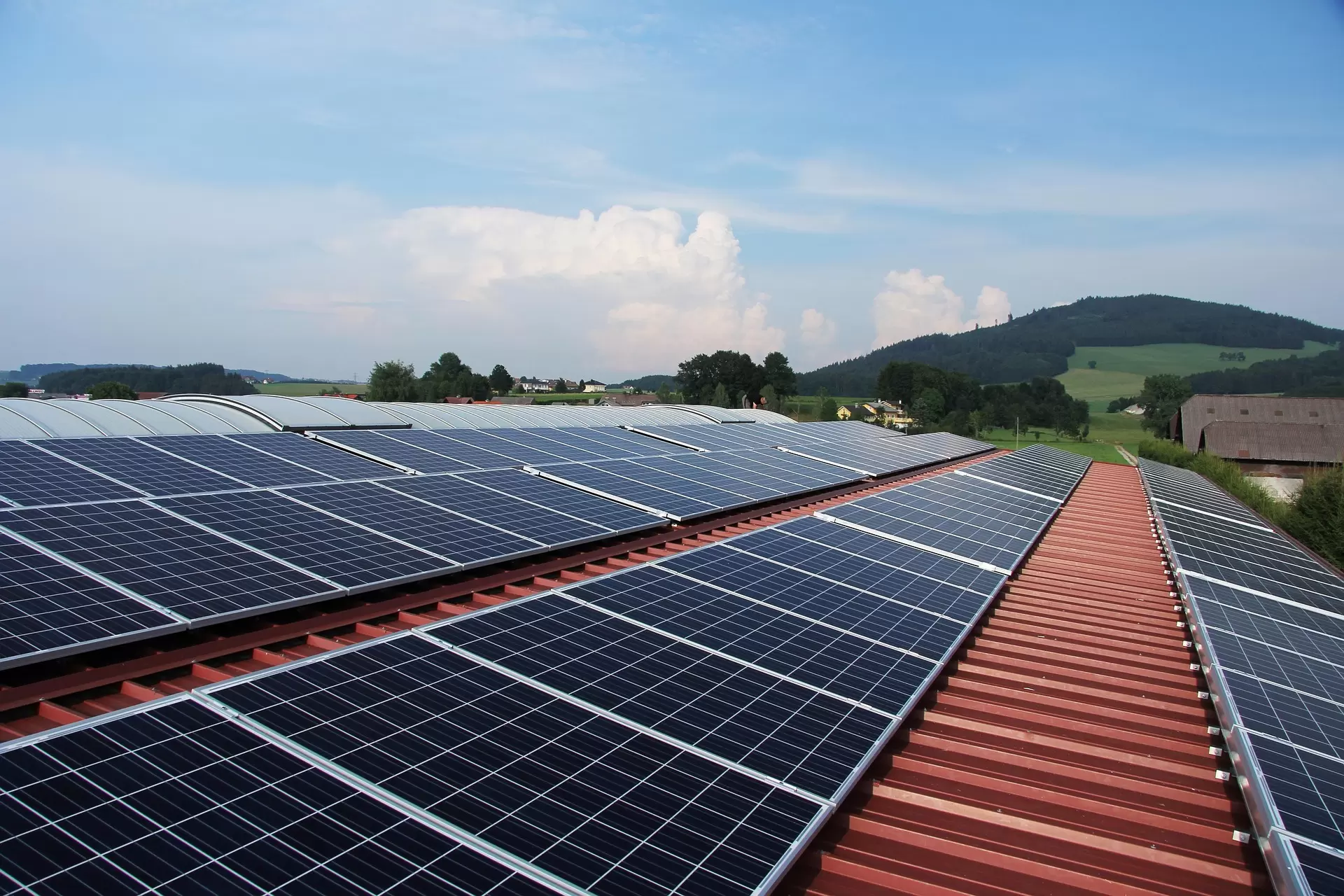
Solar is one of the few things people borrow for where the purchase is supposed to pay for itself. That makes the finance question sharper than usual: not simply what will it cost, but whether the repayment is smaller than the saving on the bill.
Get that right and it is close to free. Get it wrong, usually by stretching the term or paying more than you needed to, and you have swapped an electricity bill for a loan repayment.
The question to answer first
Before comparing lenders, work out two numbers with your installer: what the system is expected to save you each year, and what the repayment would be over the term you are considering.
If the repayment is comfortably below the saving, the system is funding itself and the finance decision is straightforward. If it is close, the term is doing the work rather than the panels, and it is worth asking whether a smaller system or a shorter term serves you better. Installers should be able to give you a realistic estimate based on your actual usage rather than a generic figure, and it is fair to ask for that in writing.
Be cautious of estimates built on exporting most of your generation. Feed-in tariffs have fallen a long way, and the real saving on most homes now comes from using your own power rather than selling it, which is also why batteries have become part of the conversation.
The three ways people fund it
A personal loan. Unsecured, fixed amount, fixed term, fixed repayment, arranged before you commit. You buy as a cash customer, which sometimes improves the price, and the loan ends on a known date. Our personal loans page covers what we arrange.
Interest free through the installer. Very common in solar, and usually a continuing credit account rather than a fixed loan. The promotional period is real, but so are the monthly account fees, and the standard rate applies to anything still owing when the period ends. Same structure as retailer furniture offers, which we have covered in furniture and household goods finance.
A green loan from a bank. Some lenders offer discounted rates for approved renewable products. Worth checking if you bank with one, though eligibility is usually tied to specific approved equipment and installers.
Ready to get started?
Book a chat with an Asset Finance Broker at Treadgold Finance today.
What the interest free fine print usually says
Worth reading rather than trusting, because this is where solar deals go wrong.
Most installer offers are continuing credit accounts. That typically means an establishment fee, a monthly account fee that applies throughout including during the interest free period, and an ongoing rate on anything outstanding when the promotion ends.
The monthly fee matters more than people expect on a long promotional period, because it is charged whether or not you owe interest. Add it up across the full term and compare it honestly against a personal loan at an ordinary rate. Sometimes the interest free deal still wins. Often it does not, and it is the fees rather than the rate that decide it.
Two further points. The account is credit, so it sits on your file and the limit counts against you when you next apply for something, including a home loan. And the limit usually stays open after the balance is cleared.
Compare any offer on its comparison rate, which is the number that bundles fees and rate together.
What can be included
- Panels and inverter
- Battery storage, which is often financed with the system or added later
- Installation, including any switchboard or meter work the install requires
- Ancillary equipment such as monitoring, EV chargers where installed at the same time
Where it all appears on the one quote, it is funded as one amount. Adding a battery separately afterwards usually means a second arrangement, so if a battery is likely within a year or two it is worth pricing both now even if you install in stages.
Rebates, and what they do to the amount
Government rebates and certificate schemes are generally applied by the installer as a discount on the quoted price rather than paid to you later, so the amount you finance is the price after that discount. Schemes differ by state and change, so confirm what applies with your installer and your state authority rather than assuming.
Secured, if you have an asset
Solar finance is unsecured, since panels bolted to a roof are not useful security. If you have a vehicle or another asset, a secured loan is generally priced lower and is worth asking about before defaulting to unsecured.
What lenders assess
- Income and employment, and whether the repayment fits alongside existing commitments
- Your credit file, including recent applications and any store or installer accounts already open
- Existing limits, which count whether used or not
If existing debts are part of why the budget is tight, our guide to debt consolidation covers whether restructuring them helps.
Where a broker fits
The useful work is comparing the installer's offer against ordinary lending on a like-for-like basis, fees included, and checking the term against the expected saving rather than just the monthly figure. Sometimes the interest free deal is genuinely the cheapest and we will say so. Our personal loans page sets out what we arrange, Australia-wide. For solar on a business premises, see our equipment finance page instead, since that is a different structure with different tax treatment.
This article is general information only and is not financial advice. It does not take account of your objectives, financial situation or needs. Rebates and incentive schemes are set by government and change; confirm what applies with your installer and your state authority.
Damo Treadgold is the director of Treadgold Finance, an FBAA-accredited finance broker on the Sunshine Coast, arranging personal, car, boat and equipment finance Australia-wide.
Frequently Asked Questions
Can I get a personal loan for solar and a battery?
Yes. Solar finance is unsecured, since panels attached to a roof are not useful security. If you have a vehicle or another asset, a secured loan is generally priced lower and worth asking about.
Is the installer's interest free offer cheaper than a loan?
Sometimes, and sometimes not. Most are continuing credit accounts with an establishment fee and a monthly account fee charged throughout, plus a standard rate on anything owing when the promotion ends. Add the fees across the full term before deciding.
Will the savings cover the repayments?
That is the question worth answering first. Ask your installer for an estimate based on your actual usage, not a generic figure, and compare it against the repayment over the term you are considering. If it is close, the term is doing the work rather than the system.
Can I add a battery later?
Yes, though adding it afterwards usually means a second arrangement. If a battery is likely within a year or two, price both now even if you install in stages.
Do rebates reduce what I need to finance?
Generally yes. Rebates and certificate schemes are usually applied by the installer as a discount on the quoted price, so you finance the amount after that discount. Schemes differ by state and change.
Does installer finance affect my credit file?
Yes. It is credit, so it appears on your file and the limit counts against you when you next apply for something, including a home loan. The limit usually stays open after the balance is cleared.