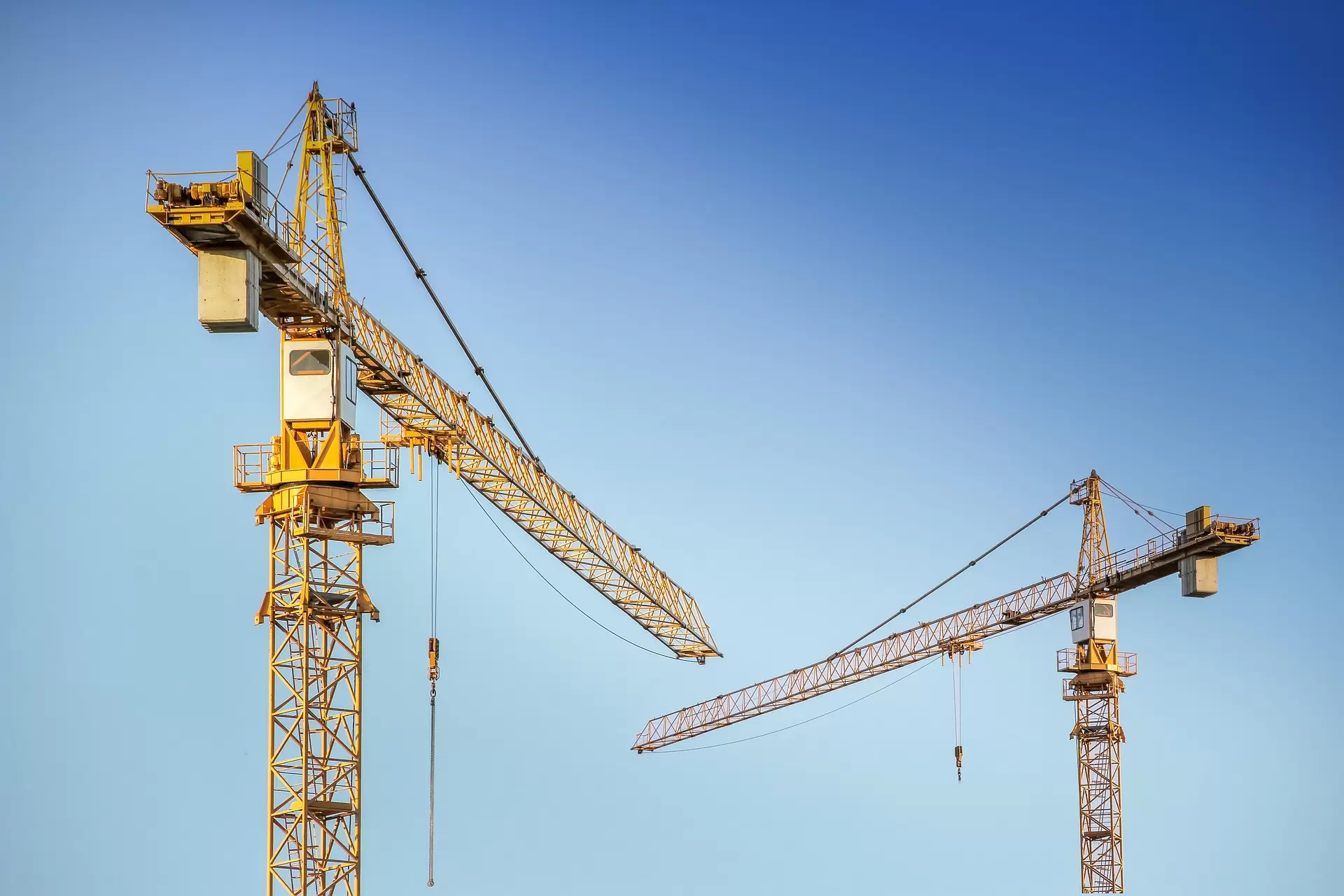
Lifting gear is among the most expensive equipment a business can buy, and among the most heavily regulated. Both facts shape the finance: the amounts are large enough that structure matters, and the compliance paperwork is part of what makes the machine worth anything to a lender. Here’s how crane and lifting equipment finance works in Australia.
What gets financed
- Mobile cranes: all terrain, rough terrain, city cranes
- Pick and carry cranes, commonly known by the Franna name
- Truck-mounted cranes and crane trucks, where the truck itself may be financed alongside; see our truck loans page
- Vehicle loading cranes, hiabs and knuckle booms
- Telehandlers, which straddle lifting and earthmoving
- Elevated work platforms: boom lifts, knuckle booms, scissor lifts
- Gantry, jib and overhead cranes for workshops and warehouses
- Rigging and lifting gear where it forms part of a larger purchase
Our equipment finance page covers the wider category, and earthmoving, plant and construction equipment finance covers yellow goods generally.
Compliance records are part of the asset
This is the difference between lifting gear and most other equipment. A crane or EWP is only usable if its inspection, certification and maintenance records are in order, and a machine without them is close to unsellable. Lenders know that, so the paperwork affects the security itself, not just your operation.
Practically, that means: keep the logbooks, keep the major inspection records, and if you’re buying used, treat missing documentation as a serious problem rather than an administrative annoyance. A machine with complete records finances more easily and resells for more.
Ready to get started?
Book a chat with an Asset Finance Broker at Treadgold Finance today.
Utilisation is what makes the numbers work
Lifting equipment earns in bursts. A crane on a project is highly profitable; the same crane between projects is an expensive thing sitting in a yard. Lenders that understand the industry look at how consistently the machine will be working, and it’s worth being able to answer that clearly.
If your work is genuinely project-based with gaps between jobs, that’s an argument for a longer term with comfortable payments rather than a short aggressive one, or for hiring in rather than buying for a particular job. It’s also a reason the term deserves as much attention as the rate. If the deeper problem is the gap between doing work and being paid for it, that’s working capital rather than equipment finance, and our business loans page covers it.
Wet hire, dry hire and buying
Many operators run a mixed model: own the core fleet, hire in for peaks, and wet hire out their own machines with an operator when they’re idle. Two finance implications:
If you plan to hire the machine out, say so when you apply. Some lenders treat hire fleet use differently from own-use, and it’s better established at the start than discovered later.
If you’ve been hiring in the same machine repeatedly, that’s usually the signal that buying makes sense. A buyout of a machine you’ve been dry hiring can generally be financed like any other purchase; establish what the hire payments have contributed toward the price before agreeing a figure.
Age, hours and condition
Cranes have long working lives, and well-maintained older machines hold value better than most equipment. Lenders look at:
- Hours and lift cycles against age
- Major inspection status and when the next one falls due
- Service history, documented
- Brand and parts support in Australia
- Condition of the boom, ropes, hooks and hydraulics
An older machine typically means a shorter maximum term rather than a decline, but a machine approaching a major inspection is a different conversation, because the cost of that inspection lands on the new owner. Factor it into the purchase price and mention it when arranging the finance.
Buying at auction or privately
Auctions move a lot of lifting equipment. Settlement is quick and you bid without knowing the final price, so pre-approval before the sale is what makes it workable.
Private and ex-fleet purchases need a check of the Personal Property Securities Register against the machine’s serial number to confirm nothing is owing on it. The register covers plant as well as vehicles. A search at ppsr.gov.au costs very little and takes minutes, and any registered interest is paid out at settlement.
Imports are common for specialist units and add compliance and timing complexity. Not every lender will fund one, and the machine generally needs to meet Australian standards before it earns.
The structures used
Chattel mortgage for a machine you’re keeping: ownership from day one with a security interest registered. See chattel mortgages explained. Finance lease or hire purchase where ownership timing or tax treatment suits better; see finance lease versus hire purchase. Rental for project-specific requirements.
What lenders assess
- The business: time trading, ABN and GST registration, and the work you do
- Serviceability, from financials, BAS or bank statements
- The machine as security: type, age, hours, inspection status, brand, resale market
- Contracts or work pipeline, which carry real weight given the amounts involved
- Credit history, with directors’ guarantees standard
- Deposit or trade-in
Where full financials aren’t available, low doc business loans are assessed on bank statements, BAS or an accountant’s declaration; who qualifies for a low doc business loan covers the criteria.
The tax side
Lifting equipment bought for business use generally attracts deductions for depreciation and for the interest component of the finance. Immediate write-off provisions apply to eligible assets under a threshold in some years, and cranes frequently sit above it, so the general depreciation rules are usually what matter here. We’ve explained the mechanism in how the instant asset write-off works. Confirm the position with your accountant.
Where a broker fits
At these amounts the lender’s understanding of the industry matters more than usual: how they read project-based income, whether they’ll fund a hire fleet, how they treat a machine with an inspection due, and whether they’ll consider an import. Getting the deal in front of a lender that writes this equipment is most of the work. Our equipment finance page sets out what we arrange, Australia-wide.
This article is general information only and is not financial, tax or legal advice. Lender criteria vary and change; confirm the tax treatment of any purchase with your accountant.
Damo Treadgold is the director of Treadgold Finance, an FBAA-accredited finance broker on the Sunshine Coast, arranging equipment, machinery, vehicle and business finance Australia-wide.
Frequently Asked Questions
Can you finance a crane?
Yes. Mobile cranes, pick and carry cranes, truck-mounted units, telehandlers and EWPs are all financed, usually as a chattel mortgage, finance lease, hire purchase or rental, secured against the machine.
Why do compliance records matter for crane finance?
Because lifting equipment without current inspection and maintenance records is close to unsellable, and resale is the lender’s security. Complete documentation makes a machine easier to finance and worth more.
What if the machine has a major inspection due?
Factor the cost into the purchase price and raise it when arranging finance. The inspection lands on the new owner, so it changes the real cost of the machine.
Can I finance a crane if my work is project-based?
Yes, and it’s normal in this industry. Be ready to explain utilisation. A longer term with comfortable payments usually suits project work better than a short aggressive one.
Can I finance a machine I intend to hire out?
Often yes, but say so when you apply. Some lenders treat hire fleet use differently from own-use, and it’s better established upfront.
Can I finance lifting equipment bought at auction?
Yes, with pre-approval arranged beforehand. Auctions settle quickly and you bid without knowing the final price.