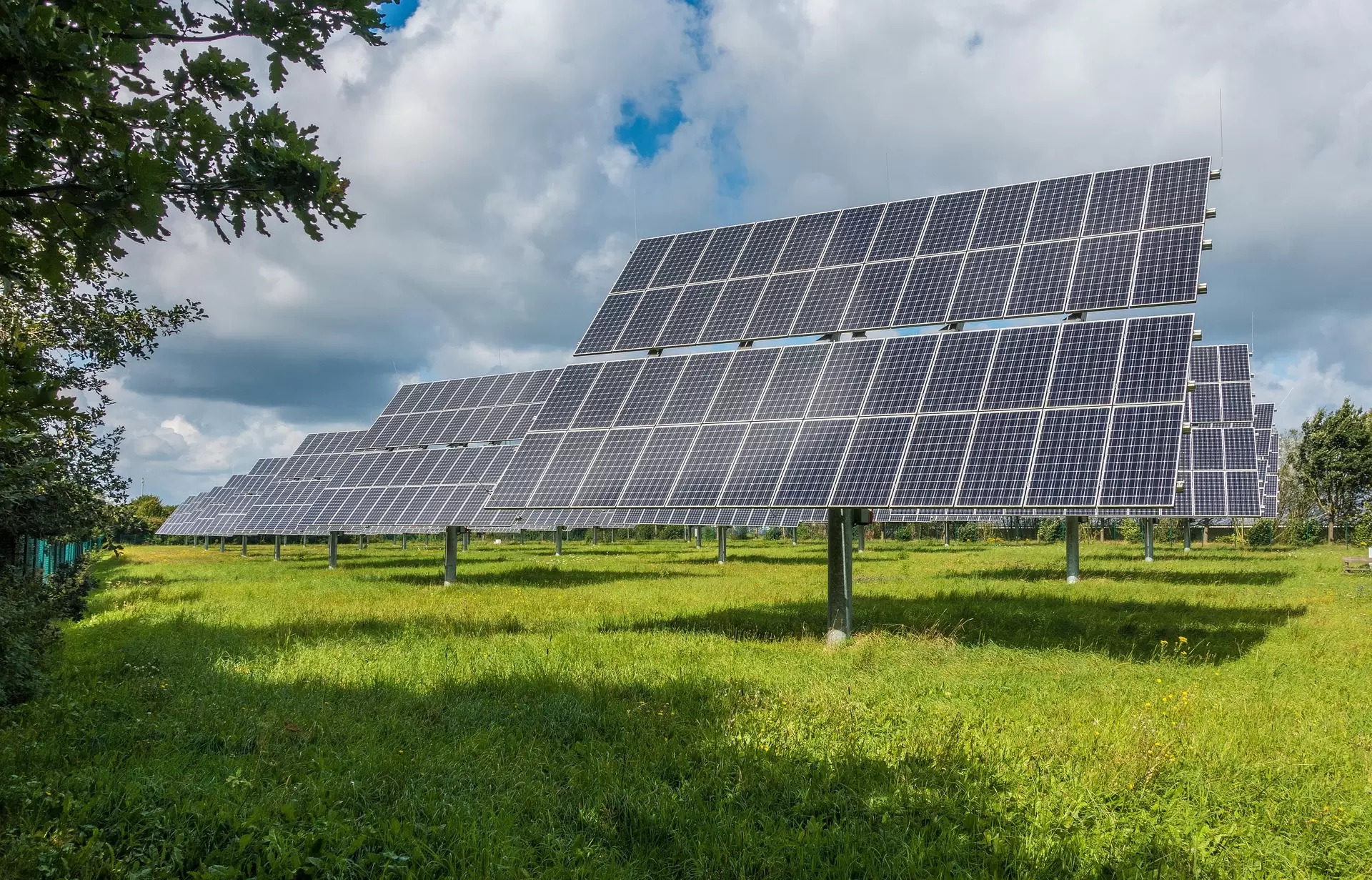
A commercial solar system is one of the few business purchases that reduces a running cost from the day it is switched on. The finance is mostly ordinary equipment finance, with one complication that decides everything else: whether you own the building it is going on.
Own the premises, or lease them
This is the first question, and it changes the structure.
If you own the premises, the system is straightforward. It is your asset on your building, financed as equipment, and the usual structures apply.
If you lease the premises, it gets more complicated, for the same reason a shop fitout does. Solar is affixed to a building you do not own, which makes it hard for a lender to take as security, because it cannot practically be recovered and resold. Some lenders will still fund it unsecured or on other security. Others will not.
Two practical points if you lease. Check the lease term against the finance term, because financing a system over longer than your certain lease means paying for panels on a building you may have left. And get the landlord's written consent before you commit, since most commercial leases require it for works of this kind and it can take longer to obtain than you expect.
The structures
A chattel mortgage is the usual choice where you own the premises and intend to keep the system: you own it from day one and the lender registers a security interest. You claim the GST back if registered and depreciate the asset. Our guide to chattel mortgages covers it in full.
A finance lease or hire purchase suits businesses where ownership timing or the accounting treatment works better. See finance lease versus hire purchase.
An unsecured business loan is often the realistic route for a leased premises, where the system cannot serve as security. Our business loans page covers that side.
A power purchase agreement is a different model again: a provider owns the system on your roof and you buy the power it generates at an agreed rate. No capital outlay and no finance, but no asset and no depreciation either, and you are committed to a supply agreement for years. Worth comparing properly rather than dismissing, particularly on a leased site.
Ready to get started?
Book a chat with an Asset Finance Broker at Treadgold Finance today.
The tax side
Solar bought for business use generally attracts deductions for depreciation and for the interest component of the finance, and in some years an immediate write-off applies to eligible assets under a threshold, tested against the asset's total cost. Our guide to how the instant asset write-off works explains the mechanism.
Where the system is on a leased premises, the treatment can differ, since the work may be capital works rather than plant. That is a question for your accountant rather than your installer, and it is worth asking before you sign rather than after.
Sizing it to the business, not the roof
The economics of commercial solar rest on self-consumption. Power you use yourself displaces what you were buying at retail rates. Power you export earns a feed-in rate that is usually far lower.
So a system sized to your actual daytime load generally pays back faster than a bigger one sized to fill the roof. That matters to the finance decision because it determines how much you need to borrow, and a smaller system with a shorter term can leave you better off than a larger one carrying a longer commitment.
Ask your installer for projections based on your interval data from your electricity retailer rather than an estimate, particularly if your business runs mostly outside daylight hours, where the case for solar is weaker and batteries or a smaller system may suit better.
Also check export limits with your network distributor early. They vary, and a system planned around exporting more than you are permitted to will not perform as quoted.
What lenders assess
- The business: time trading, ABN and GST registration
- Serviceability, from financials, BAS or bank statements
- Whether you own or lease the premises, per above
- Credit history, with directors' guarantees standard on commercial lending
Where full financials are not available, low doc business loans are assessed on bank statements, BAS or an accountant's declaration instead.
Where a broker fits
The two things that decide a commercial solar deal are the premises question and the structure that follows from it. A lender comfortable funding a system on an owned warehouse may decline the same system on a leased one, and knowing that before an application goes in saves a decline. Our equipment finance page sets out what we arrange. For solar on a home rather than a business, see solar and battery finance.
This article is general information only and is not financial, tax or legal advice. Network export limits and incentive schemes vary by state and change; confirm the tax treatment with your accountant.
Damo Treadgold is the director of Treadgold Finance, an FBAA-accredited finance broker on the Sunshine Coast, arranging equipment, vehicle and business finance Australia-wide.
Frequently Asked Questions
Can I finance commercial solar?
Yes. Where you own the premises it is financed as equipment, usually through a chattel mortgage, lease or hire purchase. Where you lease, it is more complicated because the system is affixed to a building you do not own.
Does it matter if I lease my premises?
Yes, considerably. Solar affixed to a leased building is hard for a lender to take as security, so some will fund it unsecured or on other security and others will not. Check your lease term against the finance term and get the landlord's written consent before committing.
What is a power purchase agreement?
A provider owns the system on your roof and you buy the power it generates at an agreed rate. No capital outlay and no finance, but no asset and no depreciation either, and you are committed to a supply agreement for years.
Can I claim the tax deductions?
Solar for business use generally attracts depreciation and a deduction for the interest component of the finance, and in some years an immediate write-off applies to eligible assets. On leased premises the treatment can differ. Confirm with your accountant.
How big a system should I finance?
Usually one sized to your actual daytime usage rather than the roof, because self-consumption is worth far more than exporting. Ask for projections based on your interval data rather than an estimate.
What if my business runs outside daylight hours?
The case for solar alone is weaker, and a smaller system or battery storage may suit better. Worth modelling properly before committing to a system size and a finance term.