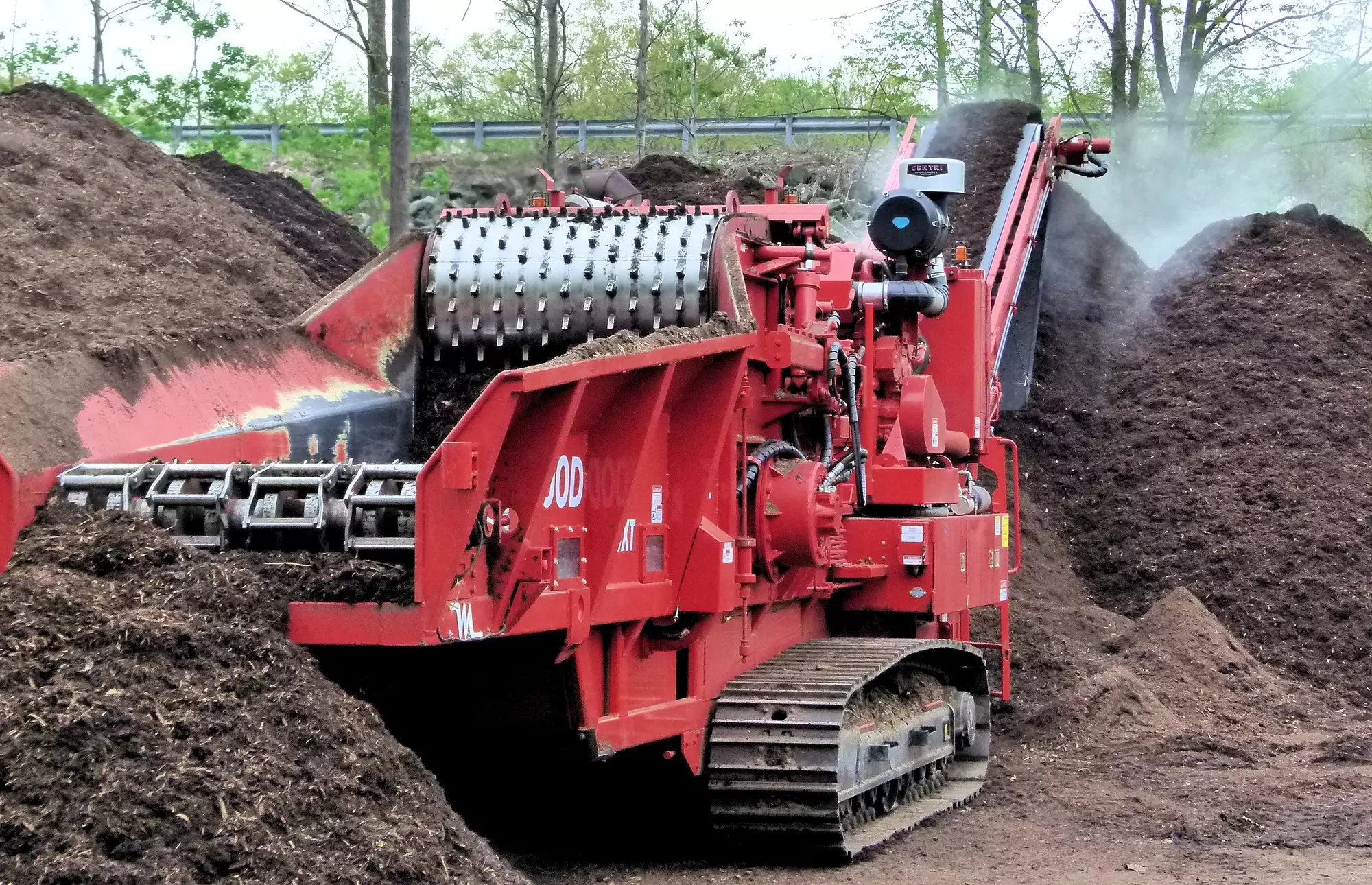

Construction equipment doesn't wait for your bank balance to catch up.
If you're running an earthmoving business, civil contracting operation, or building company in Coffs Harbour, you already know the timing problem. A development project gets approved along the Pacific Highway corridor, council tenders open up for infrastructure work around the new Coffs Harbour bypass, or a private client needs bulk earthworks started before the wet season hits. You need machinery on site in weeks, not months, and waiting until you've saved the full purchase price means watching the work go to someone else.
Commercial equipment finance spreads the cost of excavators, graders, dozers, cranes, and forklifts across the income those machines generate. Instead of spending $150,000 upfront on a used excavator or $400,000 on a new grader, you make fixed monthly repayments while the equipment earns its keep. The loan amount gets structured around your business needs, and because the machinery itself acts as collateral, lenders treat it differently to an unsecured business loan.
How Plant and Equipment Finance Actually Works
You identify the machinery, the lender funds the purchase, and you repay the loan amount over an agreed term while using the equipment to generate income. The vehicle or factory machinery acts as security, which typically means lower interest rates than you'd see on unsecured lending. Most finance options for construction equipment use either a chattel mortgage or a hire purchase structure, and the one that fits depends on whether you want to claim GST upfront and how you prefer to manage tax deductions.
Consider a Coffs Harbour concreting contractor who needs a new truck and trailer combination to service residential builds around Sapphire Beach and Emerald Beach. The rig costs $180,000. Under a chattel mortgage, the business buys the equipment, claims the GST back in the next activity statement, and owns the asset from day one. Depreciation and interest become tax deductible over the life of the loan. Under hire purchase, the lender technically owns the equipment until the final payment, you can't claim the GST immediately, but the repayments and a portion of the interest are still tax effective. Either way, the contractor gets the truck on the road without fronting $180,000 in cash, and the monthly cost gets absorbed by the jobs that truck makes possible.
Fixed Monthly Repayments vs Cashflow Reality
Fixed monthly repayments mean you know exactly what's going out each month, which matters when your income fluctuates with project timing and weather delays. Construction work in Coffs Harbour doesn't deliver even revenue across the year. Wet season can pause earthmoving jobs, while summer and early autumn tend to be flat out. A fixed repayment structure doesn't care whether it rained for three weeks straight or whether a client delayed a commercial fitout.
That's why the loan term matters as much as the repayment amount. Stretching a $200,000 dozer purchase over seven years instead of five years drops the monthly repayment, but increases the total interest paid and means you're still paying off machinery that might need replacing sooner. Shorter terms mean higher repayments but less interest overall, and you own the equipment outright faster. The finance options you choose should match how hard you'll work the machinery and how long it'll stay productive. If you're buying a compact excavator for residential subdivisions that'll run six days a week, a five-year term makes sense. If you're buying a specialised piece of automation equipment or robotics financing for a specific contract, you want the loan finished before that contract ends.
Ready to get started?
Book a chat with an Asset Finance Broker at Treadgold Finance today.
Buying New Equipment vs Upgrading Existing Equipment
New machinery comes with warranties, known service history, and the latest technology. Used equipment comes with a lower purchase price and faster depreciation you can claim against tax. Financing either works the same way, but lenders treat them differently when it comes to loan-to-value ratios and interest rates.
A Coffs Harbour landscaping business looking at a $90,000 used bobcat versus a $160,000 new model faces a decision that goes beyond the sticker price. The used machine might need $8,000 in immediate repairs, shorter warranty coverage, and higher fuel costs. The new machine offers better business efficiency, lower running costs, and a full manufacturer warranty, but the loan amount is nearly double. Equipment finance lets you weigh the total cost of ownership, not just what's affordable in cash today. If the new machine saves $400 a month in fuel and downtime, and the extra repayment is $600 a month, you're only $200 worse off while running newer, more reliable gear.
Upgrading existing equipment works similarly. If you've already got a five-year-old grader that's paid off but starting to cost serious money in repairs, you can trade it in and finance the replacement. The trade-in value reduces the loan amount, and you're back to predictable monthly repayments instead of unpredictable repair bills.
What Lenders Actually Want to See
Lenders financing construction equipment care about three things: how long you've been trading, whether your business generates enough income to cover the repayments, and whether the equipment makes commercial sense for what you do. If you're a civil contractor buying an excavator, that's straightforward. If you're a cafe owner buying a dozer, that's a harder conversation.
Most lenders want to see at least two years of trading history, recent financial statements or tax returns, and a deposit somewhere between 10% and 30% depending on the equipment age and your business profile. The machinery itself becomes the collateral, so they'll also want to know it holds value and isn't so specialised that they couldn't sell it if things went wrong. Excavators, graders, cranes, trucks, trailers, and forklifts all tick that box. A custom-built piece of material handling equipment designed for one specific factory process is harder to finance because it's harder to resell.
If you're running a newer business or your financials are lumpy because you're growing fast, some lenders offer low doc options where they rely more on bank statements and asset position than full tax returns. That's particularly relevant for contractors in Coffs Harbour who've picked up work on larger infrastructure projects and need to scale quickly without waiting for the next financial year to close out.
How Equipment Leasing Compares
Equipment leasing and industrial equipment leasing get mentioned alongside finance, but they work differently. A lease means you're renting the machinery for a set period, making regular payments, and either handing it back or buying it out at the end. You don't own it during the life of the lease, which means you can't claim depreciation, but the lease payments are usually fully tax deductible as an operating expense.
Leasing suits businesses that want to upgrade technology regularly, avoid ownership risk, or manage cashflow without tying up capital in depreciating assets. It's common in IT equipment finance, office equipment, and some food processing equipment where technology moves quickly. For construction machinery that you'll run into the ground over a decade, ownership through a chattel mortgage or hire purchase usually makes more sense. You're not handing back a ten-year-old excavator at the end of a lease, you're keeping it as a backup machine or selling it privately.
Access Equipment Finance Options from Banks and Lenders Across Australia
Working with a finance broker means you're not limited to one lender's appetite or rate card. Different lenders specialise in different equipment types, business sizes, and risk profiles. Some focus on trucks and trailers, others on printing equipment finance or solar equipment finance, and others on heavy earthmoving and agricultural equipment. A broker compares offers across that panel and finds the structure that fits your situation.
For a Coffs Harbour contractor buying a $350,000 crane, a broker can place that with a lender who understands construction cashflow and doesn't blink at seasonal income variation. For a smaller operator buying a $60,000 forklift, a broker can find a lender who'll approve the deal without requiring three years of audited financials. The equipment and the business circumstances drive the lender choice, and a broker handles that matching process instead of you filling out five applications and hoping one sticks.
If you're also looking at work vehicles, solar equipment for your yard, or automation equipment to improve business efficiency, those can often be bundled or structured separately depending on what makes the most sense for tax and cashflow. The key is having access to the full range of finance options rather than just what your bank offers.
Call one of our team or book an appointment at a time that works for you. We'll talk through what you're looking to buy, how the numbers need to land, and which lenders make sense for your situation. No drawn-out process, just a straightforward conversation about getting the right machinery in place so you can take on the work that's in front of you.
Frequently Asked Questions
What deposit do I need to finance construction equipment?
Most lenders require between 10% and 30% deposit depending on the equipment age, your trading history, and business financials. The machinery itself acts as collateral, which typically means you'll need a smaller deposit than unsecured lending.
Can I claim tax deductions on financed construction equipment?
Yes. Under a chattel mortgage, you can claim depreciation and interest as tax deductions. Under hire purchase, you can claim a portion of the repayments and interest, but not depreciation until you own the equipment at the end of the term.
How long does construction equipment finance approval take?
Approval can happen in as little as 24 to 48 hours once the lender has your financials and equipment details. Settlement and fund release typically takes another few days, so you're looking at around a week from application to having the machinery ready to collect.
Can I finance used construction equipment?
Yes, most lenders will finance used excavators, graders, trucks, and other construction machinery. The equipment age and condition affect the loan-to-value ratio and interest rate, but used equipment is commonly financed alongside new purchases.
What's the difference between equipment finance and leasing?
Equipment finance means you own the machinery and repay the loan over time, claiming depreciation and interest as tax deductions. Leasing means you rent the equipment, make regular payments, and either return it or buy it out at the end, with lease payments usually fully tax deductible as an operating expense.