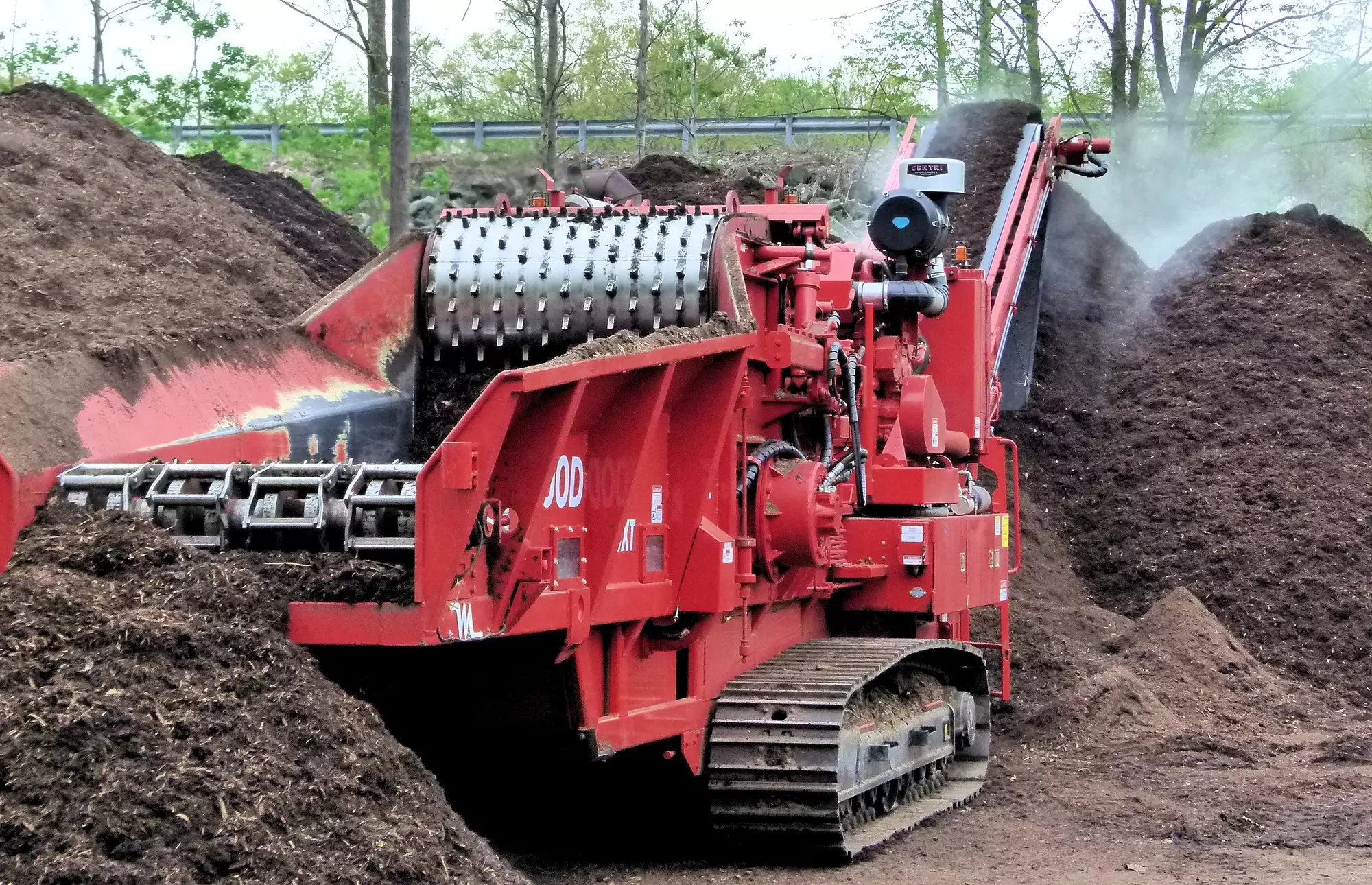

Assuming You Need to Pay Cash for Heavy Equipment
You don't need to drain your business account to buy a dozer or excavator. Commercial equipment finance lets you spread the cost over time while keeping your working capital available for wages, materials, and unexpected repairs. Most lenders will finance earthmoving machinery with a deposit as low as 10 to 20 percent, though some specialist lenders can go lower depending on the asset and your trading history.
Consider a civil contractor in Geelong's northern growth corridor who needs a 20-tonne excavator to take on subdivision work around Armstrong Creek and Charlemont. Rather than pulling $200,000 from the business account, they structure a chattel mortgage with a 20 percent deposit and finance the balance over five years. The excavator starts earning income immediately on contracts across the Surf Coast and Bellarine Peninsula, while the business retains enough cash to cover fuel, insurance, and operator costs through the first six months.
The loan repayments are tax deductible, and the business can claim depreciation on the full purchase price from day one. That combination of cashflow flexibility and tax treatment makes equipment finance a practical option for most operators, particularly when the alternative is turning down work because you don't have the right machine on site.
Not Comparing Chattel Mortgage and Hire Purchase
A chattel mortgage and a hire purchase both let you finance earthmoving equipment, but they work differently. With a chattel mortgage, you own the equipment from day one and use it as security for the loan. With a hire purchase, the lender owns the equipment until you make the final payment, then ownership transfers to you.
The chattel mortgage usually gives you more flexibility around tax deductions because you can claim GST back upfront if you're registered, and you can claim both the interest and depreciation. Hire purchase spreads the GST across the life of the lease, which can suit businesses with tighter cashflow in the early months. The interest rate and fees are often similar between the two, so the choice usually comes down to how you want to manage your tax position and whether you need that GST refund upfront to cover the deposit or fit-out costs like GPS systems and attachments.
In our experience, most earthmoving contractors in Geelong prefer a chattel mortgage because it gives them immediate ownership and the ability to sell or trade the machine if the business changes direction. But if you're buying a grader or scraper that you'll run until it's done, hire purchase can make sense, particularly if your accountant wants to smooth out the GST and depreciation across multiple financial years.
Financing Equipment You Don't Need Yet
Don't buy a machine because you might need it next year. Finance works when the equipment starts generating income immediately, not when it sits in the yard waiting for a contract that may or may not come through. Lenders want to see that the asset will support the repayments, and you should too.
Ready to get started?
Book a chat with an Asset Finance Broker at Treadgold Finance today.
If you're tendering for subdivision work around Lovely Banks or Lara and the job requires a dozer you don't currently own, structure the finance so the first repayment aligns with your first progress payment. Most lenders offer a short repayment holiday or interest-only period at the start of the loan, which gives you time to mobilise and get the machine earning. That's a sensible use of finance. Buying a $300,000 grader because you think residential work might pick up in 12 months is not.
The same applies to upgrading existing equipment. If your 10-year-old excavator is still running well and covering its costs, don't replace it just because a dealer offers a trade-in deal. Replace it when the repair bills start eating into your margin or when you're losing work because the machine doesn't have the reach or capacity for the jobs you're quoting on.
Ignoring the Total Cost of Ownership
The loan repayment is only part of what it costs to run a dozer or excavator. You also need to budget for insurance, maintenance, tyres or tracks, transport, and fuel. A five-year loan on a $250,000 machine might cost you $5,000 a month in repayments, but if you're spending another $3,000 a month on running costs, that's $8,000 you need to recover from the work.
Some lenders will let you roll insurance and first-year maintenance into the loan amount, which spreads the cost and keeps your upfront cash requirement lower. You'll pay interest on those extras over the life of the loan, but it can make the difference between taking on a job and having to pass because you don't have enough cash to cover the first service or a new set of tracks.
When you're looking at finance options, ask the lender if they can include fit-out costs like GPS, buckets, rippers, or safety equipment. Most will finance up to 100 percent of the invoice if the equipment is new and the add-ons are listed on the supplier's quote. That keeps your deposit lower and means you're not scrambling to find an extra $15,000 for attachments after you've already committed to the purchase.
Not Shopping Around for Lenders
Not all lenders treat earthmoving equipment the same way. Some will only finance new machinery, others will go up to 10 years old. Some cap the loan term at five years, others will stretch to seven if the equipment is low-hours and well-maintained. The interest rate can vary by more than two percent depending on the lender, the deposit, and your business credit history.
Working with a finance broker who understands plant and equipment finance means you get access to lenders who specialise in civil construction and earthmoving, not just the big banks who treat a dozer the same way they treat a ute. Specialist lenders often move faster, ask for less paperwork, and structure the loan around how you actually use the machine rather than a generic risk model.
We regularly see contractors in Geelong who've been knocked back by their business banker, then get approved by a specialist lender within 48 hours because that lender understands the value of the asset and the contract pipeline. If you're buying a $400,000 excavator and your bank wants two years of financials, a director's guarantee, and a registered mortgage over your family home, it's worth asking whether another lender will do the deal with just the equipment as security.
Skipping the Pre-Approval Before You Start Shopping
Don't negotiate with a dealer until you know what you can borrow. A pre-approval gives you a clear budget and puts you in a stronger position when you're talking price, trade-ins, and delivery. Dealers take you more seriously when you can confirm your finance is ready to go, and you're less likely to overspend because you got excited about a machine that's outside your budget.
Pre-approval also means you can move quickly when the right machine comes up. If a contractor in Geelong is selling a low-hours grader because they're winding down, you don't want to miss out because you're still filling in finance applications. Get the approval in place, then go shopping.
Most lenders will hold a pre-approval for 60 to 90 days, which gives you time to find the right machine without rushing. The formal approval happens once you've chosen the equipment and the lender has seen the invoice and done a valuation, but the pre-approval confirms you're eligible and gives you a reliable borrowing limit.
Overlooking the Tax Benefits of Equipment Finance
The repayments on a chattel mortgage or hire purchase are tax deductible, and you can claim depreciation on the equipment from the day you settle. For earthmoving machinery, the Australian Taxation Office allows accelerated depreciation, which means you can write off a larger portion of the asset's value in the first few years.
Your accountant will calculate the exact benefit based on your business structure and taxable income, but in practical terms, financing a $300,000 excavator can reduce your tax bill by tens of thousands of dollars over the first two years. That's on top of the cashflow benefit of not paying cash upfront.
Some lenders also offer seasonal repayment structures where you pay more during the busy months and less during winter when work slows down. That's particularly useful for contractors who do most of their work over summer and struggle with cashflow between May and August. It's not offered by every lender, but it's worth asking about if your revenue is seasonal.
Call one of our team or book an appointment at a time that works for you. We'll walk through your options, get you pre-approved, and make sure the finance fits the way your business actually operates.
Frequently Asked Questions
What's the difference between a chattel mortgage and hire purchase for earthmoving equipment?
With a chattel mortgage, you own the equipment from day one and use it as security for the loan, which lets you claim GST upfront if registered. With hire purchase, the lender owns the equipment until the final payment, and GST is spread across the loan term.
How much deposit do I need to finance an excavator or dozer?
Most lenders require a deposit of 10 to 20 percent for earthmoving equipment, though some specialist lenders can go lower depending on the asset and your business trading history. New equipment typically requires a smaller deposit than used machinery.
Can I include attachments and fit-out costs in the equipment finance?
Yes, most lenders will finance up to 100 percent of the invoice if the attachments like GPS, buckets, or rippers are listed on the supplier's quote. This keeps your upfront cash requirement lower and spreads the cost over the loan term.
Should I get pre-approved before shopping for earthmoving equipment?
Yes, pre-approval gives you a clear budget and puts you in a stronger position when negotiating with dealers. Most lenders hold pre-approval for 60 to 90 days, so you can move quickly when the right machine becomes available.
Are equipment finance repayments tax deductible?
Yes, repayments on a chattel mortgage or hire purchase are tax deductible, and you can claim depreciation on the equipment from the settlement date. Earthmoving machinery qualifies for accelerated depreciation, which increases the tax benefit in the first few years.