A trailer is often the cheapest thing on a worksite that makes the most difference, and it’s regularly the piece people pay cash for when they didn’t need to. Trailers finance well: they hold value, they have serial numbers, and they earn their keep. Here’s how trailer finance works in Australia for work and commercial trailers, what lenders assess, and where the process differs from financing a vehicle.
What sort of trailers get financed
- General work trailers: box, cage, tandem, tipping
- Flat tops and tag trailers for materials and machinery
- Plant trailers and floats for moving excavators, bobcats and other yellow goods
- Car carriers and beavertails
- Tippers and hydraulic trailers
- Specialist trailers: refrigerated, enclosed, catering and mobile business trailers, water carts
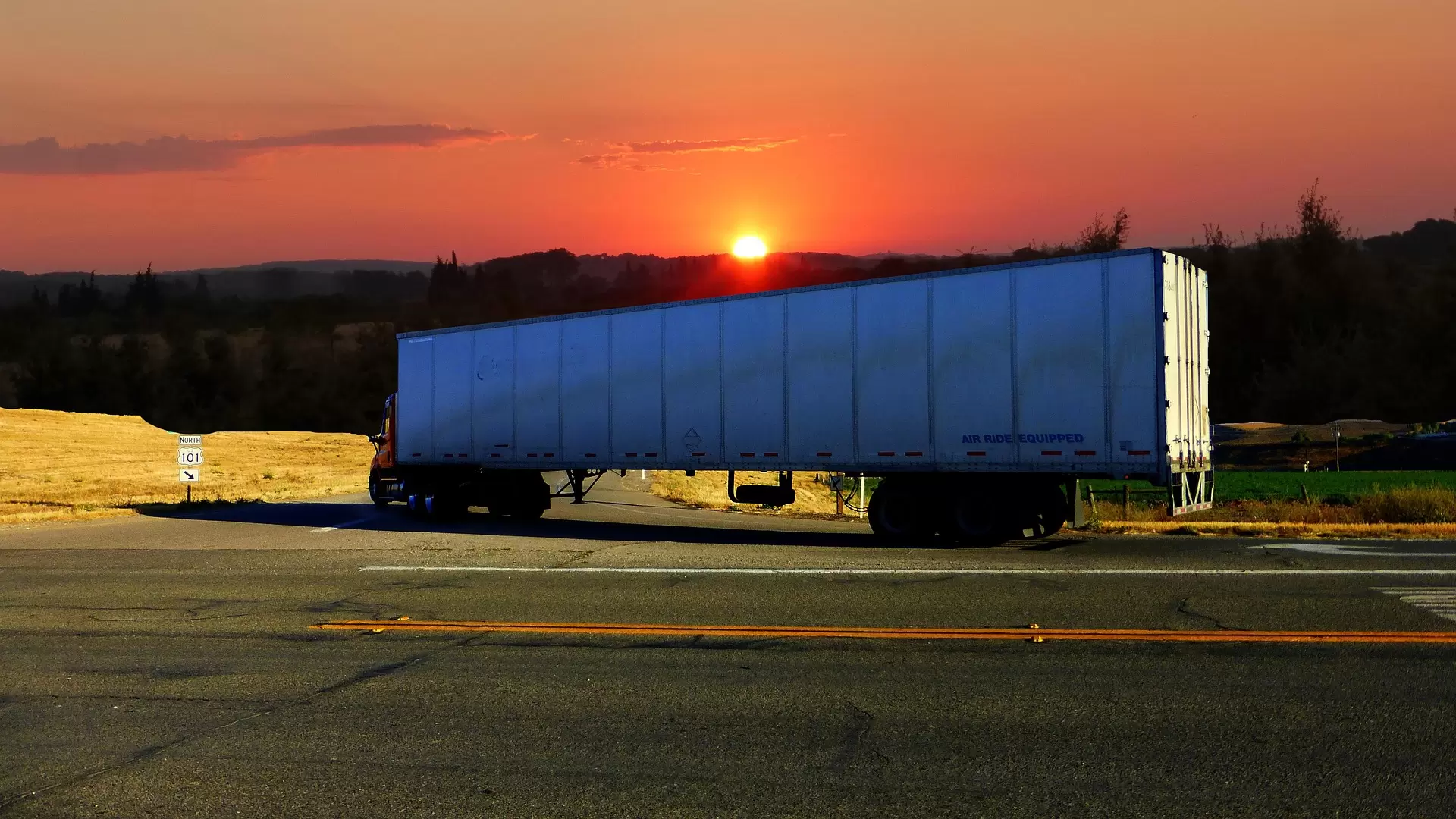
- Semi-trailers and truck trailers: curtainsiders, drop decks, tautliners, tankers, dog trailers
If you’re financing a semi-trailer or a B-double combination, the truck side of it is covered on our truck loans page, and it’s usually sensible to arrange the prime mover and the trailer together rather than separately. Our equipment finance page covers the wider category.
A note on camper trailers
This page is about work and commercial trailers. Camper trailers are a consumer purchase and are financed more like a caravan than a piece of plant, with different lenders, terms and criteria. If that’s what you’re after, our caravan loans page is the right place.
Why trailers are usually easy to finance
Trailers have several qualities lenders like: they’re simple mechanically, they depreciate slowly compared with vehicles, they have a strong second-hand market, and they carry an identifying number that can be registered against. A well-built trailer holds value for years, which makes it solid security.
The practical consequence is that trailer finance is often approved with less fuss than the vehicle pulling it, and that a used trailer is rarely a problem in itself.
Ready to get started?
Book a chat with an Asset Finance Broker at Treadgold Finance today.
Financing a trailer with the vehicle, or separately
Two situations come up constantly:
Buying both together. If you’re buying a ute or truck and a trailer at the same time, they can often be financed under one facility, which is simpler than two applications and two sets of payments. Say so up front, because adding the trailer after approval usually means starting again.
Adding a trailer later. A trailer bought on its own is financed on its own merits. Because the amounts are smaller than a vehicle, some lenders have minimum finance amounts that a modest trailer won’t reach, which is one of the few genuine obstacles in this category and a good reason to check before you commit to a purchase.
New versus used
Used trailers are financed routinely. Lenders assess age, condition, build quality and resale market, and because trailers age slowly, an older trailer in good order is often perfectly acceptable security. As with any asset, an older trailer may come with a shorter maximum term.
Custom and owner-built trailers are the exception worth flagging: without a recognised manufacturer and compliance plate, they can be harder to finance, because the lender’s security is harder to value and resell.
Buying privately
Plenty of trailers change hands privately. The same discipline applies as for any private asset purchase: check the Personal Property Securities Register against the trailer’s VIN or serial number to confirm no finance is owing on it. The register covers trailers as well as vehicles and plant. Search at ppsr.gov.au before you pay. If there is money owing, it’s paid out at settlement and the interest released.
Confirm registration status too. Trailers over a certain weight must be registered, and requirements differ between states, so check with your state transport authority before you buy.
The structures used
Chattel mortgage is the usual choice for a business: you own the trailer from day one and the lender registers a security interest. See chattel mortgages explained.
Finance lease or hire purchase where ownership timing or tax treatment suits better; see finance lease versus hire purchase.
For a trailer bought for private use rather than business, a consumer loan applies instead and the rules around disclosure and hardship are different.
What lenders assess
- The business: time trading, ABN and GST registration
- Serviceability, from financials, BAS or bank statements
- The trailer as security: type, age, condition, manufacturer, resale market
- Credit history, with directors’ guarantees standard on commercial lending
- The finance amount, against the lender’s minimum
If you can’t produce full financials, low doc business loans are assessed on bank statements, BAS or an accountant’s declaration instead, and who qualifies for a low doc business loan covers the criteria.
The tax side
A trailer bought for business use generally attracts deductions for depreciation and for the interest component of the finance, and in some years an immediate write-off applies to eligible assets under a threshold. Trailers often sit comfortably under that threshold where larger machinery does not, which makes the timing of a purchase worth a conversation. We’ve explained the mechanism in how the instant asset write-off works. Confirm the current position with your accountant.
Where a broker fits
The two things that trip up trailer finance are minimum finance amounts and custom-built units, and both are lender-specific. Knowing which lenders will write a smaller facility, and which will take an owner-built trailer as security, saves an application that was never going to be approved. Our equipment finance page sets out what we arrange, and asset finance explained covers how the category fits together.
This article is general information only and is not financial, tax or legal advice. Registration requirements are set by each state and territory. Lender criteria vary and change; confirm the tax treatment of any purchase with your accountant.
Damo Treadgold is the director of Treadgold Finance, an FBAA-accredited finance broker on the Sunshine Coast, arranging equipment, vehicle and business finance Australia-wide.
Frequently Asked Questions
Can you finance a trailer?
Yes. Trailers are straightforward security: they depreciate slowly, have a strong second-hand market and carry an identifying number. Work and commercial trailers are commonly financed as a chattel mortgage, lease or hire purchase.
Can I finance a trailer and a vehicle together?
Often yes, under one facility, which is simpler than two applications. Mention the trailer up front, because adding it after approval usually means starting the application again.
Is there a minimum amount for trailer finance?
Some lenders set a minimum finance amount, and a modest trailer may fall below it. This is the most common obstacle in this category, so check before committing to a purchase.
Can I finance a used trailer?
Yes. Trailers age slowly, so a used trailer in good condition is usually acceptable security. Older units may attract a shorter maximum term.
Yes. Trailers age slowly, so a used trailer in good condition is usually acceptable security. Older units may attract a shorter maximum term.
It can be harder. Without a recognised manufacturer and compliance plate, the lender’s security is more difficult to value and resell, so fewer lenders will consider it.
Should I check the register before buying a trailer privately?
Yes. The Personal Property Securities Register covers trailers. Search by VIN or serial number to confirm no finance is owing, and have anything outstanding paid out at settlement.