
Asset finance gets you the equipment your business needs without draining your working capital.
The real challenge isn't just getting the funding. It's choosing the right structure so the repayment schedule, tax treatment, and ownership terms actually support how your business operates. A chattel mortgage works well when you want to own the asset outright and claim depreciation. A finance lease makes sense when you'd rather upgrade every few years and avoid balloon payments. Getting this wrong means either tying up cash you need elsewhere or paying more tax than necessary.
How Asset Finance Preserves Working Capital
Asset finance lets you spread the cost of equipment over its useful life instead of paying upfront. You borrow the loan amount, the lender holds the asset as collateral, and you make fixed monthly repayments while using the equipment to generate revenue.
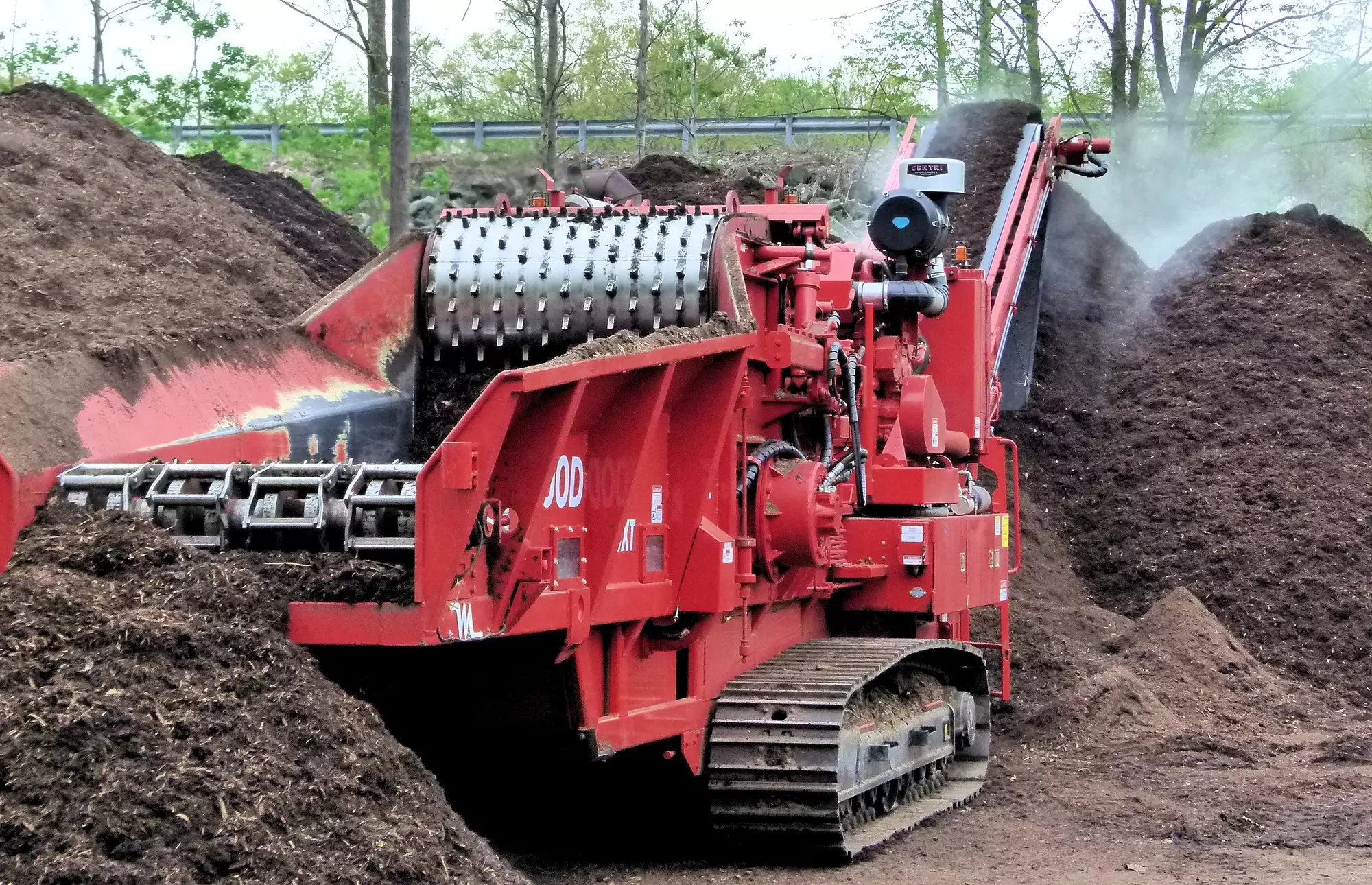
Consider a Canberra construction firm that needs a $120,000 excavator. Paying cash means pulling $120,000 from the business account. That's capital you can't use for payroll, materials, or unexpected costs. With equipment finance, you might put down 20% and finance the rest over five years. Your working capital stays intact, and the equipment pays for itself through the jobs it completes.
The GST treatment also matters. Under a chattel mortgage, you can claim the full GST credit upfront if you're registered for GST, which immediately improves cash flow by roughly 10% of the purchase price.
Chattel Mortgage vs Finance Lease
A chattel mortgage means you own the asset from day one, but the lender holds a mortgage over it until you've paid it off. You claim depreciation, pay interest, and can include a balloon payment at the end to reduce monthly costs. Once the loan is repaid, the asset is yours with no further obligations.
A finance lease means the lender owns the asset during the lease term. You make lease payments, claim the full payment as a tax deduction, and at the end of the lease you can buy the asset for a residual amount, refinance it, or hand it back and upgrade. This structure suits businesses that want to refresh equipment regularly without managing disposal.
The choice depends on whether you want ownership and depreciation benefits or flexibility and lower upfront commitment. For a medical practice buying diagnostic equipment that might be outdated in three years, a finance lease with a short term makes sense. For a transport business buying a truck it plans to run for a decade, a chattel mortgage with a balloon payment offers lower total cost and eventual ownership.
Structuring Repayments Around Your Cash Flow
Fixed monthly repayments make budgeting predictable, but the structure needs to match your revenue cycle. Seasonal businesses can negotiate repayment schedules that align with peak income periods, reducing pressure during quieter months.
A balloon payment reduces your monthly commitment by deferring part of the loan amount to the end of the term. If you're financing a $90,000 truck over four years with a 30% balloon, your monthly repayments are lower because you're only paying off 70% of the principal during the term. At the end, you either pay the $27,000 balloon, refinance it, or sell the truck and settle the balance.
This works well when you expect the asset to hold value or when you'd rather preserve cash flow now and deal with the residual later. It doesn't work if you can't cover the balloon and the asset has depreciated more than expected.
Ready to get started?
Book a chat with an Asset Finance Broker at Treadgold Finance today.
Tax Benefits and Depreciation
The tax treatment of asset finance depends on the structure. Under a chattel mortgage, you own the asset and claim depreciation each year based on the asset's effective life as set by the Australian Taxation Office. You also claim the interest portion of each repayment as a deduction.
Under a finance lease, you don't own the asset, so you can't claim depreciation. Instead, you claim the full lease payment as an operating expense, which can result in a higher deduction in the early years when depreciation rates are lower.
For a hospitality business buying $50,000 of kitchen equipment, a chattel mortgage lets you claim depreciation over the equipment's effective life, which might be five to ten years depending on the item. A finance lease lets you claim the full monthly payment immediately, which could be more beneficial if the business is profitable and wants to reduce taxable income quickly.
Your accountant should run both scenarios before you commit, because the difference in after-tax cost can be significant depending on your business structure and income.
Vendor Finance and Dealer Finance
Vendor finance is arranged directly through the equipment supplier, often as part of a sales promotion. Dealer finance works the same way but is usually offered by vehicle dealerships. Both can be convenient because the paperwork is handled at the point of sale, but the interest rate and terms are often less competitive than what you'd get by comparing business loans or commercial vehicle finance through a broker.
In our experience, businesses that accept vendor finance without comparing options often pay 1% to 3% more in interest, which adds up over a five-year term. If you're financing a $200,000 piece of machinery, that difference could cost $10,000 or more.
Vendor finance can still make sense if the supplier is offering a genuine discount or subsidy, but you should always get a comparison quote before signing.
When to Use a Hire Purchase
A hire purchase is similar to a chattel mortgage but with a key difference: you don't own the asset until the final payment is made. You have full use of it during the term, and once you've paid off the loan amount, ownership transfers to you.
This structure is common for commercial vehicle finance and construction equipment finance. It's straightforward, doesn't require a balloon payment unless you choose one, and the asset serves as collateral, which can make approval more accessible than an unsecured business loan.
For a Canberra logistics company buying a fleet of delivery vans, a hire purchase over four years means predictable repayments, full ownership at the end, and the ability to claim depreciation and interest. The vans are working assets that generate income, so the repayments are covered by the revenue they produce.
Access Asset Finance Options Across Multiple Lenders
No single lender offers the lowest interest rate or most suitable terms for every asset type and business situation. Banks tend to be competitive on low-risk assets like vehicles. Specialist lenders often have better options for niche equipment like medical devices, hospitality fit-outs, or technology infrastructure.
By working with a broker, you access asset finance options from banks and lenders across Australia without having to apply separately to each one. This is particularly useful in Canberra, where businesses range from government contractors needing office equipment to civil construction firms financing dozers and graders.
A broker also structures the application to highlight what lenders care about: cash flow, asset type, and how the equipment will be used. That increases your chances of approval and helps you secure terms that actually fit your business needs.
Upgrading Existing Equipment
Businesses that rely on technology or machinery with a short upgrade cycle often finance with the intention to refinance or trade up before the term ends. A three-year finance lease on a $60,000 fit-out for a Canberra cafe means the business can refresh the equipment in line with changing customer expectations without being locked into outdated assets.
This approach also applies to work vehicles and construction equipment. If you're financing a truck with a five-year term but expect to trade it at three years, structuring with a balloon payment that matches the expected trade-in value means you can settle the loan from the sale proceeds and move into a newer model without needing additional capital.
The key is to be realistic about residual values. If you set a 40% balloon on an asset that depreciates to 25% of its original value, you'll have a shortfall at trade-in time.
Final Thought Before You Apply
Asset finance should be structured around what the equipment does for your business, not just what you can technically afford to borrow. If the asset generates revenue or reduces operating costs, the repayments should be covered by that benefit. If it doesn't, you're borrowing to fund overhead, which puts pressure on cash flow rather than supporting it.
Call one of our team or book an appointment at a time that works for you. We'll compare your options, walk through the tax treatment, and structure the finance so it actually fits how your business operates.
Frequently Asked Questions
What's the difference between a chattel mortgage and a finance lease?
A chattel mortgage means you own the asset from day one and claim depreciation, while the lender holds a mortgage over it. A finance lease means the lender owns the asset during the term, and you claim the full lease payment as a tax deduction. Your choice depends on whether you want ownership and depreciation benefits or flexibility to upgrade.
How does a balloon payment work in asset finance?
A balloon payment defers part of the loan amount to the end of the term, reducing your monthly repayments. At the end, you either pay the balloon, refinance it, or sell the asset and settle the balance. It helps preserve cash flow during the loan term but requires planning to cover the final amount.
Can I claim tax deductions on financed equipment?
Yes, but the deduction depends on the structure. Under a chattel mortgage, you claim depreciation and the interest portion of repayments. Under a finance lease, you claim the full lease payment as an operating expense. Your accountant should compare both to determine which gives you the better after-tax outcome.
What types of assets can I finance for my business?
You can finance most business assets including vehicles, construction equipment, medical devices, hospitality fit-outs, office equipment, and technology. The asset serves as collateral, which often makes approval more accessible than unsecured business loans. Lenders assess based on the asset type, business cash flow, and how the equipment will be used.
Should I use vendor finance or apply through a broker?
Vendor finance is convenient but often has higher interest rates than what you'd get by comparing options through a broker. If you're financing a significant amount, a comparison quote could save you thousands over the loan term. Vendor finance can still make sense if the supplier is offering a genuine discount or subsidy.