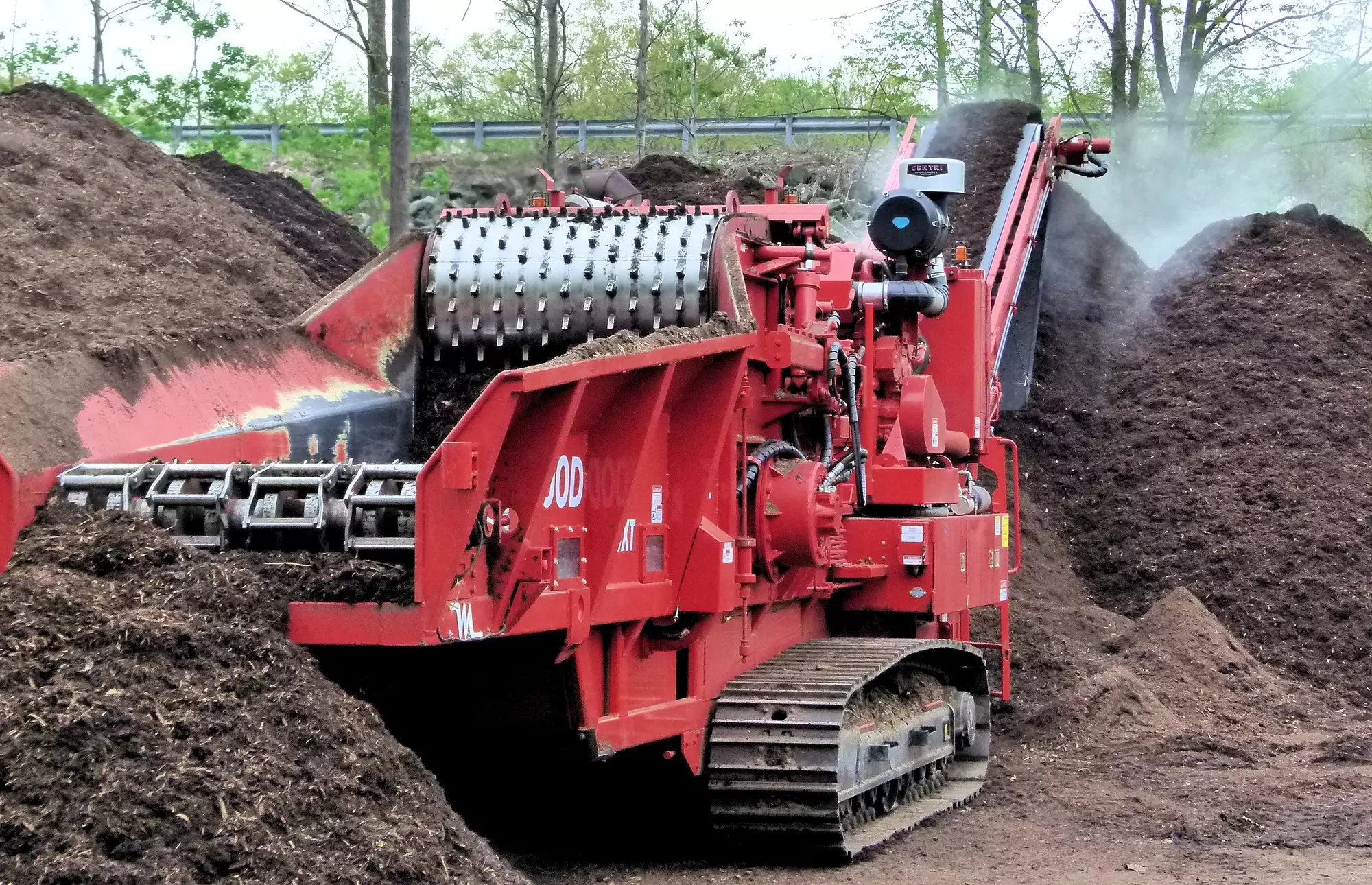

How Equipment Finance Works for Earthmoving Machinery
Equipment finance lets you buy excavators, graders, dozers, or other earthmoving machinery without paying the full amount upfront. You borrow the purchase price, use the equipment to generate income, and repay the loan over a set term with fixed monthly repayments. The equipment itself acts as collateral, which typically makes it faster to arrange than unsecured business lending.
For Toowoomba-based earthmoving contractors, this approach makes sense when you're pricing jobs for developments around Westbrook or infrastructure work on the ranges. You can quote with confidence knowing the machinery is already on site, rather than waiting until you've saved enough to buy outright. The loan amount usually covers the full purchase price, though some lenders prefer a deposit of 10% to 20% depending on whether you're buying new or used.
Consider a contractor who needs a 20-tonne excavator to service contracts in the Lockyer Valley and Darling Downs. Instead of tying up operating capital, they arrange finance over five years. The equipment starts earning from day one, the repayments are tax deductible, and the business keeps enough cashflow to cover wages, fuel, and other costs while the machine pays for itself.
Chattel Mortgage vs Hire Purchase
A chattel mortgage is the most common structure for buying earthmoving equipment when you're registered for GST. You own the machinery from day one, claim the GST back on the purchase price, and make monthly repayments over the agreed term. At the end of the loan, you often include a balloon payment to reduce the monthly cost, then own the equipment outright with no further obligation.
Hire purchase works differently. The lender owns the equipment until the final payment is made, which can suit contractors who want a straightforward arrangement without balloon payments. You still claim depreciation and the interest component as a tax deduction, but you don't claim the GST upfront because you're technically hiring the equipment until you own it at the end of the term.
Ready to get started?
Book a chat with an Asset Finance Broker at Treadgold Finance today.
For most operators buying excavators, graders, or dozers, a chattel mortgage delivers better cashflow because you claim the GST back immediately and structure a balloon to suit your trading cycle. Hire purchase suits businesses that prefer level payments and don't want to manage a residual at the end.
What Lenders Look for When You're Buying Earthmoving Equipment
Lenders assess the equipment, your business cashflow, and how long you've been trading. They want to see that the machinery will hold its value if they need to recover it, and that your business generates enough income to cover the repayments comfortably. Most lenders prefer earthmoving equipment that's less than 10 years old at the end of the loan term, though some will finance older machinery if it's well maintained and still has strong resale demand.
Your business financials matter more than your personal credit score, though both get reviewed. If you've been operating for two years or more with consistent revenue, you'll usually qualify without drama. Newer businesses can still access finance, but expect to provide a larger deposit or accept a higher interest rate until you build a track record.
In Toowoomba, where earthmoving contractors often work across residential subdivisions, rural infrastructure, and agricultural projects, lenders look for diversity in your client base. A contractor servicing multiple builders and councils will usually get approved faster than one relying on a single contract, simply because the risk is spread.
Financing Used vs New Earthmoving Equipment
New equipment attracts lower interest rates and longer loan terms because the lender's security is stronger. You might finance a new excavator or dozer over seven years, with the manufacturer's warranty covering most mechanical risk during the first few years. The downside is the upfront cost, even with finance, and the immediate depreciation once the machine leaves the yard.
Used equipment can be financed over shorter terms, typically three to five years depending on age and condition. The interest rate will be slightly higher, but the overall loan amount is lower, which can suit contractors who want to upgrade existing equipment without stretching repayments too far. The trade-off is higher maintenance costs and less certainty around resale value when the loan ends.
A Toowoomba operator upgrading from a 15-year-old dozer to a five-year-old model might finance over four years with a 20% balloon. The monthly cost is manageable, the equipment is reliable enough for another decade of work, and the business avoids the sharp depreciation that comes with buying new. At the end of the term, they either pay out the balloon or refinance into another machine.
Tax Deductions and Depreciation for Plant and Equipment Finance
The interest on your equipment loan is tax deductible, and you can claim depreciation on the machinery each year. For earthmoving equipment, the Australian Taxation Office typically allows depreciation over seven to ten years depending on the type of machinery and how heavily it's used. If you're using a chattel mortgage, you claim the full depreciation because you own the equipment from the start.
Some businesses benefit from the instant asset write-off or temporary full expensing, though eligibility depends on your turnover and the date of purchase. If you qualify, you can deduct the full cost of the equipment in the year you buy it, rather than spreading depreciation over multiple years. Your accountant will tell you whether this applies, but it's worth asking before you sign anything because it can significantly reduce your tax bill in the first year.
For contractors in Toowoomba working across agriculture and construction, the ability to deduct interest and depreciation makes equipment finance more tax effective than paying cash. You keep working capital available, claim back the cost over time, and the equipment generates income while you're paying it off.
How to Structure Repayments Around Your Cashflow
Fixed monthly repayments give you certainty, but they don't suit every business. If your work is seasonal or project-based, you might structure a balloon payment at the end of the term to reduce the monthly cost during quieter periods. A 30% to 40% balloon is common for earthmoving equipment, though you'll need to either pay it out, refinance it, or trade the machinery in when the loan ends.
Some lenders offer flexibility around payment frequency. Monthly is standard, but if you invoice quarterly or have contracts that pay in stages, you might arrange quarterly repayments instead. The total interest cost will be similar, but the timing aligns better with how money actually moves through your business.
A contractor working on council infrastructure projects around Toowoomba might structure repayments to match contract milestones. If payments come through every six weeks, a monthly repayment schedule works. If the contracts are longer with staged invoicing, a quarterly structure or a larger balloon might make more sense.
When to Refinance or Upgrade Earthmoving Equipment
Refinancing makes sense when interest rates have dropped, your business has grown, or you want to consolidate multiple equipment loans into one. If you financed a grader three years ago and rates have shifted, you might save enough on interest to justify the effort of switching lenders. Refinancing also lets you access equity in equipment you've already paid down, which can fund another purchase without starting from scratch.
Upgrading before the loan ends is common in earthmoving. If you're halfway through a five-year loan on an excavator and a newer model will cut fuel costs or increase productivity, you can trade the existing machine, pay out the loan, and finance the replacement. The numbers need to stack up, but it's often more practical than running old equipment into the ground and dealing with downtime.
Toowoomba contractors managing fleets of dozers, excavators, or graders often refinance to align loan terms and simplify cashflow. Instead of juggling three separate repayments, they consolidate into one loan with a single monthly cost. It's less admin, and it makes budgeting more predictable when you're quoting jobs months in advance.
Accessing Equipment Finance Options from Banks and Lenders Across Australia
You're not limited to local lenders. Working with a finance broker gives you access to commercial equipment finance options from banks, specialist lenders, and equipment manufacturers across Australia. Some lenders focus on plant and equipment finance for construction, others prefer agricultural machinery, and a few specialise in used equipment or contractors with shorter trading histories.
Manufacturers sometimes offer finance through their own divisions, and the rates can be sharp if you're buying new. The trade-off is less flexibility around loan structure and less room to negotiate. A broker can compare manufacturer finance against what the broader market offers, then recommend whichever delivers the better outcome once you factor in interest rate, fees, and flexibility.
For Toowoomba businesses buying excavators, graders, or other earthmoving machinery, access to multiple lenders means you're not stuck with whoever your bank suggests. You get the loan amount and term that suits your business needs, not just what one lender is willing to offer.
Call one of our team or book an appointment at a time that works for you. We'll compare equipment finance options, structure the loan around your cashflow, and get the paperwork sorted without the back and forth.
Frequently Asked Questions
What type of finance works for buying excavators and earthmoving equipment?
A chattel mortgage is the most common structure because you own the equipment from day one, claim the GST back immediately, and can include a balloon payment to reduce monthly costs. Hire purchase is an alternative if you prefer level repayments without a residual at the end.
Can I finance used earthmoving equipment?
Most lenders will finance used excavators, dozers, and graders as long as the equipment is less than 10 years old at the end of the loan term. Rates are slightly higher than new equipment, and loan terms are typically shorter, but it's a practical way to upgrade without the cost of buying new.
How does equipment finance affect my tax?
The interest on the loan is tax deductible, and you can claim depreciation on the machinery each year. If you're using a chattel mortgage, you own the equipment from the start and claim the full depreciation, which makes it more tax effective than paying cash.
What do lenders look for when financing earthmoving machinery?
Lenders assess the equipment's age and resale value, your business cashflow, and how long you've been trading. Most prefer businesses operating for at least two years, but newer contractors can still qualify with a larger deposit or slightly higher rate.
Can I structure repayments around project-based income?
You can include a balloon payment to reduce monthly costs, or arrange quarterly repayments if your contracts pay in stages. Fixed monthly repayments are standard, but lenders will adjust the structure if your cashflow doesn't suit a monthly schedule.