
Commercial Vehicle Finance Covers More Than Just Utes
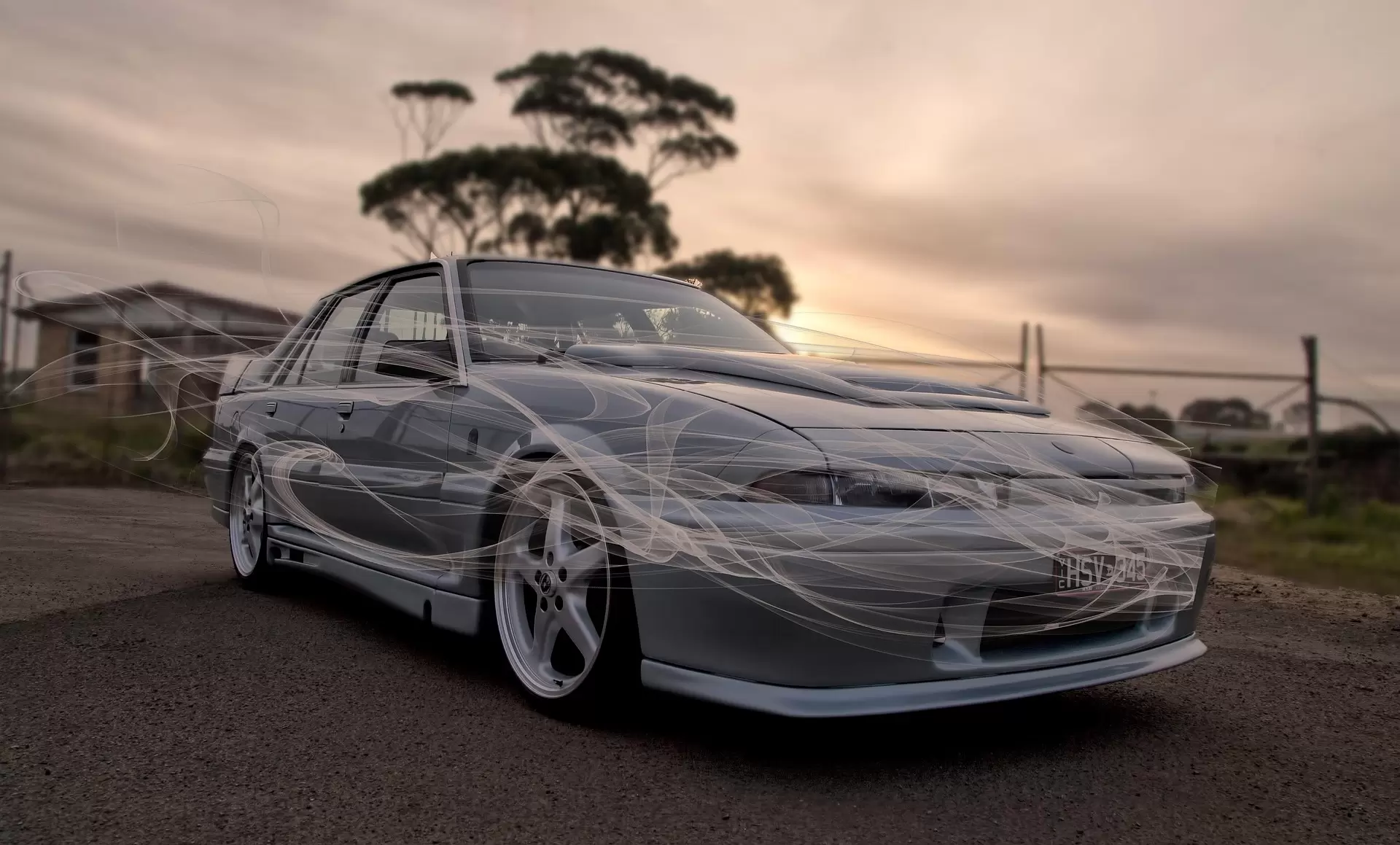
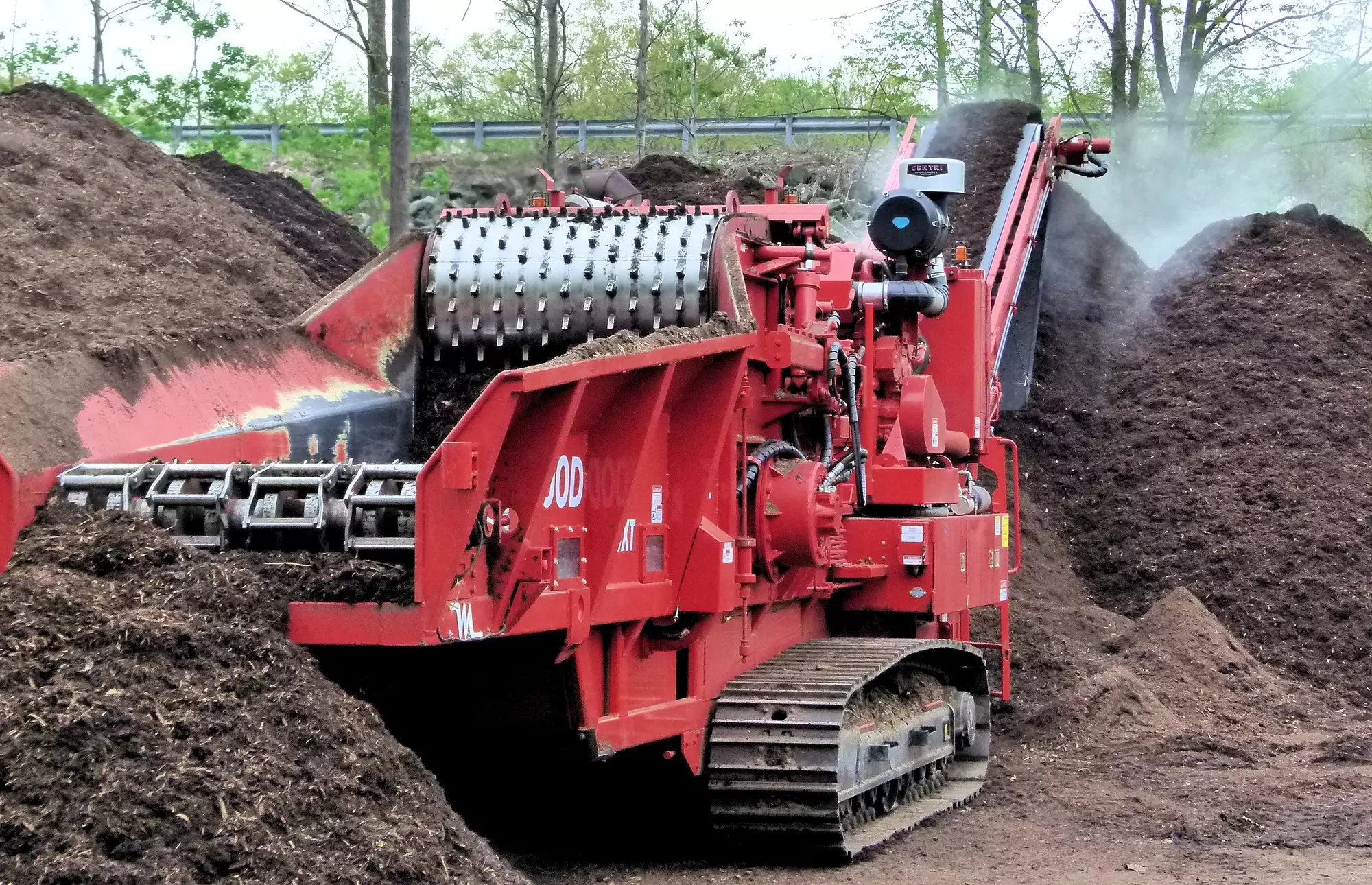
Commercial vehicle finance applies to any vehicle or machinery you use in your business. That includes trucks, trailers, excavators, tractors, graders, cranes, dozers, delivery vans, and everything in between. If it moves goods, people, or dirt, it can be financed.
In Gladstone, where mining, construction, and industrial work dominate the local economy, the demand for work vehicles and specialised machinery runs high. Buying outright ties up capital that most businesses would rather keep available for stock, wages, or unexpected costs. Finance lets you spread the purchase over several years while the equipment starts earning from day one.
The choice between buying new equipment or upgrading existing equipment often comes down to whether you can access the right finance structure. A chattel mortgage suits most businesses that want to own the asset, claim depreciation, and manage GST upfront. A hire purchase works if you prefer not to handle the GST component yourself. A finance lease or operating lease makes sense when you plan to upgrade on a cycle and prefer not to own the asset long term.
How a Chattel Mortgage Works for Vehicles and Machinery
A chattel mortgage is a loan secured by the vehicle or equipment you're buying. You take ownership from day one, the lender registers security over the asset, and you make fixed monthly repayments over an agreed term, usually between one and seven years.
You can claim the full GST on the purchase upfront, provided you're registered for GST. You can also claim the interest on the loan and depreciation on the asset. At the end of the term, you can include a balloon payment to reduce the monthly cost. That balloon might be 20% to 40% of the original loan amount, depending on the lender and the term.
Consider a transport operator in Gladstone buying a truck to service contracts with the port and industrial sites. The operator uses a chattel mortgage with a five-year term and a 30% balloon payment. The truck generates income immediately, the monthly repayments stay within the business cashflow, and the balloon gets refinanced or paid out from revenue at the end of the term. The business claims depreciation each year and treats the interest as a deductible expense.
Hire Purchase vs Chattel Mortgage
Hire purchase and chattel mortgage both result in ownership, but the GST treatment differs. With hire purchase, the GST is spread across the repayments rather than paid upfront. You don't own the asset until the final payment, but you have full use of it from day one.
This structure suits businesses that prefer not to pay the GST upfront or that aren't registered for GST. It also suits operators who want the tax benefits of ownership without the administrative load of a chattel mortgage. The trade-off is that you can't claim depreciation until you take ownership at the end of the term, though you can claim the repayments as a business expense in some cases. Your accountant will confirm what applies to your situation.
For construction businesses around Gladstone, hire purchase is often the choice for excavators, loaders, and other high-value machinery. The monthly cost is predictable, the equipment is insured and maintained by the business, and ownership transfers once the final payment clears.
Ready to get started?
Book a chat with an Asset Finance Broker at Treadgold Finance today.
Leasing Options When Ownership Isn't the Goal
A finance lease or operating lease keeps the asset off your balance sheet. The lender owns the equipment, you pay a fixed monthly amount for the right to use it, and at the end of the lease term you either upgrade, extend, or buy the asset at market value.
Leasing suits businesses that prefer to upgrade on a regular cycle, such as fleet operators or businesses that rely on the latest equipment for compliance or efficiency. You don't claim depreciation, but you do claim the lease payments as an operating expense. The lease term typically runs three to five years, though longer terms are available for heavy machinery.
In sectors where technology moves quickly or equipment wears hard, leasing lets you avoid holding a depreciating asset. You return the vehicle or machinery at the end of the term and move into a replacement without managing the trade-in or resale process.
Balloon Payments and Cashflow Management
A balloon payment reduces your fixed monthly repayments by deferring a portion of the loan to the end of the term. The balloon is usually expressed as a percentage of the loan amount, and lenders set maximum limits depending on the asset type and term length.
For most commercial vehicles, the balloon can range from 20% to 50%. For machinery with a longer working life, the balloon might be lower. The balloon helps preserve working capital during the term, but you need a plan for how to handle it when the loan matures. That might mean refinancing the balloon, selling the asset and paying it out, or using cash reserves.
Businesses that experience seasonal revenue or uneven cashflow benefit from a structured balloon. A contractor might align the balloon payment with the end of a major contract or a period of higher income. The monthly cost stays manageable, the equipment stays productive, and the business has time to build the funds needed to close out the loan.
Tax Benefits and Depreciation for Business Assets
When you buy a vehicle or equipment using a chattel mortgage or hire purchase, the tax benefits include depreciation deductions and interest expense claims. Depreciation is calculated based on the effective life of the asset, which varies depending on what you're buying. A truck might depreciate over seven to ten years, while a trailer or light vehicle might follow a different schedule.
The instant asset write-off scheme has changed several times, and thresholds vary depending on business size and the date of purchase. Your accountant will confirm what applies. Even without immediate write-off, depreciation reduces taxable income over the life of the asset, which helps offset the cost of ownership.
Interest on the loan is deductible in the year it's paid, and if you've structured the loan with a balloon payment, the interest on the balloon is also deductible when refinanced or paid out. The combination of depreciation and interest deductions can make financing more tax-effective than paying cash, depending on your business structure and income.
Vendor Finance and Dealer Finance
Vendor finance and dealer finance are arrangements where the seller or manufacturer offers finance directly, often at promotional rates or with incentives. These deals can look attractive, but the interest rate isn't always the lowest available, and the terms may include conditions that don't suit your business.
Before committing to vendor finance, compare the rate and structure against what's available through commercial equipment finance from other lenders. A broker can access asset finance options from banks and lenders across Australia, which means you're not limited to the dealer's preferred lender. In many cases, a lower interest rate or more flexible terms will save more than any dealer incentive.
Vendor finance works well when the rate is genuinely competitive and the terms align with your cashflow. It works less well when the rate is inflated to cover the cost of the incentive or when the balloon payment is set higher than you'd prefer.
How Asset Finance Preserves Working Capital
Buying a truck, trailer, or excavator outright can drain tens or hundreds of thousands from your business account. That capital could otherwise cover stock, wages, insurance, or unexpected repairs. Asset finance spreads that cost over several years, which means the equipment pays for itself while the business maintains liquidity.
For Gladstone businesses operating in industries with tight margins or cyclical demand, preserving capital is often more important than avoiding interest. A contractor who buys a grader outright might save on interest, but if the next month brings a cash shortfall, the business has no buffer. Financing the grader at a fixed monthly repayment keeps the cash available for other priorities and reduces the risk of short-term strain.
The cost of finance is a trade-off for flexibility. The interest rate reflects the risk the lender takes, the term you choose, and the type of asset you're buying. Rates vary, but the value is in what the business can do with the capital it keeps on hand.
Fleet Finance for Multiple Vehicles
Fleet finance covers multiple vehicles under a single agreement or a series of linked agreements. This structure suits businesses that operate delivery vans, service vehicles, or trucks across several sites or contracts. You can stagger the purchase dates, align the terms so vehicles are replaced on a cycle, and negotiate volume pricing with lenders or dealers.
Managing a fleet on finance requires coordination between replacement schedules, contract terms, and cashflow forecasts. A logistics business in Gladstone might finance five trucks with overlapping terms, so one or two vehicles are paid off or refinanced each year. That spreads the balloon payments and keeps the fleet fresh without a large capital outlay every few years.
Fleet finance also simplifies administration. One point of contact, one set of documents, and one monthly payment schedule across the fleet. Some lenders offer fleet management tools that track repayments, residual values, and upcoming balloon dates, which helps with planning and budgeting.
Applying for Commercial Vehicle Finance
Lenders assess commercial vehicle finance applications based on the business's financial position, trading history, and the asset being purchased. They want to see recent financials, bank statements, and evidence that the business can service the repayments. If the business is new or doesn't have two years of trading history, low doc business loans or alternative structures might apply.
The application process typically takes a few days once documents are submitted. The lender values the asset, confirms the supplier details, and issues a formal approval with the rate, term, and any conditions. Once approved, settlement happens quickly, and the vehicle or equipment can be delivered.
Working with a broker gives you access to a wider range of lenders and structures. Some lenders specialise in trucks and heavy machinery, others focus on light commercial vehicles or technology equipment. A broker matches your business needs to the lender most likely to approve on terms that work for your cashflow and budget. You can find more detail on how equipment finance works through our equipment finance page, or explore options for trucks specifically on our truck loans page.
If you're buying vehicles or machinery for your Gladstone business and want to understand what finance structures are available, call one of our team or book an appointment at a time that works for you.
Frequently Asked Questions
What types of vehicles and equipment can be financed?
Commercial vehicle finance covers trucks, trailers, excavators, tractors, graders, cranes, dozers, delivery vans, and any other vehicle or machinery used in your business. If it's used to generate income or support business operations, it can typically be financed.
What is the difference between a chattel mortgage and hire purchase?
A chattel mortgage lets you claim the GST upfront and own the asset from day one, while hire purchase spreads the GST across the repayments and you take ownership at the end. Both result in ownership, but the tax treatment and cashflow impact differ.
How does a balloon payment work on commercial vehicle finance?
A balloon payment is a lump sum deferred to the end of the loan term, reducing your fixed monthly repayments. The balloon is typically 20% to 50% of the loan amount and can be refinanced, paid from cash reserves, or settled by selling the asset.
Can I finance multiple vehicles under one agreement?
Yes, fleet finance lets you finance multiple vehicles under a single agreement or linked agreements. This structure suits businesses that operate several vehicles and want to manage repayments and replacement schedules efficiently.
What do lenders look for when assessing a commercial vehicle finance application?
Lenders assess your business's financial position, trading history, and the asset being purchased. They typically require recent financials, bank statements, and evidence that the business can service the repayments.