Healthcare equipment is expensive, heavily regulated and dates faster than most business assets. That combination shapes how it gets financed: leasing is more common here than in other industries, fitouts need different treatment from equipment, and lenders often view established practitioners differently from other borrowers. Here’s how medical and dental equipment finance works in Australia.
What gets financed
- Dental: chairs and delivery units, OPG and CBCT imaging, intraoral scanners, milling units, autoclaves and sterilisation
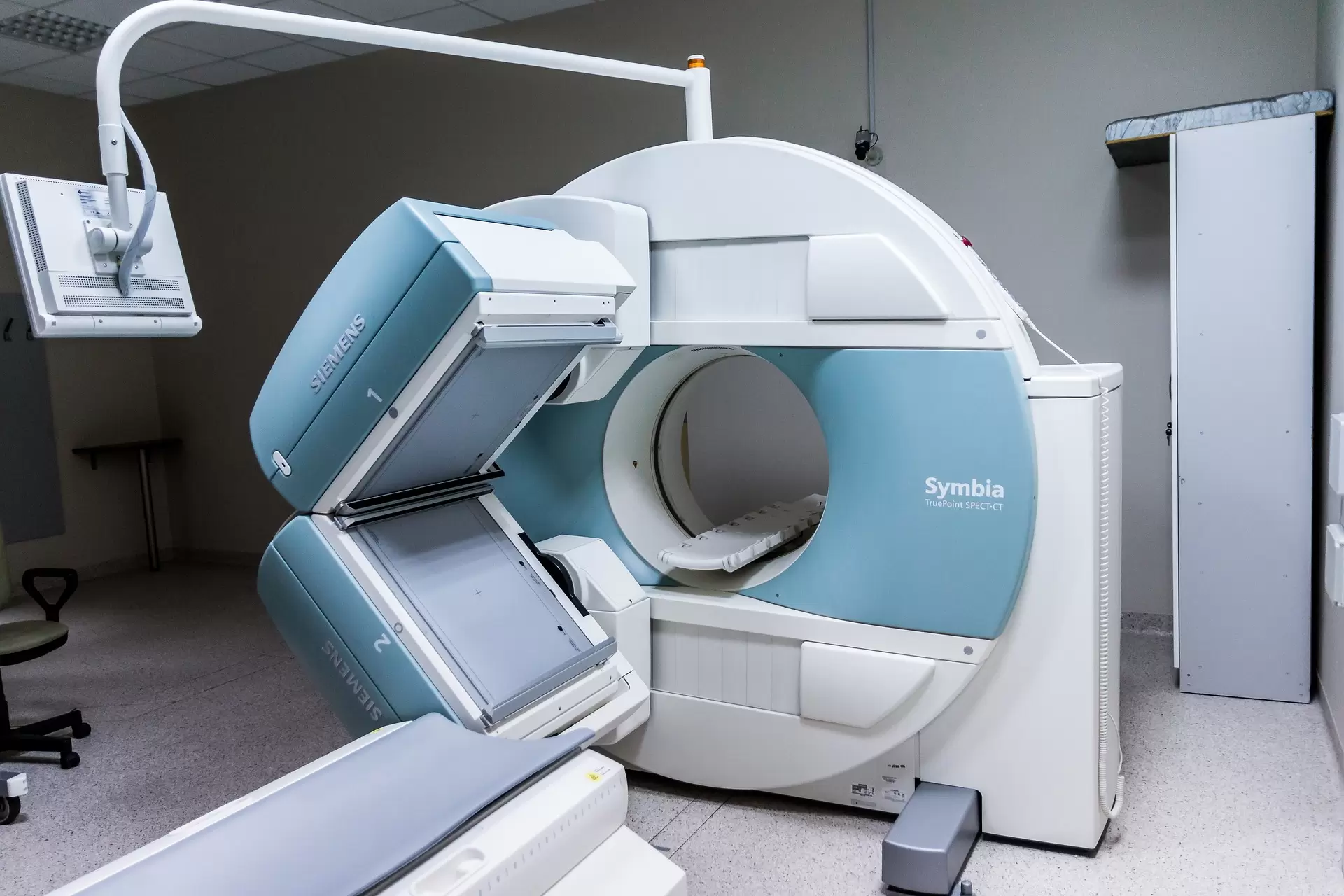
- Medical and specialist: ultrasound, x-ray and imaging, ECG and monitoring, surgical and procedural equipment, examination furniture
- Allied health: physiotherapy, chiropractic and rehabilitation equipment, podiatry chairs, optometry and audiology equipment
- Veterinary: surgical tables, imaging, anaesthetic machines, laboratory equipment
- Practice infrastructure: sterilisation rooms, compressors and suction plant, practice management systems and IT
- Fitout: cabinetry, plumbing and electrical for surgeries, waiting room and reception
Our equipment finance page covers the wider category.
Buy or lease, and why leasing is common here
In most industries a business buys the asset and keeps it. In healthcare the calculation is different, because imaging and digital equipment can be superseded well before it wears out, and practices compete partly on having current technology.
Chattel mortgage suits equipment you expect to keep and use for its full working life: chairs, sterilisers, furniture, plant. You own it from day one and the lender registers a security interest. See chattel mortgages explained.
Finance lease or hire purchase where ownership timing or the tax treatment suits better; see finance lease versus hire purchase.
Operating lease or rental suits equipment you expect to replace: imaging, scanners, anything where the next generation changes what you can offer. You pay for use rather than ownership, and you hand it back or upgrade at the end. It usually costs more over the life of the asset, and it buys flexibility rather than equity. Which is right depends on how quickly that specific equipment dates, and it’s worth deciding item by item rather than financing a whole surgery one way.
Ready to get started?
Book a chat with an Asset Finance Broker at Treadgold Finance today.
Fitout is a different problem
This trips up practices planning a new surgery. Equipment can be security; a fitout largely cannot. Cabinetry, plumbing, partitioning and electrical work are attached to a premises you probably lease, and they have little resale value to a lender. That means the fitout portion is often funded differently from the equipment portion: as an unsecured business loan, or secured against something else, rather than against the fitout itself.
The practical approach is to split the project: finance the equipment against the equipment, and fund the fitout separately. Our business loans page covers the unsecured side. Trying to do the whole thing as one equipment facility is a common reason a practice fitout application stalls.
New practices and buying in
Two situations come up regularly:
Starting a practice. No trading history, significant upfront cost, and income that builds over the first year. What helps is a business plan with realistic patient numbers, evidence of your qualifications and experience, a clear split between equipment and fitout, and a deposit where possible. Some lenders take a favourable view of established health professionals with strong earning histories, though criteria differ and nothing is automatic.
Buying into an existing practice. This usually involves goodwill and business acquisition finance alongside the equipment, which is a different conversation from a straight equipment purchase and typically needs the practice’s financials.
How the practice is structured matters for who borrows and who guarantees, particularly for partnerships and companies; our guide to how your business structure affects finance sets that out.
What lenders assess
- Qualifications and registration, and time practising
- The practice: time trading, ABN and GST registration, patient base
- Serviceability, from financials, BAS or bank statements
- The equipment as security: type, expected life, resale market. Specialist equipment with a thin second-hand market is assessed more conservatively than a dental chair
- Credit history, with directors’ or partners’ guarantees standard
- The equipment versus fitout split
Newer practices that can’t produce full financials aren’t shut out: low doc business loans are assessed on bank statements, BAS or an accountant’s declaration, and who qualifies for a low doc business loan covers the criteria.
Used and refurbished equipment
Refurbished dental and medical equipment is a real market, and it can be financed, though lenders look closely at age, servicing, and whether the equipment remains supported by the manufacturer. Support matters more here than in most categories: equipment that can no longer be serviced or calibrated is difficult security regardless of its condition. If you’re buying privately or from a closing practice, search the Personal Property Securities Register at ppsr.gov.au against the serial numbers to confirm nothing is owing, and make the payout of any registered interest a condition of the contract.
The tax side
Equipment bought for the practice generally attracts deductions for depreciation and for the interest component of the finance, and in some years an immediate write-off applies to eligible assets under a threshold, tested against total cost rather than the business-use portion. Lease and rental payments are treated differently again, which is part of why the buy-or-lease decision belongs with your accountant. We’ve explained the write-off mechanism in how the instant asset write-off works.
Where a broker fits
The two things that decide these deals are the equipment-versus-fitout split and whether the lender understands healthcare. A lender that regularly funds practices reads a new surgery’s projections very differently from one that doesn’t, and structuring the project correctly before it goes anywhere is most of the work. Our equipment finance and business loans pages set out what we arrange, Australia-wide.
This article is general information only and is not financial, tax or legal advice. Lender criteria vary and change; confirm the tax treatment of any purchase or lease with your accountant.
Damo Treadgold is the director of Treadgold Finance, an FBAA-accredited finance broker on the Sunshine Coast, arranging equipment, practice and business finance Australia-wide.
Frequently Asked Questions
Can medical and dental equipment be financed?
Yes. Chairs, imaging, sterilisation, allied health and veterinary equipment are all financed, as a chattel mortgage, lease, hire purchase or rental depending on how long you expect to keep the equipment.
Is it better to buy or lease medical equipment?
It depends on the item. Equipment you will keep for its full life, such as chairs and sterilisers, usually suits ownership. Equipment that dates quickly, such as imaging and scanners, often suits an operating lease or rental. Decide item by item, with your accountant.
Can I finance a practice fitout?
Usually not as equipment finance. Cabinetry, plumbing and partitioning are attached to leased premises and have little resale value, so lenders rarely take them as security. Fitouts are commonly funded as an unsecured business loan alongside equipment finance.
Can I get finance for a new practice with no trading history?
Often yes. A realistic business plan, evidence of qualifications and experience, a clear equipment and fitout split, and a deposit all help. Criteria differ between lenders.
Can refurbished medical equipment be financed?
Often yes, subject to age, service history and whether the manufacturer still supports it. Equipment that can no longer be serviced or calibrated is difficult security.
Who signs for practice equipment finance?
It depends on the structure. Sole traders sign personally; companies and partnerships usually involve directors’ or partners’ guarantees. Confirm before you apply.