
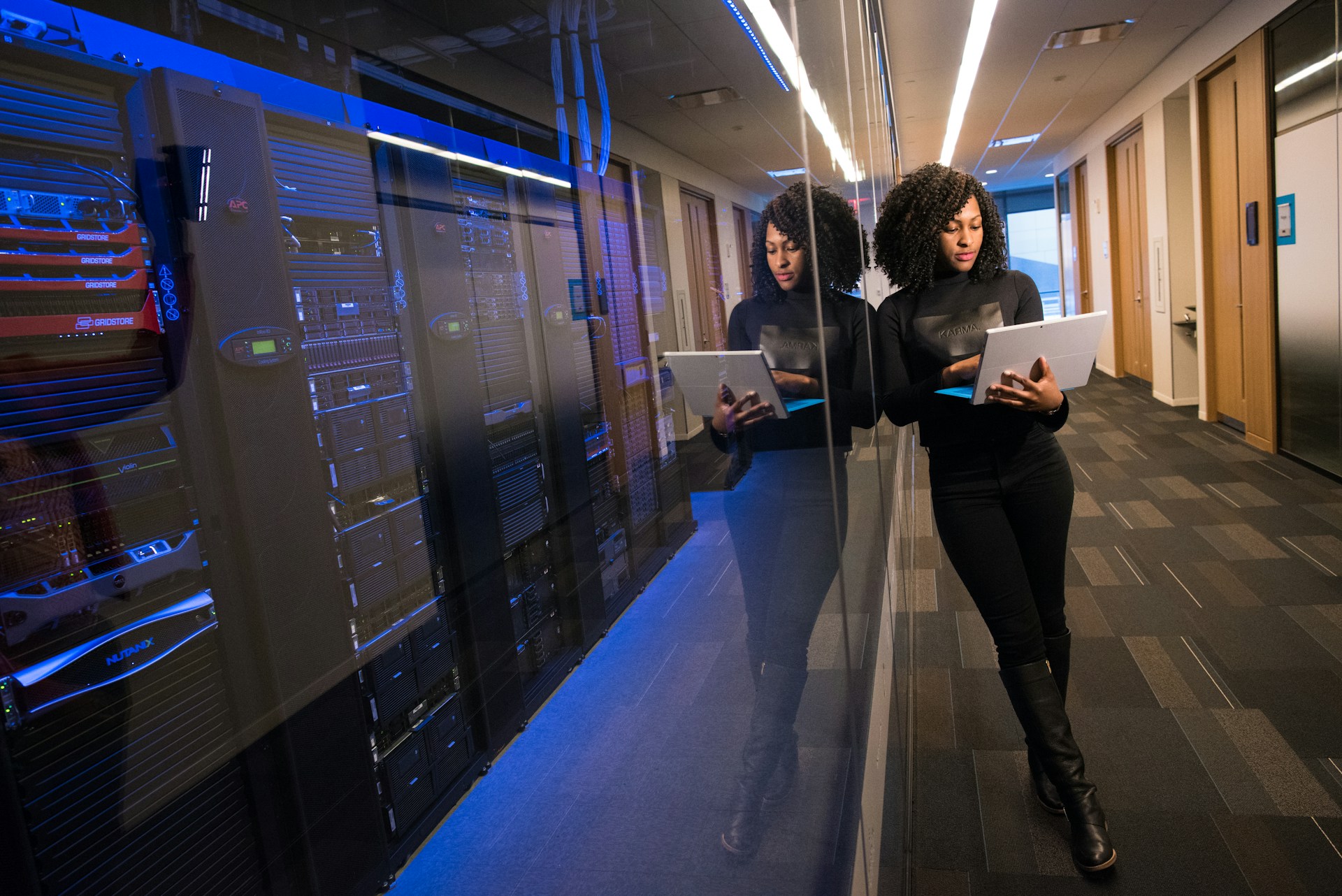
Technology runs your business. The servers, the POS terminals, the laptops, the security cameras, the new dashboard software your team has been asking for — all of it costs money, and all of it goes obsolete on a faster cycle than almost any other business asset. Paying for it all upfront in one hit ties up cash you'd rather keep working in the business. That's the gap technology finance fills.
This guide covers how technology finance works in Australia, what your real options are, the structural difference between chattel mortgage and operating lease, and what a finance broker actually contributes to the process.
What is technology finance?
Technology finance is asset finance used to purchase business technology — including computer hardware, servers, software systems, point-of-sale equipment, security and surveillance systems, and other digital infrastructure. Instead of paying the full cost upfront and tying up working capital, the cost is spread over fixed monthly repayments. Most technology finance is structured as either a chattel mortgage or an operating lease, depending on whether the business wants to own the equipment outright.
Why finance technology rather than buy outright
Cash preservation is the obvious reason, but it's not the only one. There are four real benefits to financing technology instead of paying cash:
Cashflow stays intact. Working capital is the lifeblood of operations. Capital outlay on a major tech purchase takes money out of the business immediately; the same equipment financed becomes a predictable monthly amount that the equipment usually earns back from day one.
Tax efficiency. Depending on the finance structure, you can claim GST upfront, depreciate the asset, or deduct lease payments as a full business expense. This isn't a tax dodge — it's standard treatment that aligns the cost of the equipment with the revenue it generates. Worth running the numbers with your accountant.
Upgrade flexibility. Technology obsolesces on 2-5 year cycles. Operating leases in particular let you build technology refresh into the business model rather than carrying outdated equipment because you "already paid for it."
Predictable monthly cost. Fixed monthly repayments are easier to budget than lumpy capital expenditure decisions. Finance turns a big-ticket decision into a single monthly line item that your accountant can plan around.
Types of technology finance available
Chattel mortgage
You own the technology from day one. The lender takes the equipment as security for the loan, you make fixed monthly repayments, and at the end of the term you own the asset outright with no balloon, or with a balloon residual if the deal is structured that way. GST is claimable upfront if you're GST registered.
Operating lease
The lender owns the equipment throughout the lease term, and you pay for the right to use it. The full lease payment is typically tax-deductible as a business expense, and the equipment doesn't sit on your balance sheet. At the end of the lease, you return the equipment, renew the lease, or sometimes negotiate to purchase it.
Hire purchase
A middle ground — the lender retains ownership during the loan, but you take ownership at the final payment. GST is included in each repayment rather than claimed upfront. Less common for technology than chattel mortgage but occasionally the right structure.
Rental agreements
For consumables and short-life equipment — typically rolling arrangements with no equity build-up. Suits things like laser printers, where the manufacturer often bundles toner and servicing into the rental fee.
Ready to get started?
Book a chat with an Asset Finance Broker at Treadgold Finance today.
Chattel mortgage vs operating lease for technology equipment
The biggest structural decision when financing technology equipment is whether to own the asset or rent it for a period. The two main paths — chattel mortgage and operating lease — produce very different outcomes on your balance sheet, tax position, and what happens at the end of the term.
A chattel mortgage gives you ownership of the technology from day one. The loan is secured against the equipment itself, and you can claim the GST upfront if you're GST registered. You depreciate the asset across its useful life, and the interest portion of each repayment is tax-deductible as a business expense. At the end of the term, you own the equipment outright. This structure works well for technology you intend to keep and use beyond the loan term — servers, point-of-sale hardware, security systems, custom-fitted equipment.
An operating lease is closer to long-term rental. The lender owns the asset throughout the lease, and you pay for the right to use it. The full lease payment is typically tax-deductible as a business expense, and the asset doesn't sit on your balance sheet — which can matter for ratios reported to lenders or investors. At the end of the lease, you return the equipment, renew the lease, or sometimes negotiate to purchase it. This structure suits fast-moving technology that you'll want to refresh every 2-3 years anyway — laptops, mobile devices, software bundled with hardware.
Which one is right depends on three things: how long you'll use the technology before it's obsolete, whether you want the asset on your balance sheet, and your business's current tax position. An equipment finance broker can run both scenarios alongside each other so you can see the actual numbers before deciding.
What you can finance
Most Australian lenders will fund a broad range of business technology, including:
- Computing hardware — desktops, laptops, workstations, monitors
- Servers and networking — physical servers, rack equipment, network switches, firewalls, routers
- Point-of-sale systems — POS terminals, payment systems, kitchen display systems for hospitality
- Security and surveillance — CCTV, access control, alarm systems, IP camera networks
- Audio-visual and presentation — meeting room AV, digital signage, conference equipment
- Specialised business technology — medical imaging equipment, engineering CAD workstations, design studio gear
- Software systems — when bundled with hardware. Most stand-alone subscription software isn't financeable as asset finance, but ERP rollouts, custom system implementations, and SaaS-with-hardware bundles often are
Minimum loan sizes vary by lender. For very small purchases, a business line of credit or credit card often makes more sense than a structured finance arrangement.
How a finance broker helps with technology finance
You could go straight to a bank, and some businesses do. But there are three things a broker contributes that direct-to-bank applications don't:
Multiple structures compared. Chattel mortgage, operating lease, hire purchase — same equipment, very different finance shapes and tax outcomes. A broker runs both scenarios alongside each other so you can see the actual numbers before deciding.
Lender appetite mapping. Not all lenders fund all technology categories. Some have a strong appetite for hospitality POS systems; others won't touch them. Some specialise in healthcare equipment; others focus on general business IT. A broker who's placed hundreds of technology finance deals knows which lender to approach for which equipment type, which dramatically reduces declined applications and credit enquiry footprint.
Deal structuring. Loan term, deposit amount, balloon residual, secured vs unsecured — small structural choices change your total cost meaningfully over the life of the deal. A broker optimises for your actual business situation rather than the lender's preferred shape.
Treadgold Finance is an asset finance brokerage based on the Sunshine Coast in Queensland, with access to most major Australian asset finance lenders. We arrange technology finance for businesses across QLD, NSW and Victoria — covering everything from single-server installations to multi-site IT rollouts.
Frequently Asked Questions
Can I finance second-hand or refurbished technology?
Yes, though the lender pool is narrower. Most lenders will fund second-hand technology up to a certain age (typically 3 to 5 years from manufacture). Refurbished equipment from reputable suppliers is usually treated the same as second-hand. Custom or one-off used technology purchases can be harder to place because the asset valuation is more difficult.
What documents do I need to apply for technology finance?
For straightforward applications: company ABN registration, bank statements covering the last 90 days, BAS for the last 4 quarters if GST registered, and details of the equipment being financed including a supplier quote or invoice. For larger or more complex deals, the lender may also request financial statements and a forward cashflow projection.
How long does technology finance approval take?
For a clean application — established business, good credit history, mainstream technology — most lenders provide formal approval within 24 to 72 hours. More complex deals such as new businesses, larger amounts, or specialised equipment can take 3 to 5 business days.
Can I finance technology for a new business?
Possible but harder. Most lenders prefer businesses with 12+ months of trading history because they assess applications partly on prior cashflow patterns. Newer businesses may need to provide stronger security, a director's guarantee, or pursue specialist lenders that fund startups. A broker can identify which lenders currently have appetite for new business deals.
Does applying for technology finance affect my business credit score?
A finance application typically triggers a credit enquiry, which shows on your business credit file. Successful approvals and on-time repayments build positive credit history. Multiple declined applications in a short period can hurt your file, which is why placing one application with the right lender the first time matters more than a shotgun approach across many.