
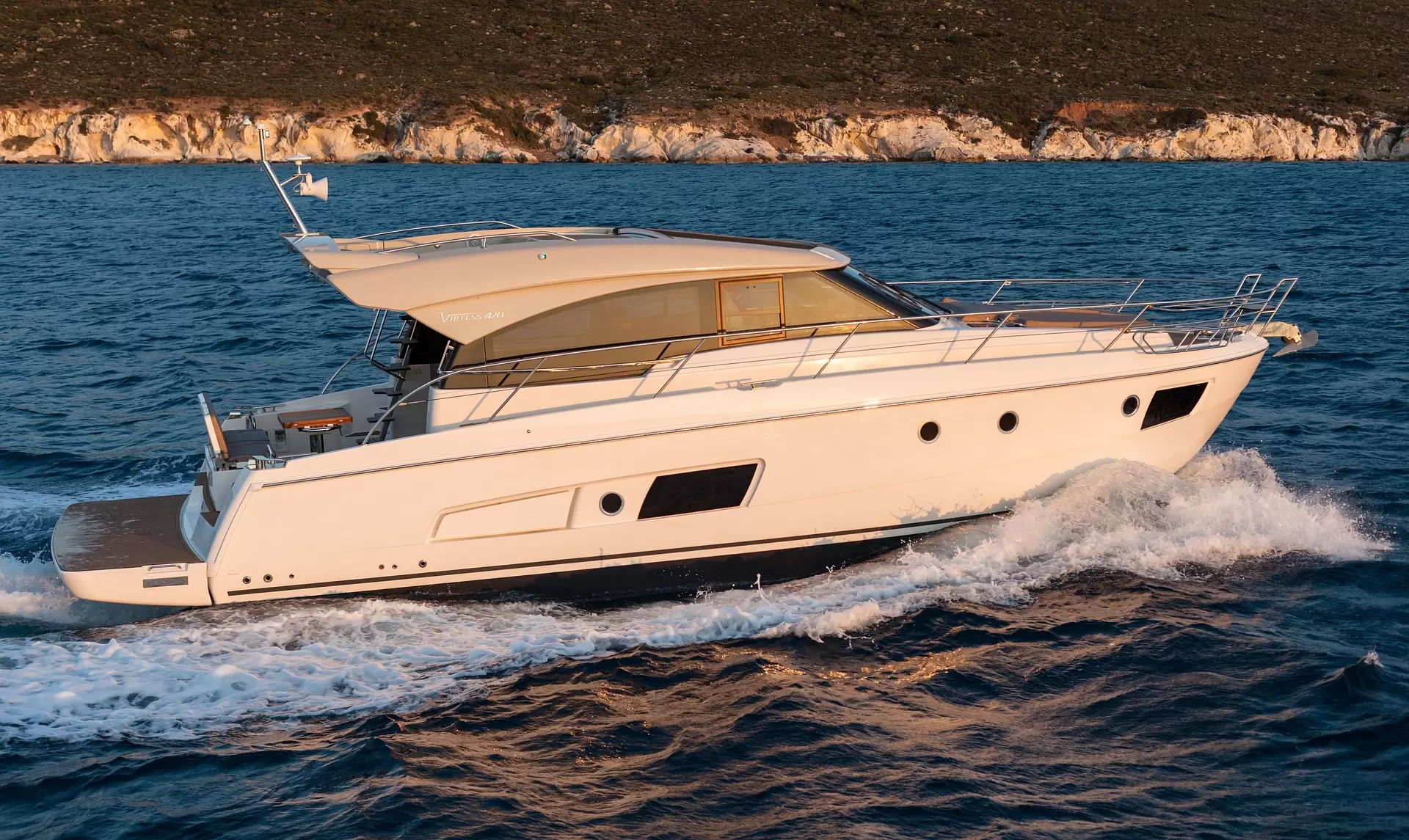
If you’re wondering how to finance a boat, the good news is that it works much like financing a car. The boat itself usually secures the loan, you repay it over an agreed term, and it’s yours outright at the end. This guide walks through what boat finance is, what you can finance, what lenders look at, and how the process runs from first conversation to settlement.
What boat finance actually is
Boat finance is a loan used to buy a vessel, most commonly structured as a secured loan. That means the boat is the security: if the loan isn’t repaid, the lender has a claim over it. Because the lender has that security, boat loans can generally offer better terms than an unsecured personal loan, and lenders are often willing to lend more.
You borrow the purchase price, or part of it if you’re putting in a deposit, and repay it in regular instalments over the loan term. Once the final payment is made, the lender releases its interest and the boat is yours with nothing owing.
Can you finance a boat? What’s covered
Most vessels and the gear that comes with them can be financed:
- New and used boats, from small tinnies and runabouts through to cabin cruisers, yachts and catamarans
- Jet skis and other personal watercraft
- Boat trailers, which can often be bundled into the same loan as the boat
- Boats bought through a dealer, at a boat show, or privately
Private sales are common in the boat market and can usually be financed. They just involve a couple of extra checks, mainly confirming the seller’s title and that there’s no existing finance owing on the vessel, before the lender pays the seller directly.
What lenders look at
Whether it’s a dealer purchase or a private sale, lenders assess two things: you and the boat.
You. Your income, existing commitments and credit history determine how much you can comfortably borrow. PAYG applicants generally have a straightforward assessment. Self-employed buyers and ABN holders can use tax returns, or low-doc options where full financials aren’t available.
The boat. Its age, condition and value shape what the lender will offer. Newer vessels typically attract the widest range of options. Used and older boats are financed regularly, but lenders may set limits on the loan term based on the boat’s age, so a long term on an older vessel isn’t always available.
Ready to get started?
Book a chat with an Asset Finance Broker at Treadgold Finance today.
Secured or unsecured?
Most boat purchases are financed on a secured basis, for the reasons above. An unsecured loan is assessed on your finances alone, without the boat as security, and usually costs more as a result. Unsecured finance sometimes suits smaller purchases where a lender won’t take the vessel as security, but for anything substantial, a secured boat loan is the usual path.
Terms, repayments and balloons
The loan term is one of the biggest levers on your repayments. A longer term lowers each repayment but increases the total you pay over the life of the loan; a shorter term does the reverse. How long you can go depends on the boat’s age, the amount and the lender, and we’ve covered that in detail in how long you can finance a boat for.
Some boat loans can also be structured with a balloon payment, a lump sum at the end of the term that lowers the regular repayments along the way. It’s worth understanding the trade-off before you choose it, and our guide to balloon payments explains how it works and when it makes sense.
How the process runs
- Tell us about you and the boat. What you’re buying, new or used, dealer or private, and how you’ll use it.
- Check your borrowing position. Income, commitments and credit, so you know what’s realistic before anything is submitted.
- Compare lenders. With a clear position, the options are compared across the lender panel, weighing rate, fees, term and each lender’s appetite for that type of boat.
- Pre-approval. So you can negotiate with confidence, at a dealer or a private sale.
- Formal application and settlement. Once you’ve found the boat and signed the contract of sale, the application goes in with the paperwork, the lender pays the seller, and you take delivery.
Where a broker fits
You can apply to a single lender directly and take what you’re offered. A broker compares the market for you instead: one application, multiple lenders including specialist marine lenders, and a loan structured around your situation rather than a one-size-fits-all product. That matters most on boats, where lender appetite varies a lot by vessel type and age.
If you’re weighing up your options, our boat loans page sets out what we arrange and how to get started. And for a broader view of how this kind of secured lending fits together, see our guide to asset finance.
Damo Treadgold is the director of Treadgold Finance, an FBAA-accredited finance broker on the Sunshine Coast, arranging boat, car and equipment finance Australia-wide.
Frequently Asked Questions
Can you finance a used boat?
Yes. Used boats are financed regularly, including private sales. Lenders assess the boat’s age and condition, which can affect the loan term available.
Do I need a deposit to finance a boat?
Not always. Some lenders offer boat finance with little or no deposit depending on your circumstances and the vessel. A deposit can improve the terms available.
Can I finance a jet ski or a boat trailer?
Yes. Jet skis and personal watercraft can be financed, and a trailer can often be bundled into the same loan as the boat.
Is boat finance secured?
Usually. Most boat loans are secured against the boat itself, which is why they can offer better terms than an unsecured personal loan.
How long does boat finance take?
Pre-approval is typically 24 to 48 hours for a straightforward application. Settlement follows once the contract of sale and paperwork are in.