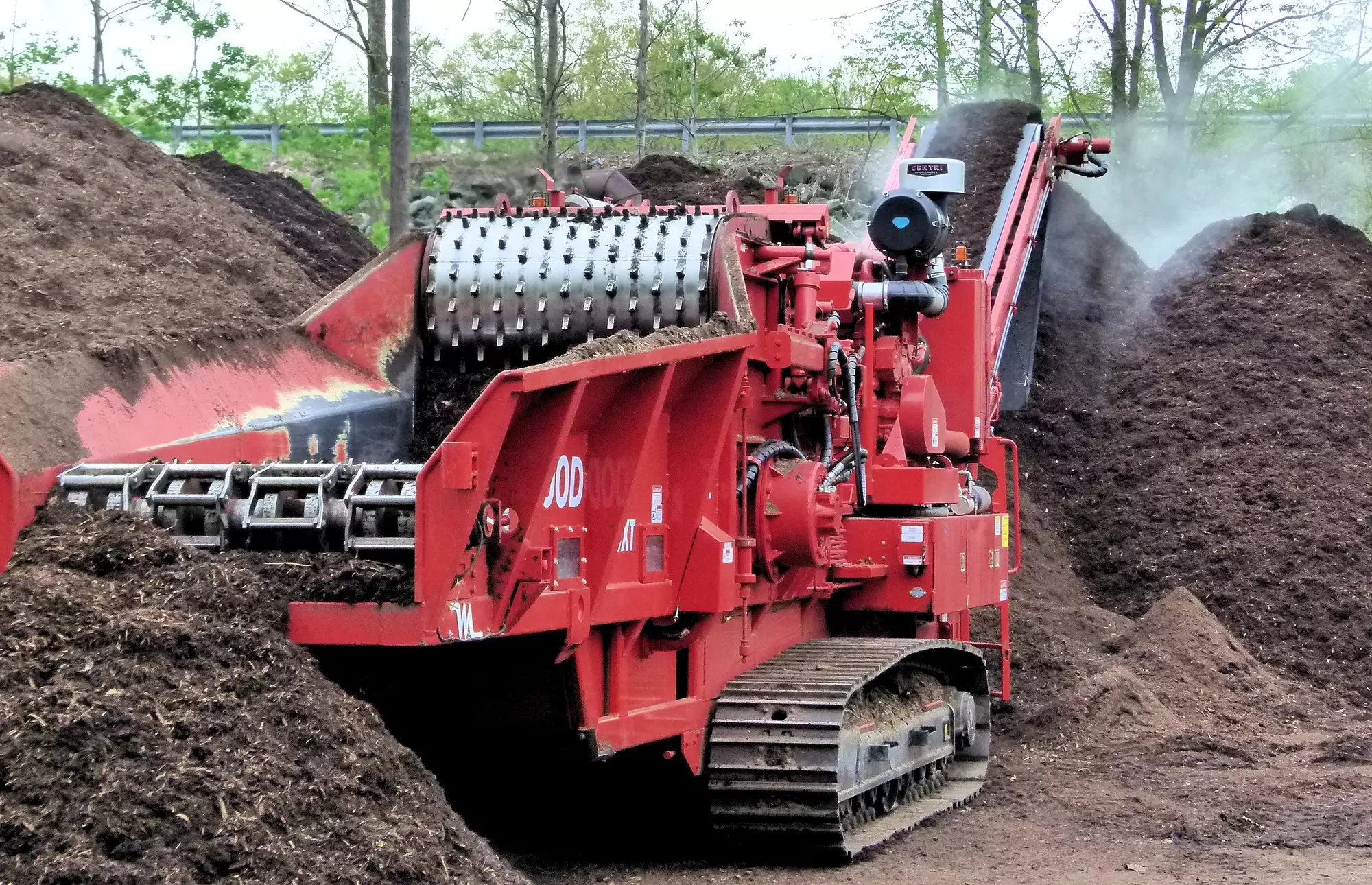

Funding Manufacturing Machinery Without Draining Working Capital
Most manufacturers in Townsville face the same challenge: production demand is climbing, but tying up $200,000 in a new CNC machine or automated packaging line leaves you short on working capital when you need it most.
Equipment finance lets you spread the cost of manufacturing machinery over time while the equipment generates revenue. Instead of paying the full amount upfront, you make fixed monthly repayments and preserve cash for wages, materials, and operational expenses. The machinery itself typically serves as collateral, which means you can access funding without putting up additional security.
Townsville's industrial sector continues to grow around the Port and the Lansdown Industrial Precinct, and we regularly see fabricators, food processors, and parts manufacturers looking to scale up capacity without compromising liquidity. The financing structure you choose affects both your tax position and your cashflow, so understanding the options matters.
Chattel Mortgage: Tax Deductions and Ownership
A chattel mortgage gives you immediate ownership of the equipment while you repay the loan amount over an agreed term. You claim the full GST upfront if you're registered, depreciate the asset, and deduct interest as a business expense. At the end of the term, there's no residual payment because you already own it.
Consider a fabrication business purchasing a $180,000 laser cutter. With a chattel mortgage, the business takes ownership on day one, claims the GST credit, and begins depreciating the equipment immediately. The interest portion of each monthly repayment is tax deductible, and because the equipment is on the balance sheet from the start, there's no balloon payment or ownership transfer at the end. The cutter starts earning revenue from the first job, and the repayments align with the income it generates.
This structure works well when you want full control of the asset and prefer predictable fixed monthly repayments. The equipment itself acts as security for the loan, so lenders typically don't require additional collateral unless the machinery is highly specialised or difficult to resell.
Hire Purchase: Staged Ownership for Cashflow Management
With hire purchase, you don't own the equipment until the final payment is made. The lender retains ownership throughout the life of the lease, and you gain full title once the agreement concludes. You can still claim depreciation and deduct interest, but the GST is included in each repayment rather than claimed upfront.
This option suits businesses that want lower initial outlay and prefer to manage cashflow month by month. Because the lender holds the title, approval can be more straightforward for newer operations or those without significant equity. The trade-off is that you're technically hiring the equipment until the contract ends, even though you're using it as if you own it.
Ready to get started?
Book a chat with an Asset Finance Broker at Treadgold Finance today.
Finance Options for Specific Manufacturing Equipment
Different types of machinery come with different funding considerations. CNC machines, injection moulding equipment, industrial ovens, and automated assembly lines all qualify for commercial equipment finance, but the loan amount and term depend on the equipment's lifespan and resale value.
Automation equipment and robotics financing often involve higher loan amounts because the technology is expensive and specialised. Lenders assess the equipment's residual value and its role in your production process. If you're financing a robotic welding cell that replaces three manual stations, the lender will want to understand the efficiency gain and how quickly the equipment pays for itself. Material handling equipment like forklifts, conveyors, and pallet systems tend to have shorter finance terms because they depreciate faster and have active resale markets.
Food processing equipment, printing equipment, and other industry-specific machinery may require lenders who understand the sector. A commercial printer upgrading to a digital press or a seafood processor installing a blast freezer near the Port will need a finance provider familiar with the equipment's function and typical ROI. We work with lenders across Australia who assess these assets based on their actual use, not just their category.
How Lenders Assess Manufacturing Equipment Applications
Lenders look at three things: your business's ability to service the debt, the equipment's value as collateral, and how the machinery fits into your operations. They'll review recent financials, your current debt position, and whether the equipment will increase capacity, reduce costs, or replace ageing machinery.
If you're buying new equipment from a known supplier, the approval process is usually quicker because the lender can verify the purchase price and condition. Upgrading existing equipment or purchasing secondhand machinery may require additional documentation like independent valuations or condition reports. The lender wants to know that if you default, they can recover the loan amount by selling the equipment.
Your business needs drive the structure. A food manufacturer adding a new processing line to meet a contract with a major retailer will finance that differently than a workshop replacing a worn-out lathe. The former might justify a longer term because the revenue is contracted, while the latter might suit a shorter term to match the equipment's remaining useful life.
Tax Benefits and Depreciation for Plant and Equipment Finance
Manufacturing machinery qualifies as plant and equipment, which means you can depreciate it over its effective life and reduce your taxable income. The instant asset write-off threshold changes periodically, so check with your accountant before assuming you can write off the full amount in year one. If the equipment exceeds the threshold, you'll depreciate it under the general depreciation rules.
Interest on the loan is tax deductible as a business expense, and if you use a chattel mortgage, you claim the GST upfront. If you use hire purchase, the GST is spread across the repayments, which smooths the cashflow impact but delays the full credit. Both structures are tax effective equipment financing methods, but the timing of deductions differs.
Some manufacturers split their purchases across financial years to optimise depreciation, while others time their acquisitions to align with production cycles. A processor ramping up for mango season might finance new sorting and packing equipment in the months before harvest, so the machinery is operational when volume peaks.
Accessing Equipment Finance Options Across Multiple Lenders
Working with a broker gives you access to equipment finance options from banks and lenders across Australia, not just the institution you bank with. Different lenders have different appetites for manufacturing equipment, and some specialise in specific industries or asset types.
One lender might offer better terms for food processing equipment, while another prefers industrial automation or metalworking machinery. A broker compares the loan amount, interest rate, and repayment structure across multiple offers and presents the options that suit your business needs. You're not locked into your current bank, and you don't have to approach lenders individually.
We submit applications to lenders who understand manufacturing cashflow and don't treat equipment finance like a standard business loan. They assess the equipment's role in your operation, not just your balance sheet, and structure repayments around realistic production timelines.
Timing Your Equipment Purchase with Finance Approval
Manufacturers often need equipment installed by a specific date to meet production deadlines or contract commitments. Finance approval can take anywhere from a few days to a couple of weeks, depending on the loan amount, the complexity of your financials, and the lender's process.
If you're ordering custom machinery or importing equipment, start the finance application before the equipment arrives. Most lenders will issue conditional approval based on a supplier quote, and they'll finalise the paperwork once the delivery date is confirmed. This keeps the equipment supplier happy and ensures funding is in place when the machinery lands.
For urgent purchases like replacing a failed production line component, some lenders can approve smaller amounts within 48 hours if your financials are current and the equipment is standard. Timing matters, and having your documents ready accelerates the process.
Structuring Repayments Around Production Cycles
Fixed monthly repayments work for most businesses, but if your manufacturing operation has seasonal peaks or contract-based revenue, you might need a more flexible structure. Some lenders allow deferred payments for the first few months while the equipment is installed and commissioned, or they offer seasonal repayment schedules that align with your revenue cycle.
A business supplying components to the mining sector might prefer higher repayments during peak contract periods and lower repayments during quieter months. This isn't available with every lender, but it's worth discussing if your cashflow is uneven. The goal is to match the debt servicing to the income the equipment generates, not force your business into a rigid monthly commitment that doesn't suit your operations.
We structure these conversations around how the machinery fits into your production, not just the loan amount. If the equipment improves business efficiency or increases output by a measurable percentage, the repayment structure should reflect that reality.
Equipment Finance for Townsville Manufacturers
Whether you're expanding capacity at Bohle, upgrading a facility near the Port, or replacing ageing machinery in an established operation, equipment finance gives you the flexibility to invest in production without waiting until you've saved the full amount. The machinery starts working for you immediately, and the repayments spread the cost over the period when it's delivering value.
Call one of our team or book an appointment at a time that works for you. We'll walk through your equipment needs, compare finance options, and structure the funding around your production schedule and tax position.
Frequently Asked Questions
What's the difference between a chattel mortgage and hire purchase for manufacturing equipment?
A chattel mortgage gives you immediate ownership and lets you claim GST upfront, while hire purchase transfers ownership at the end of the term and includes GST in each repayment. Both allow you to depreciate the equipment and deduct interest, but the timing of tax benefits differs.
Can I finance secondhand or used manufacturing machinery?
Yes, you can finance used equipment, but lenders may require an independent valuation or condition report to confirm the machinery's value. The age and condition of the equipment will affect the loan term and interest rate offered.
How long does equipment finance approval take?
Approval typically takes a few days to two weeks, depending on the loan amount and complexity of your financials. If you need equipment urgently and your documents are current, some lenders can approve smaller amounts within 48 hours.
Do I need to provide additional security beyond the equipment itself?
In most cases, the machinery serves as collateral and no additional security is required. If the equipment is highly specialised or difficult to resell, some lenders may ask for further security depending on the loan amount.
Can repayments be structured around seasonal or contract-based revenue?
Some lenders offer flexible repayment structures that align with your production cycles, including deferred payments during installation or seasonal schedules. This depends on the lender and your specific cashflow pattern.