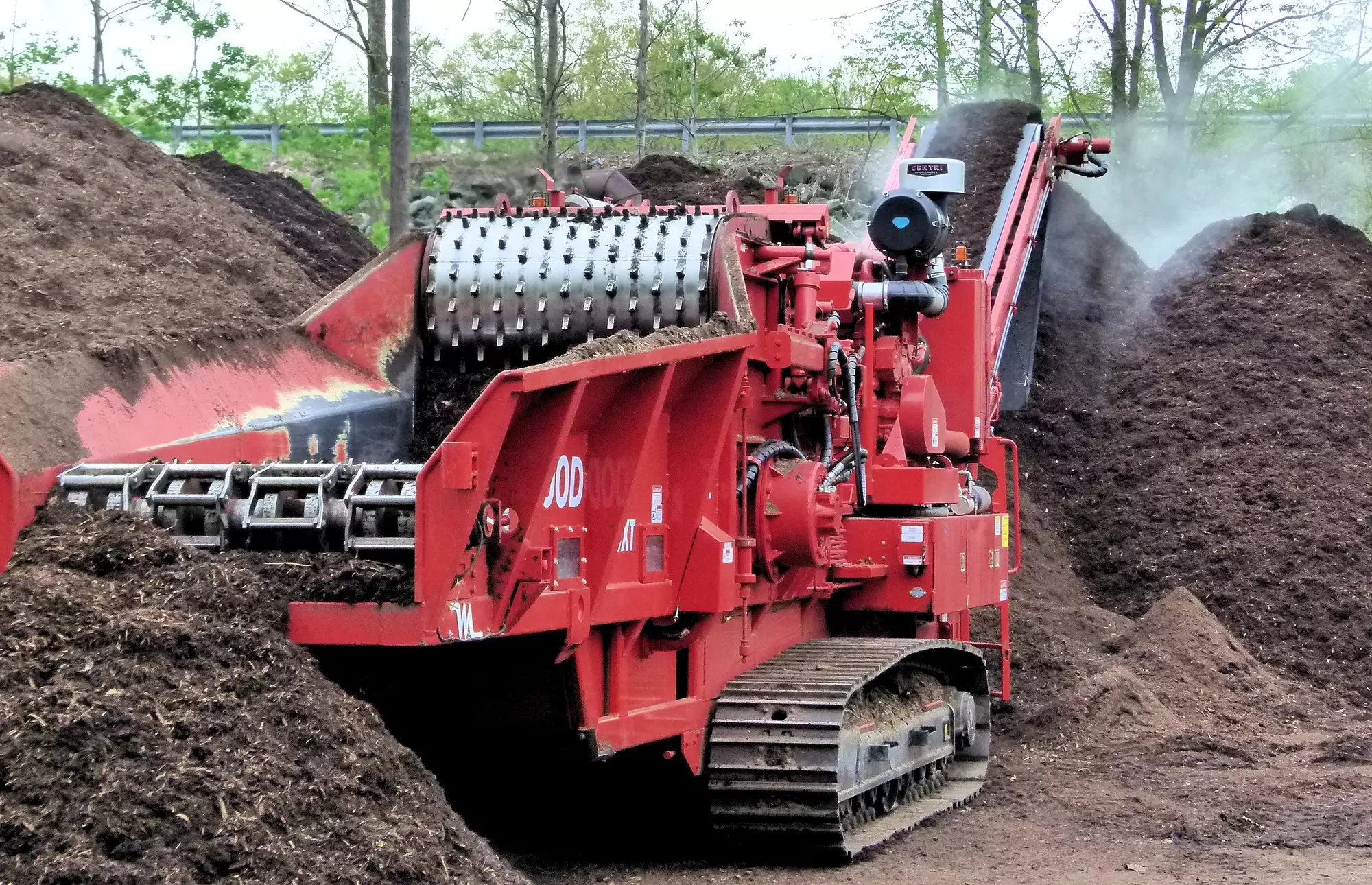

Manufacturing businesses in Launceston looking to purchase machinery face a practical choice: tie up cash reserves or use equipment finance to spread the cost while keeping working capital available for wages, materials, and day-to-day operations.
How Equipment Finance Works for Manufacturing Machinery
Equipment finance lets you buy manufacturing machinery by borrowing the purchase price and repaying it over an agreed term, usually between two and seven years. The machinery itself acts as security for the loan, which means lenders typically approve applications faster than unsecured business loans. You take ownership of the equipment from day one, claim depreciation, and make fixed monthly repayments that include interest.
Consider a Launceston-based metal fabrication workshop that needs a CNC plasma cutter. Rather than paying the full amount upfront, the business borrows the purchase price through a chattel mortgage and repays it over five years. The equipment starts generating revenue immediately, the repayments are structured around projected income, and the purchase is tax deductible.
What You Can Finance Through Plant and Equipment Finance
Almost any manufacturing machinery qualifies for equipment finance, including CNC machines, laser cutters, welding equipment, presses, lathes, injection moulding machines, conveyors, and packaging lines. Automation equipment and robotics financing are increasingly common as Launceston manufacturers look to lift production capacity without increasing headcount. Material handling equipment such as forklifts, pallet jacks, and overhead cranes also fall under this structure.
The machinery can be new or used, though lenders usually prefer equipment under ten years old. Specialised machinery built to order or imported from overseas can be financed before it arrives, with funds released once proof of purchase and delivery is confirmed.
Chattel Mortgage vs Hire Purchase
A chattel mortgage and a hire purchase agreement both allow you to use the equipment while you pay it off, but the ownership structure differs. With a chattel mortgage, you own the equipment from the start and register a security interest with the lender. With hire purchase, the lender owns the equipment until the final payment is made, at which point ownership transfers to you.
For most manufacturing businesses, a chattel mortgage is the better fit because it allows you to claim GST credits upfront if registered for GST, and you can claim depreciation immediately. Hire purchase spreads the GST across the life of the lease, which affects cashflow differently. Both options deliver fixed monthly repayments and are tax deductible, but the timing of tax benefits shifts depending on which structure you choose.
Ready to get started?
Book a chat with an Asset Finance Broker at Treadgold Finance today.
Tax Deductions and Depreciation
Manufacturing equipment purchased through a chattel mortgage qualifies as a depreciating asset, which means you can claim depreciation over the effective life of the machinery. Interest paid on the loan amount is also tax deductible. If the equipment costs less than the instant asset write-off threshold, you may be able to claim the full purchase price in the year it's acquired, depending on current government provisions.
A Launceston joinery business financing a CNC router can claim both the depreciation on the router and the interest portion of each repayment. If the equipment qualifies for instant write-off, the business claims the full purchase price immediately, reducing taxable income in that financial year.
How Lenders Assess Applications for Machinery Finance
Lenders assess your business trading history, revenue consistency, and existing debts before approving equipment finance. Most want to see at least 12 months of trading, though some will consider newer businesses if the director provides a personal guarantee or additional collateral. The equipment being financed acts as security, but lenders also look at whether the business can service the repayments from current income.
You'll need recent business financial statements, tax returns, and a quote or invoice for the machinery. If the equipment is used, lenders may request a valuation or condition report. The approval process usually takes a few days once all documents are submitted, though more complex applications involving multiple pieces of equipment or cross-border purchases can take longer.
Managing Cashflow with Fixed Repayments
Fixed monthly repayments make it easier to manage cashflow because you know exactly what leaves the account each month. Manufacturing businesses often align repayment terms with the expected revenue from the new equipment, so a machine that lifts production by 30% can be financed over a term that ensures the increased income covers the repayment.
A Launceston food processing business financing a vacuum sealing line might choose a five-year term with repayments of around $2,000 per month. The line increases output enough to generate an additional $4,000 per month in revenue, leaving room for other costs and profit while the equipment pays for itself.
When to Consider Equipment Finance Over Paying Cash
Paying cash for manufacturing machinery makes sense if you have surplus funds and no other pressing use for that capital. Equipment finance makes more sense when cash is needed for stock, wages, or expansion, or when the machinery purchase would drain reserves to a level that affects your ability to handle unexpected costs or opportunities.
If buying the equipment outright means turning down a new contract because you lack the working capital to fulfil it, equipment finance keeps both options open. You acquire the machinery and keep enough cash on hand to take on new work.
Upgrading Equipment Without Disrupting Operations
Manufacturing businesses in Launceston often need to upgrade existing equipment to keep pace with demand or adopt new technology. Financing the upgrade means you don't have to wait until cash reserves build up, and you can sell or trade in the old equipment to reduce the loan amount.
A local engineering firm replacing an ageing lathe with a newer model can finance the purchase, trade in the old machine, and structure the repayments around the efficiency gains from the upgraded equipment. The business maintains production continuity and avoids a long gap between selling the old machine and affording the new one.
Working with a Finance Broker for Equipment Finance Options
Access to equipment finance options from banks and lenders across Australia gives you more choice in interest rates, terms, and approval conditions. A finance broker compares offers, matches the loan structure to your business needs, and handles the paperwork so you can focus on running the business rather than chasing approvals.
For Launceston manufacturers, working with someone who understands the local industrial mix and the types of machinery commonly financed in the region saves time and usually results in better terms than approaching a single lender directly. Whether you're financing a press brake, a powder coating oven, or a full production line, the broker's role is to find the right fit for your business and get the approval through quickly.
Frequently Asked Questions
What manufacturing equipment can I finance in Launceston?
You can finance almost any manufacturing machinery including CNC machines, welding equipment, presses, lathes, injection moulding machines, conveyors, packaging lines, automation equipment, robotics, and material handling equipment like forklifts and cranes. Both new and used equipment under ten years old typically qualifies.
How does a chattel mortgage differ from hire purchase for equipment finance?
With a chattel mortgage, you own the equipment from the start and the lender registers a security interest. With hire purchase, the lender owns the equipment until the final payment. Chattel mortgages usually suit manufacturers better because you can claim GST credits upfront and depreciate the asset immediately.
What do lenders look for when assessing equipment finance applications?
Lenders assess your business trading history, revenue consistency, and existing debts. Most require at least 12 months of trading, recent financial statements, tax returns, and a quote or invoice for the machinery. The equipment being financed acts as security for the loan.
Can I claim tax deductions on financed manufacturing equipment?
Yes, you can claim depreciation on the equipment and deduct the interest portion of your repayments. If the equipment costs less than the instant asset write-off threshold, you may be able to claim the full purchase price in the year it's acquired, depending on current provisions.
When does equipment finance make more sense than paying cash?
Equipment finance makes sense when paying cash would drain reserves needed for stock, wages, or expansion, or when the machinery purchase would affect your ability to handle unexpected costs or new opportunities. It allows you to acquire the equipment while keeping working capital available for day-to-day operations.