
Matching repayments to your cashflow cycles
The main budgeting decision with asset finance is whether to structure your repayments to match when you actually get paid. A business running seasonal work or project-based income can arrange repayments that don't hit the same way every month, and a balloon payment at the end lets you keep more cash on hand during the term.
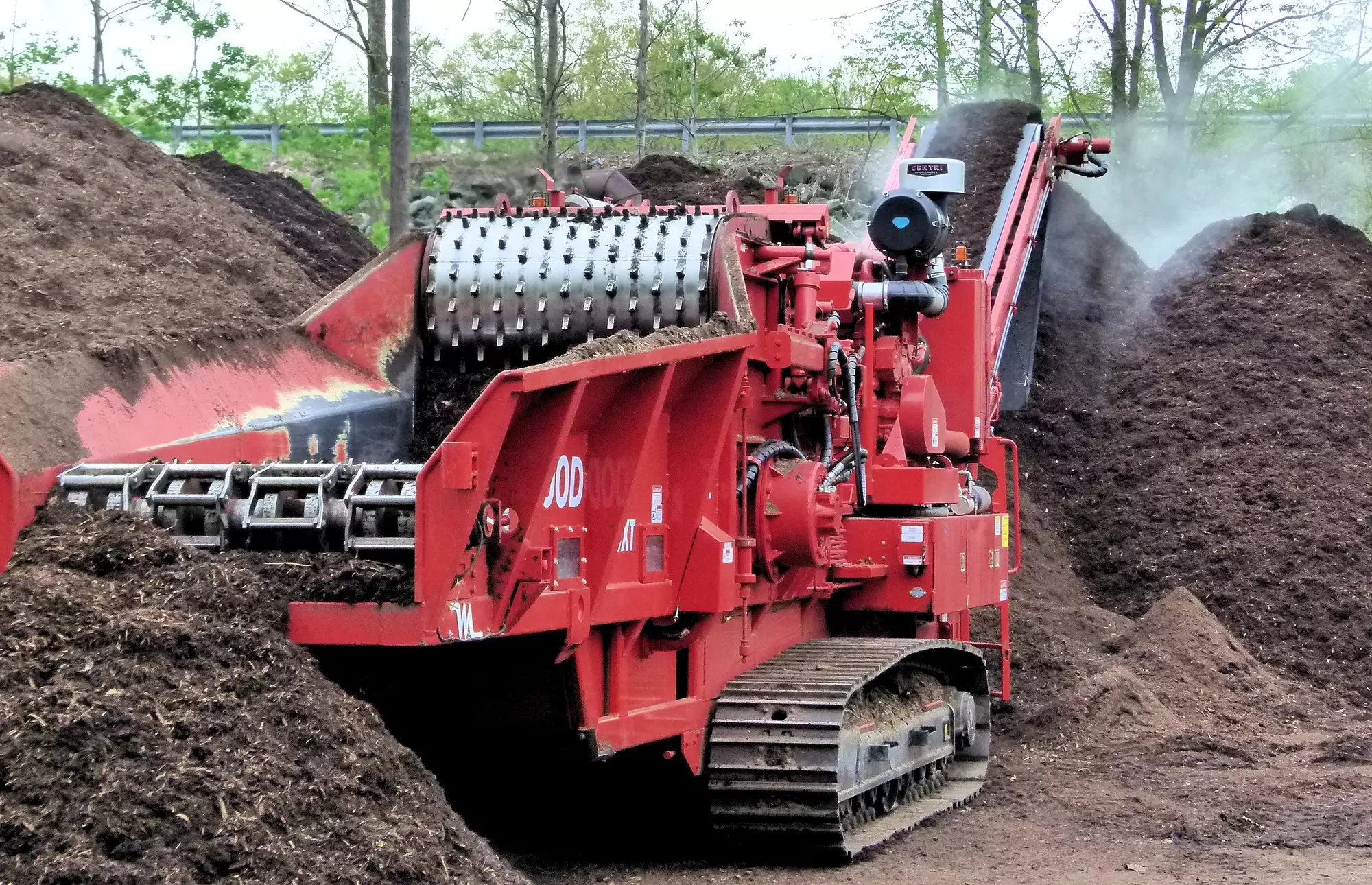
Consider a contractor in Tamworth who buys an excavator through a chattel mortgage. If work slows between December and February, you can set up a structure where repayments are lower in those months and higher when projects start again in autumn. That same flexibility applies if you're buying a tractor for agricultural work, where income peaks during harvest.
Fixed monthly repayments versus balloon structures
A fixed repayment structure means you pay the same amount every month until the loan finishes. A balloon payment means you pay less each month and settle a lump sum at the end, which can be anywhere from 10% to 50% of the original loan amount.
The reason this matters for budgeting is that a balloon lowers your monthly commitment but requires you to either refinance, sell the asset, or pay the balance when the term ends. If you're upgrading equipment every few years anyway, a balloon can make sense because you sell the asset and use the proceeds to cover the balloon. If you plan to keep the equipment long-term, a balloon just delays the cost.
Ready to get started?
Book a chat with an Asset Finance Broker at Treadgold Finance today.
How GST treatment affects your upfront cost
With a chattel mortgage or hire purchase, you can usually claim the GST back on the full purchase price in your next Business Activity Statement. That means if you're buying a truck for $110,000 including GST, you can recover $10,000 fairly quickly, which improves your cashflow in the first few months.
With a lease structure, GST is included in each repayment instead, so you claim it back gradually over the life of the lease. Both approaches work, but the upfront GST treatment under a chattel mortgage gives you more working capital sooner, which is useful if you're buying multiple assets or managing other outgoings at the same time.
Depreciation and tax deductions during the term
Under a chattel mortgage, you own the asset from day one, so you can claim depreciation and the interest portion of each repayment as a tax deduction. The asset sits on your balance sheet, and you write it down over its effective life.
With a lease, you don't own the asset during the term, so you can't claim depreciation. Instead, the full lease payment is usually deductible as an operating expense. Both structures offer tax benefits, but the timing and method differ. If you want the asset on your balance sheet and prefer to claim depreciation, a chattel mortgage or hire purchase is the better fit.
Planning for the end of the term
When your finance term finishes, you either own the asset outright, pay the balloon, or return it depending on the structure you chose. If you set up a balloon payment and the asset is worth more than the balloon amount, you can sell it, pay the lender, and keep the difference. If the asset is worth less, you need to cover the shortfall or refinance.
A Tamworth logistics business financing a fleet of light commercial vehicles might use a three-year term with a 30% balloon, planning to trade the vehicles at the end and roll into new finance. The balloon keeps monthly repayments lower, and the upgrade cycle matches how long they want to keep each vehicle before moving to newer models.
Structuring multiple assets under one facility
If you're buying several pieces of equipment at once, or planning to add more over the next 12 months, you can arrange a facility that covers multiple assets without needing separate applications each time. This works well for businesses expanding quickly or replacing several items as part of a larger operational upgrade.
An operating lease or line of credit structure can let you draw down funds as needed, which means you're only paying interest on what you've actually used. The budgeting advantage is that you're not locked into fixed repayments for equipment you haven't bought yet, and you can time each purchase to match your actual cashflow.
Vendor finance versus broker-sourced options
When you're buying new equipment, the dealer often offers vendor finance on the spot. The rate might look competitive, but it's usually a single option from one lender. A broker-sourced facility lets you compare rates, structures, and terms from banks and non-bank lenders, which can mean a lower interest rate or more flexibility around balloons and repayment timing.
For businesses in regional areas like Tamworth, working with a broker who understands local industries and can access a wide panel of lenders makes it easier to structure finance that fits your actual business needs rather than whatever the dealer happens to offer.
Building finance costs into your project pricing
If you're running project-based work in construction, agriculture, or transport, the cost of financing your equipment should be built into your pricing from the start. Knowing your monthly repayment lets you calculate how much each job needs to contribute toward equipment costs, which keeps your margins clear.
A civil contractor financing a grader through a hire purchase might have fixed monthly repayments of $3,500. If that grader is used across 10 projects a year, each project needs to cover $350 in equipment finance as part of the overall cost structure. That kind of visibility makes it much easier to budget for business growth without guessing whether the equipment pays for itself.
When to refinance or restructure mid-term
If your cashflow changes or interest rates drop significantly, you can refinance your existing asset finance before the term ends. This might mean switching from a variable rate to a fixed rate, extending the term to lower repayments, or consolidating multiple loans into one facility.
Refinancing mid-term usually involves a payout figure from your current lender and a new application, but it can make a real difference if your monthly commitment is too high or you want to free up working capital for other priorities. A broker can help you compare refinancing options and work out whether the numbers make sense based on where you are now versus when you first set up the loan.
Call one of our team or book an appointment at a time that works for you.
Frequently Asked Questions
What is a balloon payment in asset finance?
A balloon payment is a lump sum you pay at the end of the loan term, usually between 10% and 50% of the original loan amount. It reduces your monthly repayments during the term but requires you to either pay the balance, refinance, or sell the asset when the loan finishes.
Can I claim GST back on equipment finance?
Yes, under a chattel mortgage or hire purchase you can usually claim the full GST back on the purchase price in your next Business Activity Statement. With a lease, GST is included in each repayment and you claim it back gradually over the term.
How do I budget for multiple pieces of equipment?
You can arrange a facility that covers multiple assets without separate applications each time. An operating lease or line of credit lets you draw down funds as needed, so you only pay interest on what you've actually used.
Should I use vendor finance or go through a broker?
Vendor finance is convenient but usually offers a single option from one lender. A broker-sourced facility lets you compare rates and structures from multiple lenders, which can result in a lower interest rate or more flexibility around repayments and balloons.
Can I refinance asset finance before the term ends?
Yes, you can refinance mid-term if your cashflow changes or interest rates drop. This might involve extending the term, switching from variable to fixed, or consolidating multiple loans into one facility.