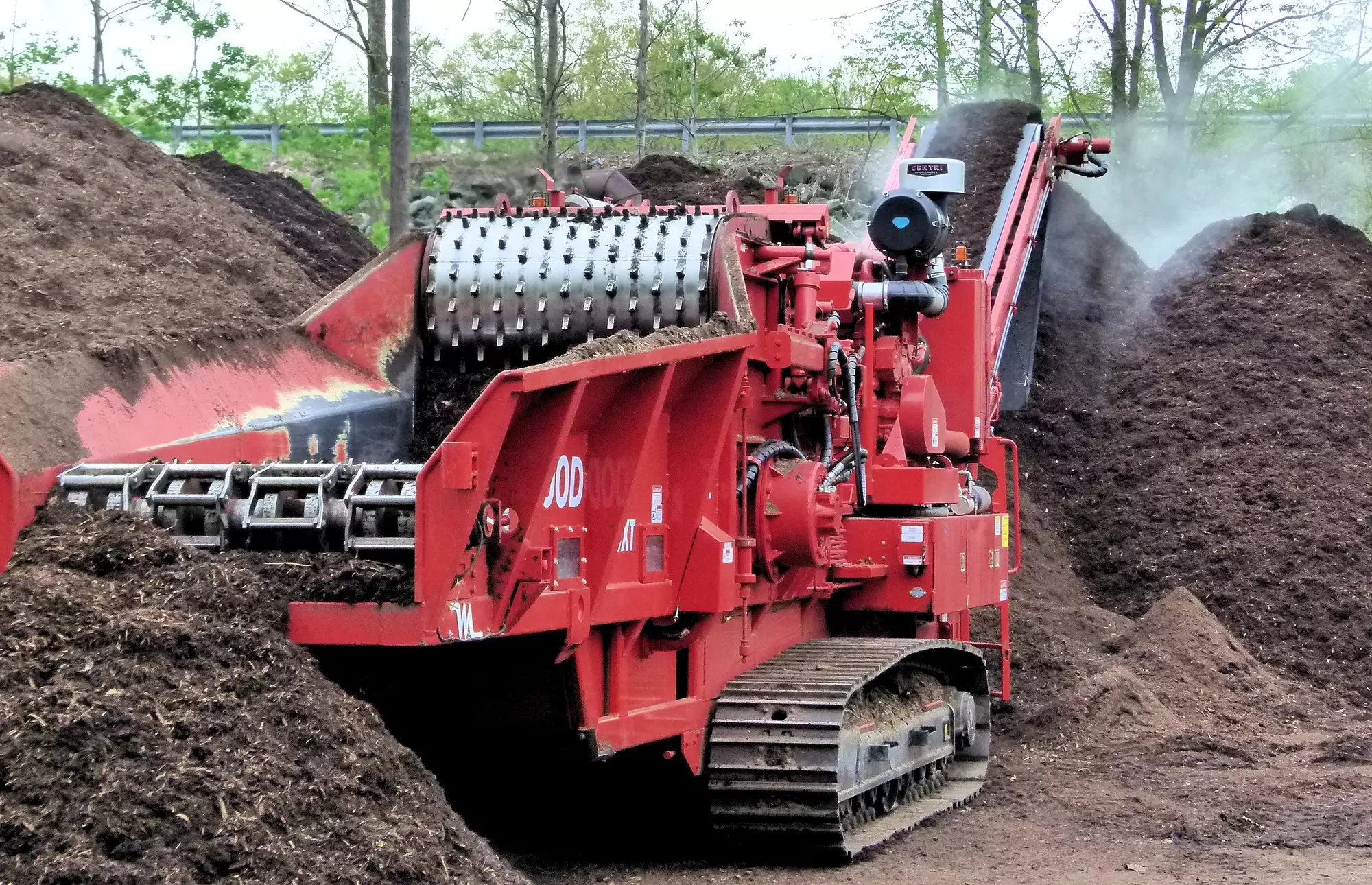

Asset finance lets you acquire equipment your business needs while spreading the cost over time instead of paying a lump sum upfront.
For businesses around Dubbo, whether you're running machinery on a property near Wellington or operating a medical practice in the CBD, buying equipment outright ties up cash that could be working elsewhere in your operation. An asset finance broker connects you with funding structures across multiple lenders, matching the repayment approach to how your business actually uses the equipment.
How Asset Finance Works for Different Equipment Types
You borrow against the equipment itself, which becomes collateral for the loan. The lender assesses the asset's value and your business's capacity to make repayments, then structures the finance to suit the equipment's working life.
Consider a construction business needing excavators and dozers for a project pipeline around the Macquarie River region. Commercial equipment finance for machinery like this typically runs over three to five years, aligning repayments with how long the equipment stays productive before you need to upgrade. Fixed monthly repayments mean you know exactly what's going out each month, which makes planning around seasonal work patterns more straightforward.
Hospitality equipment finance works differently because commercial kitchens and bar setups depreciate faster than heavy machinery. A fit-out for a venue on Macquarie Street might use a shorter term with higher residual value, letting you refresh the equipment as technology or health standards change.
Chattel Mortgage Versus Lease Structures
A chattel mortgage means you own the equipment from day one and use it as security for the loan. You claim depreciation and interest as tax deductions, and once you've made the final payment, the asset is yours with no further obligations.
A finance lease keeps ownership with the lender until the end of the term. You make lease payments that include a portion covering the equipment's depreciation and a portion covering the lender's return. At the end, you can either pay a residual amount to own it outright, trade it in, or hand it back. Operating leases work similarly but usually involve handing the equipment back rather than taking ownership.
For medical equipment finance, many practices around Dubbo prefer a chattel mortgage on diagnostic technology because they want the depreciation benefits and full ownership. For office equipment or vehicles that need regular upgrading, a lease structure often makes more sense because you're not stuck with outdated assets.
Ready to get started?
Book a chat with an Asset Finance Broker at Treadgold Finance today.
Balloon Payments and Cash Flow Planning
A balloon payment reduces your regular repayments by deferring a lump sum until the end of the loan term. Instead of paying the full loan amount across monthly instalments, you pay down part of it and leave a percentage owing at the end.
This works when you need lower monthly commitments now but expect to have funds available later to either refinance the balloon, sell the asset, or pay it out from business cash flow. For commercial vehicle finance on trucks or trailers used in freight or agricultural work, a balloon can align repayments with income cycles, particularly if your revenue peaks at certain times of the year.
The risk sits in that final payment. If your business hasn't generated the expected cash flow or the equipment's resale value has dropped, you're left scrambling to refinance or sell. As an example, a transport operator financing a truck with a 30% balloon might pay $1,800 monthly instead of $2,400, but needs $45,000 ready at the end of a five-year term. If freight rates have dropped or the truck's worth less than anticipated, that residual becomes a problem.
How Vendor and Dealer Finance Compare
Vendor finance comes directly from the manufacturer or supplier selling you the equipment. Dealer finance is arranged through the dealership but funded by a third-party lender. Both can be convenient because they're organised at the point of sale, but you're typically limited to one lender's terms.
Working with an equipment finance broker gives you access to asset finance options from banks and lenders across Australia, not just the one tied to the supplier. Rate differences might only be half a percent, but on a $200,000 loan for specialised machinery like graders or cranes, that adds up over the loan term. A broker also structures the loan around GST treatment and residual values in ways that suit your business, rather than what's standard for the supplier.
Tax Benefits and Depreciation Timing
Under a chattel mortgage, you own the asset and claim depreciation as a tax deduction each year based on the equipment's effective life. Interest on the loan is also deductible. If you're buying new equipment that qualifies for instant asset write-off provisions, you might be able to deduct the full amount in the year of purchase, depending on current thresholds and your business structure.
Leases handle tax differently. Under a finance lease, you claim the lease payments as an expense rather than claiming depreciation. Under an operating lease, you also claim the payments as an operating expense, but you never own the asset.
For technology equipment finance, where the upgrade cycle is short and equipment becomes obsolete quickly, leasing often delivers the deduction you need without leaving you holding outdated hardware. For machinery with a long working life that retains value, ownership through a chattel mortgage usually delivers more benefit over time.
Preserving Working Capital for Growth
Paying cash for equipment pulls funds out of your business that could otherwise cover stock, wages, or expansion. Asset finance preserves working capital by turning a large upfront cost into predictable repayments.
In Dubbo's rural service economy, businesses often need to balance equipment purchases with seasonal income. A farmer financing a tractor or a contractor funding a trailer keeps cash available for operating costs during leaner months. The equipment pays for itself through the work it enables, while your reserve funds stay intact for unexpected expenses or opportunities.
The loan amount you access depends on the asset's value and your business's financial position. Lenders typically finance up to 100% of the equipment cost, sometimes including delivery and installation if it's part of the purchase. Keeping some cash contribution in the deal can reduce the interest rate or improve loan terms, but it's not always required.
Structuring Finance Around Equipment Life
Matching the loan term to the equipment's useful life means you're not still paying off machinery that's already been replaced. Heavy construction equipment like excavators might be financed over five to seven years because that's how long they stay productive before major overhauls are needed. Office equipment or hospitality fit-outs might only warrant three years because technology moves faster and wear is harder.
A broker structures the term, residual, and repayment type around how you'll actually use the equipment. If you're planning to sell it before the loan ends, a higher balloon makes sense. If you're keeping it until it's fully depreciated, a lower residual or no balloon avoids a lump sum later.
For businesses considering multiple funding needs, combining asset finance with a business loan or line of credit can cover both equipment and operational costs without overextending on any single facility.
Treadgold Finance works with businesses across the Dubbo region to structure asset finance that fits your equipment needs and cash flow. Call one of our team or book an appointment at a time that works for you.
Frequently Asked Questions
What is the difference between a chattel mortgage and a lease for equipment finance?
A chattel mortgage means you own the equipment from the start and use it as loan security, claiming depreciation and interest as tax deductions. A lease keeps ownership with the lender until the end, with options to buy, trade, or return the equipment.
How does a balloon payment work in asset finance?
A balloon payment defers a lump sum to the end of the loan term, reducing your regular monthly repayments. You'll need to refinance, sell the asset, or pay the balloon from cash flow when the term ends.
Can I finance 100% of the equipment cost?
Most lenders will finance up to 100% of the equipment purchase price, sometimes including delivery and installation costs. Some cash contribution may improve your interest rate or loan terms but isn't always required.
What equipment types can be financed through asset finance?
Asset finance covers work vehicles, construction machinery like excavators and graders, medical equipment, hospitality fit-outs, office technology, trucks, trailers, and most business equipment. The structure depends on the equipment's working life and how your business uses it.
Why use an asset finance broker instead of vendor finance?
A broker accesses multiple lenders across Australia rather than one supplier-linked option, often finding lower rates and better terms. Brokers also structure loans around tax treatment, residuals, and cash flow in ways that suit your specific business needs.