
Buying Tools Without Draining Your Bank Account
Purchasing tools through asset finance lets you acquire equipment now and spread the cost over time with fixed monthly repayments. For tradies and contractors in Townsville, where work often comes in waves tied to mining, construction, and defence projects, keeping capital available matters more than owning everything outright from day one.
The gap between winning a job and getting paid can stretch weeks or months. If you've just spent $40,000 on a new excavator or $15,000 on specialised welding equipment, you're operating on thin margins until invoices clear. Finance structures let you match repayments to revenue instead of wearing the full upfront cost.
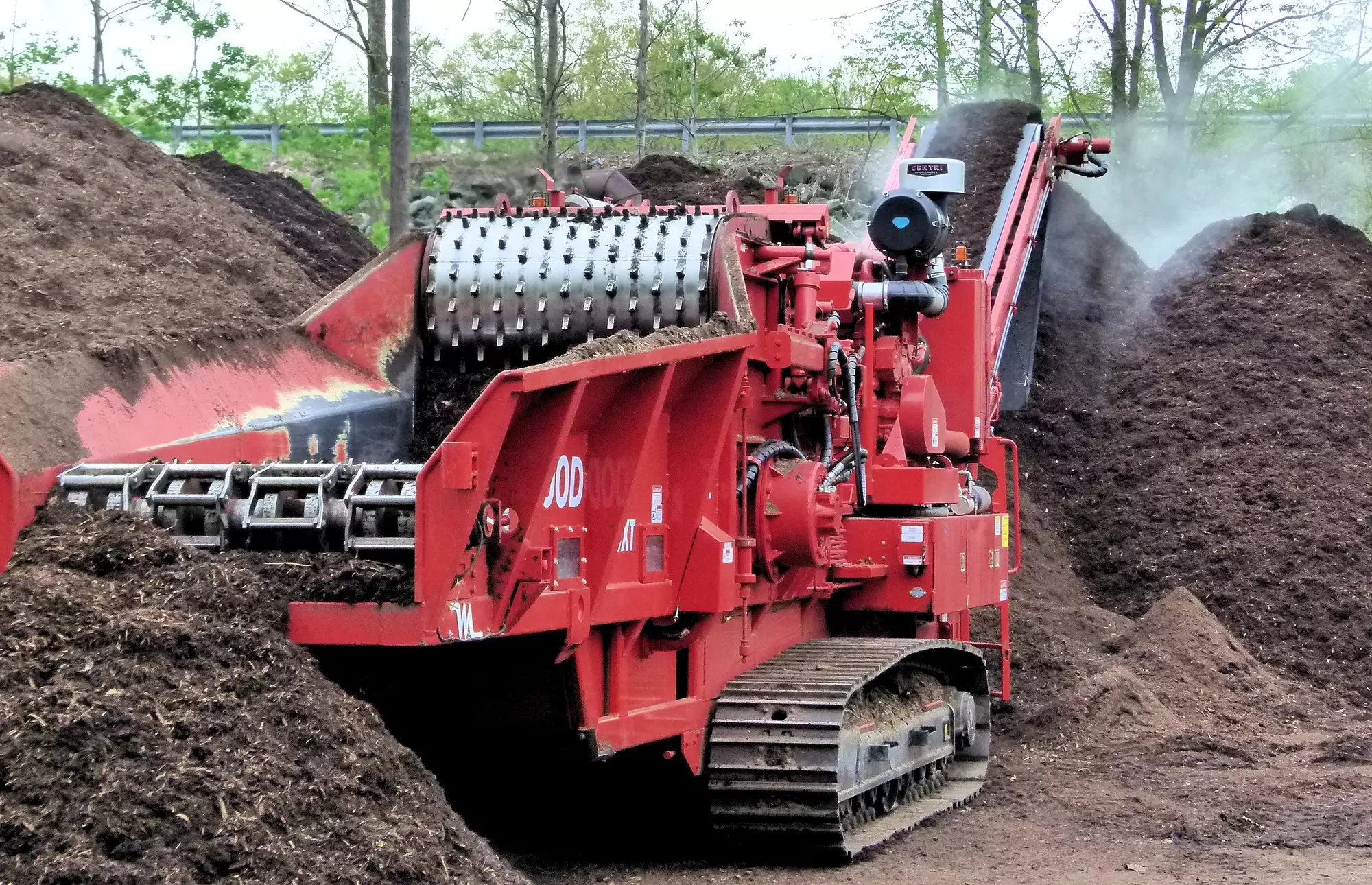
Consider a scenario where a local contractor wins a three-month earthmoving contract at one of the industrial sites near the Port of Townsville. The job requires a mini excavator they don't currently own. Buying it outright for $55,000 means tying up capital that covers wages, fuel, and insurance. Through a chattel mortgage, they access the equipment immediately, claim depreciation and interest as tax deductions, and keep $50,000 in the business account for operating costs. The equipment generates income from week one while repayments stay predictable.
How Chattel Mortgage Works for Tool Purchases
A chattel mortgage is a loan secured against the equipment you're buying. You own the tools from the start, claim the full tax benefits, and repay the loan amount over an agreed term, typically between two and five years.
The lender holds a charge over the equipment until the loan is repaid. You can structure repayments with or without a balloon payment at the end, depending on how you want to manage cashflow. A balloon reduces monthly costs but leaves a lump sum due when the term finishes. For tools you plan to trade or upgrade, that can work well. For gear you'll run into the ground, fixed monthly repayments without a balloon keep things cleaner.
GST treatment differs too. If you're registered for GST, you can claim the GST component back in your next business activity statement. That means the effective cost drops by ten percent within weeks of settlement.
Ready to get started?
Book a chat with an Asset Finance Broker at Treadgold Finance today.
Finance Lease vs Hire Purchase: Which Fits Your Business
A finance lease means you don't own the equipment during the lease term. At the end, you can purchase it for a residual value, upgrade to newer gear, or hand it back. This suits businesses that want regular access to the latest equipment without holding onto depreciating assets.
Hire Purchase works more like a traditional loan. You make regular repayments, own the equipment at the end, and claim depreciation over the life of the asset. For tools that hold value or that you'll use for years, this structure makes more sense than leasing.
Townsville's trade sectors, especially those tied to mining and heavy construction around Mount Isa Road and the Ring Road industrial precincts, often favour Hire Purchase. Equipment like trucks, trailers, excavators, and cranes gets worked hard but maintained well. Ownership matters when resale value stays strong and the work keeps coming.
Medical and Office Equipment: Beyond the Toolbox
Asset finance isn't limited to construction gear. Medical practices around Townsville University Hospital or accounting firms in the CBD use the same structures to fund office equipment, diagnostic machines, and technology upgrades.
A dental practice upgrading to digital imaging might need $80,000 for new X-ray equipment. Paying cash pulls that capital out of the business. Medical equipment finance through a finance lease lets them access current technology, claim lease payments as a tax deduction, and upgrade when better systems arrive in three years. The practice preserves capital for hiring staff, covering rent, and managing the slow payment cycles common in bulk-billing environments.
Accessing Multiple Lenders Without the Legwork
Treadgold Finance connects you with equipment finance options across multiple banks and lenders. Rather than approaching each one separately, you get access to commercial equipment finance and vendor finance options in one conversation.
Some lenders specialise in construction equipment finance. Others focus on technology or hospitality gear. A few handle fleet finance for businesses buying multiple vehicles or trailers at once. Knowing which lender suits your situation saves time and often delivers terms that fit your cashflow better than the first option you find.
We handle the paperwork, compare the offers, and walk you through what each structure means for your tax position and monthly outgoings. For Townsville businesses juggling quotes, job schedules, and supplier deadlines, that cuts weeks out of the process.
When Vendor or Dealer Finance Makes Sense
Vendor finance comes directly from the equipment supplier. Dealer finance is arranged through the dealership selling the gear. Both can be quick to arrange, especially if you're buying from a supplier with an existing finance relationship.
The catch is that you're dealing with one lender's terms. Interest rates and fees might be higher than what's available through a broker comparing multiple options. If the supplier is offering a promotion or a discounted rate to move stock, it can work in your favour. If not, you're leaving money on the table.
For high-value purchases like trucks, cranes, or factory machinery, comparing dealer finance against commercial vehicle finance from other lenders usually uncovers a lower rate or a structure that suits your business better. For smaller purchases where speed matters more than rate, vendor finance closes the deal faster.
Funding Growth Without Waiting for Cashflow
Asset finance lets you acquire tools when the work shows up, not when your account balance allows it. Townsville's economy moves in cycles. Defence contracts, port expansions, and mining activity create demand that doesn't wait for you to save up.
If you're turning down jobs because you lack the right equipment, you're losing revenue and reputation. Business loans cover working capital, but asset-based lending ties the funding directly to the equipment generating income. The repayments align with the revenue the tools produce, and the equipment itself acts as collateral.
Preserving working capital keeps your business flexible. Whether you're covering payroll during a slow month, paying suppliers on time to keep discounts, or taking on an unexpected opportunity, having cash available matters more than owning every tool outright.
Call one of our team or book an appointment at a time that works for you. We'll walk through your equipment needs, compare your finance options, and get you access to the tools your business needs without the capital drain.
Frequently Asked Questions
What is a chattel mortgage for tool purchases?
A chattel mortgage is a loan secured against the equipment you're buying. You own the tools from the start, claim tax deductions on depreciation and interest, and repay the loan over an agreed term with fixed monthly repayments.
How does asset finance help with cashflow?
Asset finance spreads the cost of equipment over time instead of requiring full upfront payment. This preserves working capital for wages, operating costs, and unexpected expenses while the equipment generates revenue from day one.
What's the difference between a finance lease and Hire Purchase?
A finance lease means you don't own the equipment during the term and can upgrade or return it at the end. Hire Purchase works like a loan where you own the equipment at the end and claim depreciation over the asset's life.
Can I claim GST back on financed equipment?
If you're registered for GST, you can claim the GST component back in your next business activity statement. This reduces the effective cost of the equipment by ten percent within weeks of settlement.
Should I use dealer finance or go through a broker?
Dealer finance can be faster but often comes with higher rates as you're limited to one lender. A broker compares multiple lenders and structures, usually finding lower rates or terms that suit your cashflow better, especially for high-value purchases.