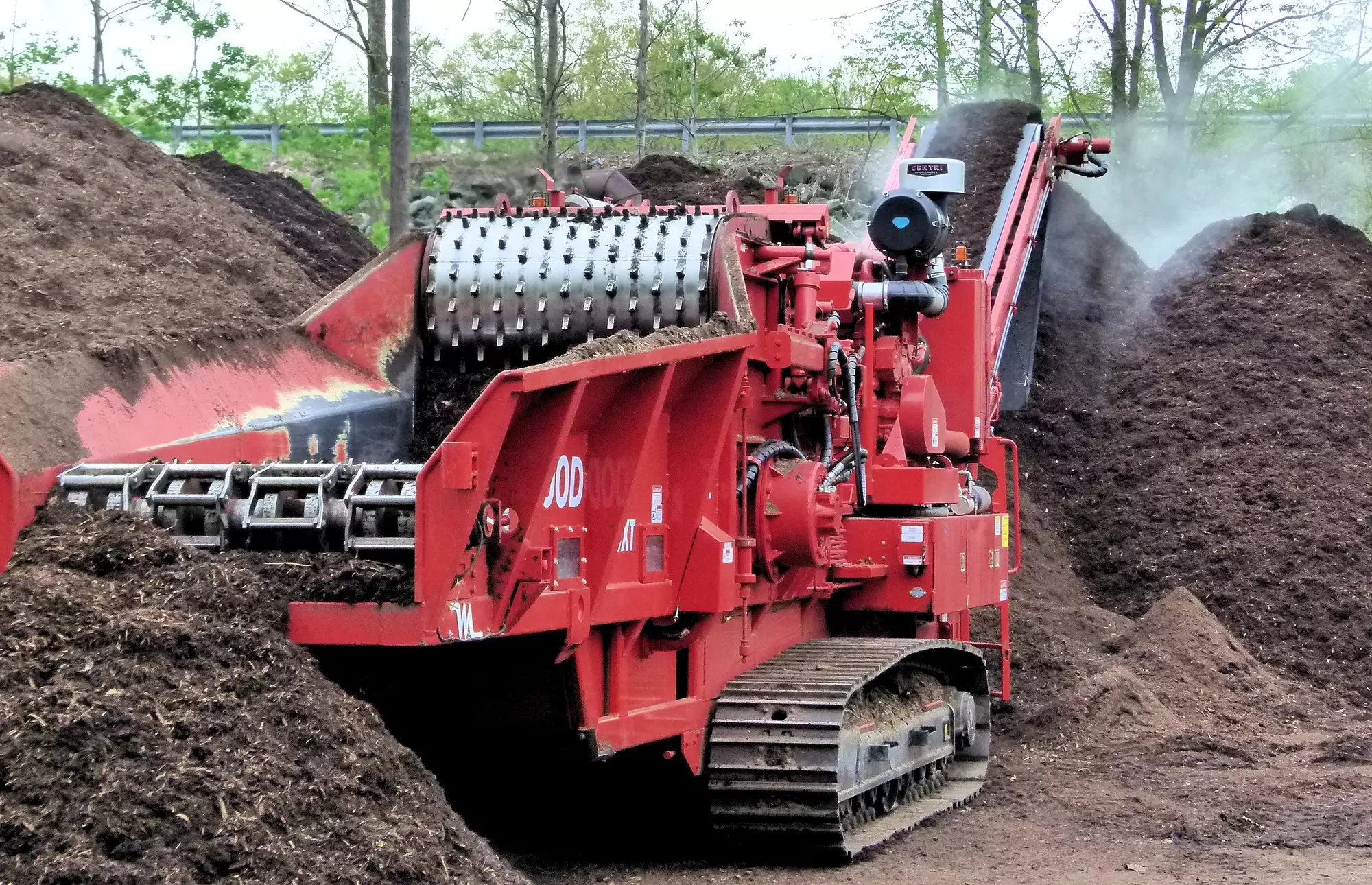

Buying earthmoving gear outright ties up capital you could use elsewhere in your business.
Whether you're running civil works around Port Macquarie's expanding suburbs or clearing land along the mid-north coast, you've got several equipment finance structures to choose from. Each one affects your cashflow and tax position differently, and picking the wrong one can cost you thousands over the life of the loan.
Chattel Mortgage: Own It From Day One
A chattel mortgage lets you own the equipment from the start while spreading payments over one to seven years. You borrow the full purchase price, make fixed monthly repayments, and claim the full GST upfront if you're registered. The equipment itself acts as collateral for the loan.
Consider a concreting business picking up a $180,000 excavator for subdivision work near Thrumster. With a chattel mortgage, they claim the GST back immediately, bringing the actual cost to $163,636 plus GST. They can depreciate the full purchase price and claim interest on their tax return each year. At the end of the term, there's no final payment because they already own it. Most operators choose this structure when they plan to keep the machinery until it's worn out.
Finance Lease: Keep Equipment Off Your Balance Sheet
A finance lease means the lender owns the equipment during the lease term, and you make regular payments to use it. At the end, you typically pay a residual amount to take ownership, upgrade to newer machinery, or refinance the remaining balance.
The main difference is how it sits on your books. The lease payments are fully tax-deductible as an operating expense. You can't claim depreciation because you don't own it yet, but you also don't have the asset sitting on your balance sheet affecting your borrowing capacity for other projects. Operators working on council contracts around Port Macquarie often prefer this when they're tendering for multiple jobs and want to preserve working capital for labour and materials.
Ready to get started?
Book a chat with an Asset Finance Broker at Treadgold Finance today.
Hire Purchase: Simpler Structure, Ownership at the End
Hire purchase sits somewhere between the other two. The lender buys the equipment, you make regular payments, and at the end of the term you own it outright with no balloon payment. You can claim depreciation and the interest portion of each payment, but not the principal.
This structure works when you want ownership without a large final payment. In our experience, operators who run tight margins prefer knowing exactly what they'll pay each month without a $30,000 or $40,000 residual hanging over them at the end. The trade-off is slightly higher monthly payments compared to a lease with a balloon.
Balloon Payments: Lower Repayments Now, Larger Bill Later
Most commercial equipment finance lets you defer part of the loan amount to the end of the term. That final amount is the balloon payment, typically between 20% and 40% of the original loan amount. It reduces your monthly outgoings, which helps when you're managing cashflow across multiple jobs.
A landscaping contractor financing a $220,000 grader might structure it with a 30% balloon. Instead of paying around $4,800 a month over five years, they'd pay closer to $3,600 with a $66,000 final payment. When that balloon comes due, they can pay it outright, refinance it, trade the machine in, or sell it privately. The risk is that if the equipment's resale value drops below the balloon amount, you're paying for depreciation you didn't account for.
Tax Benefits and Depreciation: Instant Asset Write-Off Limits
Depreciation lets you claim the decline in value of your equipment against your taxable income each year. Earthmoving machinery typically depreciates over five to ten years depending on how hard you work it. The instant asset write-off threshold changes regularly, so you'll need to check current rules, but it only applies to smaller purchases.
For anything above that threshold, you're claiming depreciation annually. If you're buying excavators, dozers, or graders, you're almost always over the limit. That makes structures like chattel mortgage or hire purchase more attractive because you can claim both depreciation and interest. The GST treatment also matters. With a chattel mortgage, you claim the full GST back when you lodge your next BAS. With a lease, you claim it as part of each payment.
Dealer Finance Versus Banks and Specialty Lenders
Vendor finance through the dealer can get you approved on the spot, but the interest rate is often higher than what you'd get through a broker accessing multiple lenders. Dealer finance works when speed matters more than cost, or when your financials don't tick all the boxes for a bank.
We regularly see operators in Port Macquarie who've been quoted 9% through the dealership when a specialty lender would offer 6.5% for the same truck or excavator. Over a five-year term on $200,000, that 2.5% difference adds up to around $26,000 in extra interest. The application might take an extra few days, but you're not locked into the first offer. Treadgold Finance can access asset finance options from banks and lenders across Australia, so you're comparing actual rates instead of guessing.
What Lenders Look at When You're Buying Earthmoving Gear
Lenders want to see that your business generates enough income to cover the repayments, usually with a margin of at least 20%. They'll ask for recent financials, tax returns, and a summary of your current debts. If you're buying specialised machinery like a 20-tonne excavator or a road grader, they'll also check whether there's a resale market if things go sideways.
Port Macquarie's construction activity has stayed solid thanks to residential subdivisions and infrastructure upgrades along the Pacific Highway corridor. That makes lenders more comfortable financing equipment in this region compared to areas where work is patchy. The equipment itself matters too. A late-model Caterpillar or Komatsu excavator holds value better than an off-brand machine, which affects your loan amount and interest rate.
Upgrading Existing Equipment: Trade-Ins and Refinancing
If you're replacing older machinery, the trade-in value can work as a deposit to reduce your loan amount. Some operators refinance the remaining balance on their current equipment and roll it into the new loan, but that only makes sense if the old machine still has decent equity.
Refinancing works when interest rates have dropped since your original loan, or when your business financials have improved enough to qualify for better terms. Switching from a dealer finance deal at 8.5% to a commercial rate around 6% saves real money, even after accounting for any discharge fees on the old loan. You can also refinance to access equity if the equipment has appreciated or if you've paid down a chunk of the principal.
Call one of our team or book an appointment at a time that works for you. We'll run through your equipment needs, compare finance options from multiple lenders, and get you numbers that make sense for your business.
Frequently Asked Questions
What's the difference between a chattel mortgage and a finance lease for earthmoving equipment?
A chattel mortgage means you own the equipment from day one and can claim depreciation plus interest, while a finance lease means the lender owns it during the term and you claim the full lease payment as an expense. Chattel mortgage suits operators who plan to keep the machinery long-term, while a lease keeps the asset off your balance sheet.
How does a balloon payment work on equipment finance?
A balloon payment defers part of the loan to the end of the term, reducing your monthly repayments. At the end, you can pay it outright, refinance it, or trade in the equipment. Balloons typically range from 20% to 40% of the original loan amount.
Can I claim GST back on earthmoving equipment if I finance it?
Yes, if you're GST registered. With a chattel mortgage, you claim the full GST back on your next BAS after purchase. With a finance lease, you claim the GST component as part of each lease payment over the term.
Should I use dealer finance or go through a broker for excavator or dozer finance?
Dealer finance can be faster but usually comes with higher interest rates. A broker like Treadgold Finance can compare rates from multiple lenders, often saving you thousands over the loan term. The application might take a few extra days, but you'll see real rate differences.
What do lenders look at when financing earthmoving equipment in Port Macquarie?
Lenders check that your business income covers repayments with a margin, review recent financials and tax returns, and assess the equipment's resale value. Port Macquarie's solid construction activity and your equipment type both affect approval and interest rates.